
Ag 99.99% 전기접점
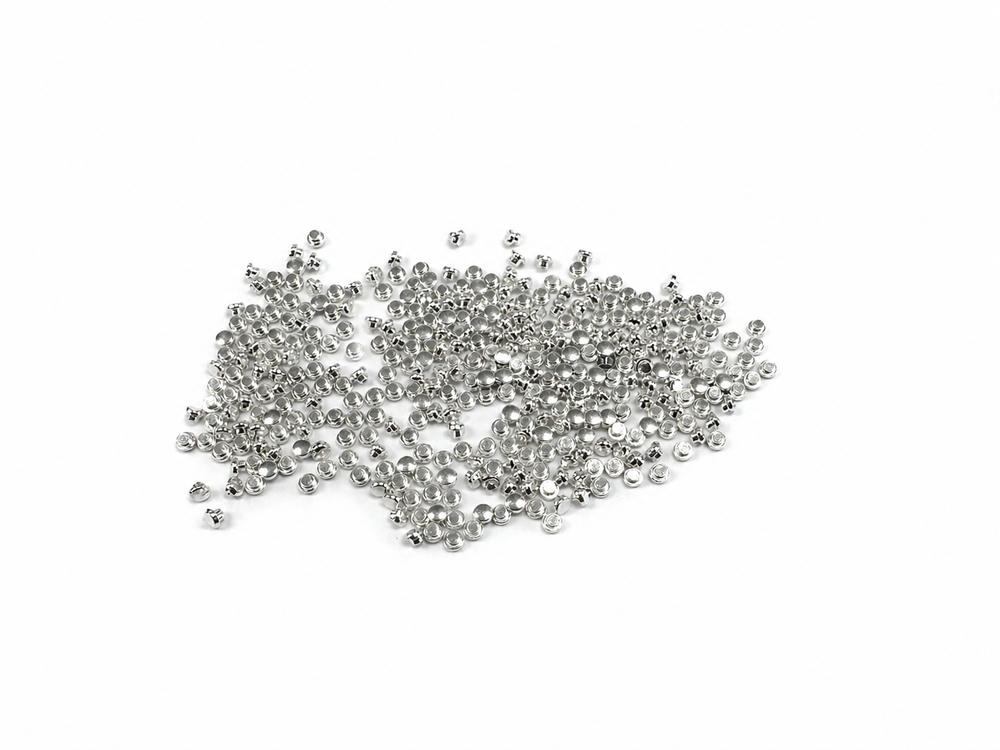
Ag 은 접점의 산업적 정의
전기접점 산업에서 통용되는 99.99% 순은(Ag 4N, Fine Silver)은 ASTM B742와 같은 국제 규격이 정의한 99.9% 이상의 파인실버 군 가운데서도 불순물의 합이 100ppm 이하로 관리된 최상위 등급에 해당합니다. 999.9 fineness로 표기되는 이 등급은 동·납·철·비스무트와 같은 미량 원소의 잔류량을 GD-MS 또는 ICP-MS 분석으로 ppm 단위까지 통제하며, 동일한 파인실버 군의 99.97% 등급과 비교해도 전기적·화학적 일관성에서 한 단계 위의 영역으로 분류됩니다. 결정구조는 면심입방격자(FCC), 격자상수 0.408621nm, 밀도 약 10.49g/cm³, 융점 약 961°C로, 이러한 기본 물성은 정련 단계의 순도 관리에 의해 이론값에 수렴하게 됩니다.
순은이 전기접점 재료의 기준점 역할을 해 온 본질적 이유는 모든 금속 가운데 가장 높은 전기전도율과 열전도율을 동시에 갖는다는 점에 있습니다. 동을 100%로 정의한 IACS 기준에서 순은의 전기전도율은 약 106% 수준이며, 일부 OCC 가공재에서는 107%까지 도달합니다. 비저항은 20°C에서 약 15.87nΩ·m로, 이는 같은 형상의 동·금·니켈 접점보다 더 낮은 발열량을 의미합니다. 이러한 기본 우위 때문에 순은은 단순한 소재가 아니라 전기 시스템의 신뢰성을 정의하는 기준점으로 자리잡고 있으며, 다른 모든 접점 재료의 성능은 순은 대비 몇 % 수준이라는 형태로 표현되는 것이 산업적 관행입니다.
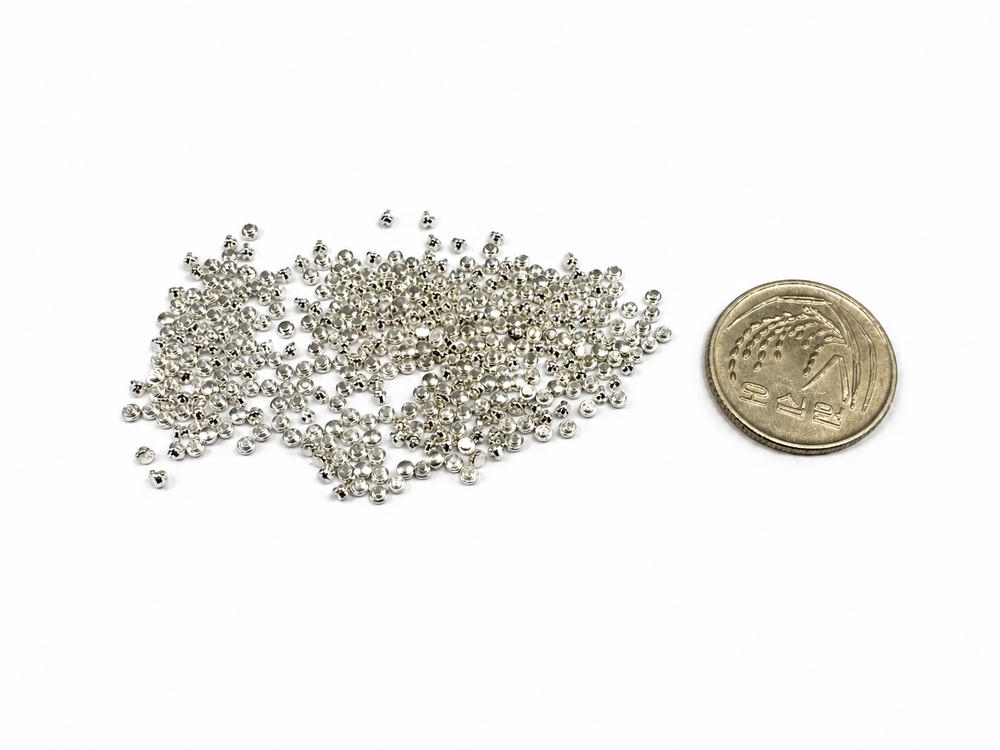
순은이 가지는 핵심 물성과 전기적 우월성
순은 접점이 가지는 가장 결정적인 특성은 극저 접촉저항(Ultra-low Contact Resistance)입니다. 접촉저항은 일반적으로 수축저항과 막저항의 합으로 표현되는데, 순은은 두 항목 모두에서 가장 유리한 거동을 보입니다. 어닐링 직후 경도 25~30HV의 연질 상태에서는 mN 단위의 약한 접촉력으로도 안정적인 금속 대 금속 접촉을 형성할 수 있고, 이는 정밀 릴레이와 계측기 스위치에서 결정적인 이점이 됩니다. 옴론을 비롯한 글로벌 릴레이 제조사가 일반용 은 접점에 5~50g, 정밀 귀금속 접점에 3~10g의 접촉압을 표준 사양으로 두는 것 역시 이러한 물리적 특성에 기반합니다.
또 다른 핵심 특성은 변색피막의 도전성입니다. 동의 산화피막이 절연성인 것과 달리, 은이 황화수소나 황산화물과 반응하여 형성하는 황화은(Ag₂S) 피막은 그 자체가 반도체적 특성을 지녀 일반적인 산업 환경에서 즉각적인 신뢰성 붕괴를 일으키지 않습니다. 다만 황화은 막이 약 150Å에서 연속막을 이루기 시작해 200Å에 도달하면 전기적 특성에 영향을 주기 시작하고, H₂S 농도 5ppb·상대습도 75% 이상의 환경에서는 약 2,000시간 이내에 접촉저항이 의미 있게 상승할 수 있습니다. 이러한 한계 때문에 와이핑(wiping) 동작이 가능한 접점 구조 설계가 사실상 표준이 되었습니다. 저온 영역에서의 거동 또한 매우 우수하여, 매티슨의 법칙에 따라 80K 이상에서는 불순물 영향이 최소화된 안정적인 비저항 거동을 보이며, 이는 극저온 계측 장비와 양자 컴퓨팅 인프라용 접점에서도 순은이 채택되는 이유입니다.
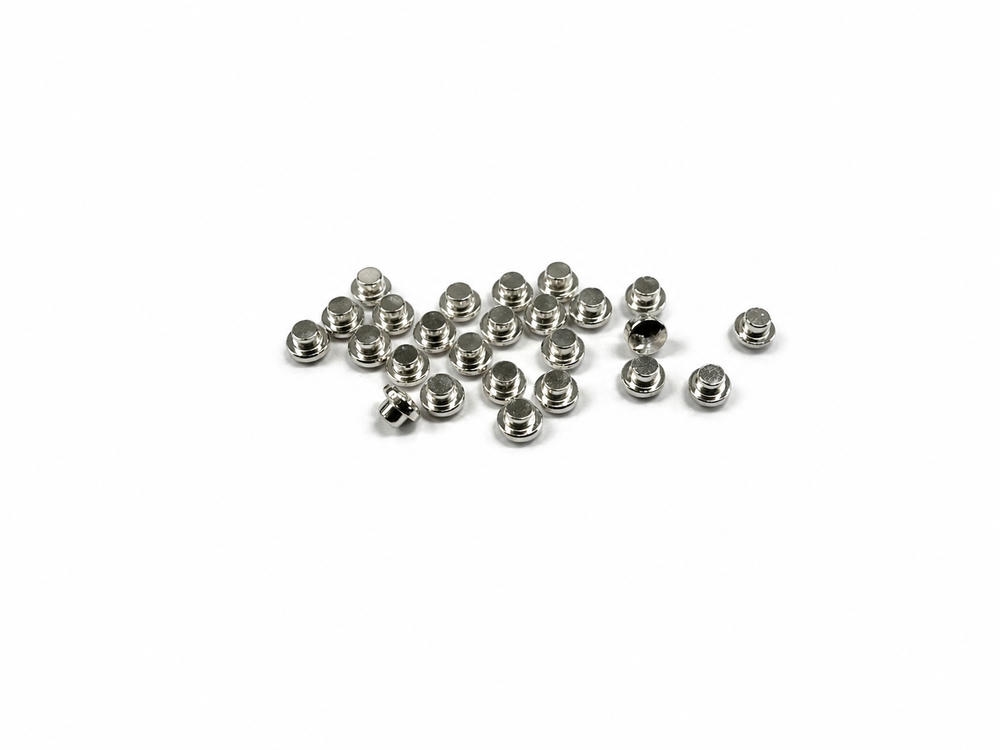
산업 전반의 활용 영역과 적용 사례
순은 접점은 저전류·고신뢰성 영역에서 광범위하게 사용됩니다. 통신용 시그널 릴레이, 의료기기 제어 릴레이, 계측·시험 장비의 마이크로스위치, 반도체 검사 프로브, 전력 모니터링 장치의 보조 접점이 대표적이며, 이들 응용에서는 수 mA 이하의 미소 전류에서도 mΩ 단위의 안정적 접촉저항이 요구됩니다. 자동차 산업에서는 ECU 내부 신호 릴레이, 에어백 트리거 회로, ABS 제어 신호 라인 등 단 한 번의 오동작도 허용되지 않는 안전 회로에 순은 또는 순은계 합금이 채택됩니다. 자동차 1대에는 평균 30~50개의 릴레이가 탑재되며, 이 중 신호·안전 관련 릴레이의 접점 재료가 차량 전자 시스템 전체의 결함률(PPM)을 결정합니다.
항공우주 분야에서는 미사일 신관, 위성 전원분배 보조회로, 항공기 비상정지 스위치와 같이 수개월에서 수년의 비작동 후 단 한 번의 정확한 동작이 보장되어야 하는 시스템(once-in-a-lifetime switching)에 활용되며, 이 경우 순은 베이스에 0.05~0.5μm 두께의 골드플래시(Au flash) 도금을 적용한 구조가 표준입니다. 의료기기 영역에서는 페이스메이커 외부 프로그래밍 장비, 제세동기 충전·방전 회로, 의료용 모니터링 시스템 내부의 신호 절환부에 사용되며, ISO 13485 체계 아래에서 99.99% 등급의 일관된 표면 화학적 안정성이 요구됩니다. 통신·데이터센터 영역의 RF 신호 절환 릴레이, 가전의 정밀 제어회로, 신재생에너지의 PV 인버터 보조 접점 등도 모두 신호 무결성이 중심이 되는 응용으로, 순은이 가지는 절대적 우위가 유지되는 영역입니다.
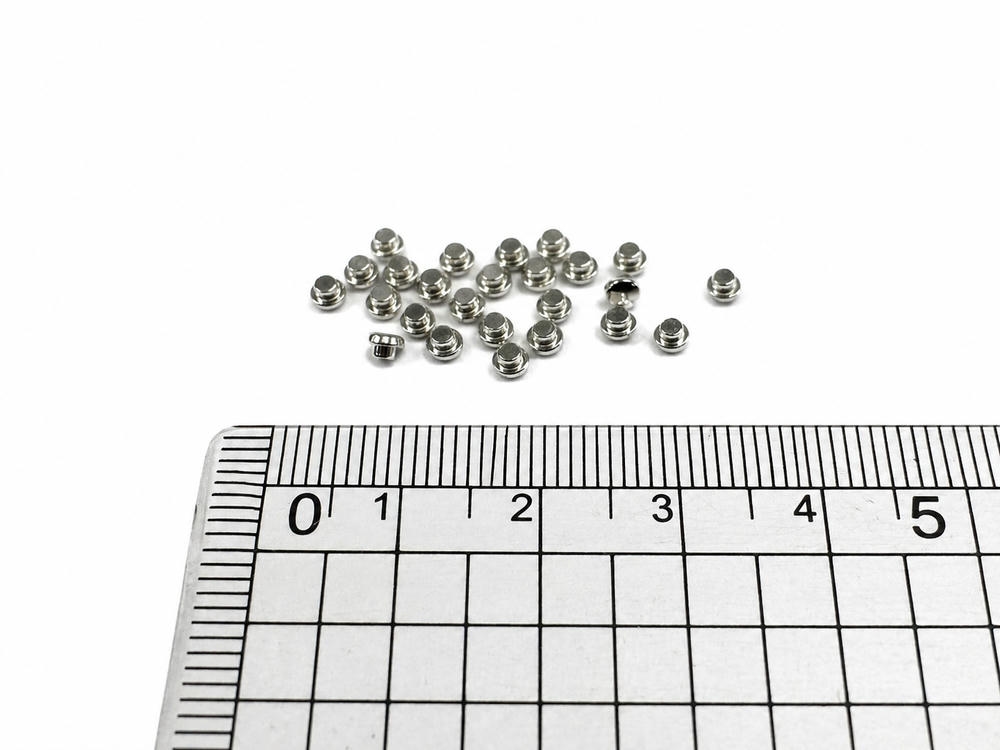
정격 전류·전압 사양과 운전 조건의 정량적 기준
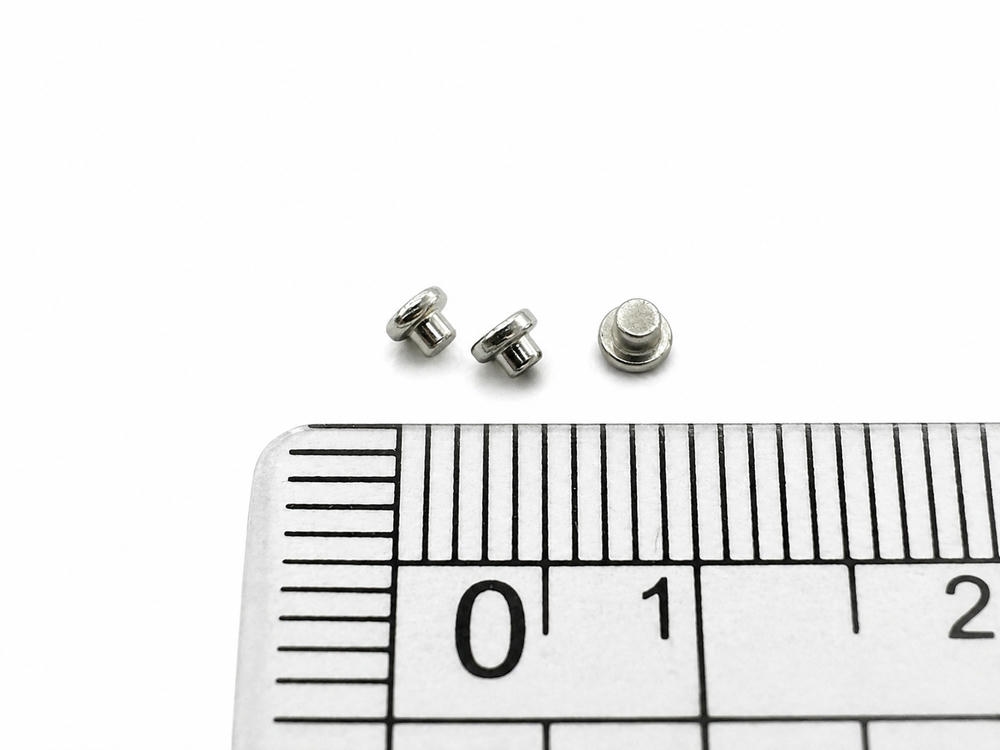
순은 접점의 사용 조건은 IEC 60947-4-1(저전압 개폐기 및 제어기기)과 IEC 61810(전기기계식 엘리멘터리 릴레이) 규격이 정의한 사용 카테고리 체계에 따라 결정됩니다. 저항성 부하의 AC-1, 정상 운전의 농형 유도전동기 부하의 AC-3, 가혹한 인칭·플러깅 조건의 AC-4, 백열등·캐패시터 부하의 카테고리 등에 따라 동일한 접점이라도 정격 전류는 크게 달라집니다. 일반적으로 순은 접점은 정격 전압 12V~440V AC, 정격 전류 0.01mA~30A 범위의 저·중부하 회로에 적용되며, 자동차 14V DC 릴레이에서는 20~30A 정격 전류와 직경 1.5~2.5mm의 리벳형 접점이 표준이고, 산업용 보조 접점에서는 직경 3~5mm·두께 0.3~1.2mm 솔리드 형태가 가장 널리 사용됩니다.
다만 반드시 짚어야 할 한계점은, 순은 단독으로는 고전류 차단 영역에서 아크 침식과 용착에 취약하다는 점입니다. 정격 차단 전류가 10A를 초과하거나 유도성 부하 차단 시 아크 에너지가 10J 수준을 넘는 영역에서는 AgNi, AgSnO₂, AgCdO, AgW와 같은 복합재료가 표준으로 채택됩니다. 따라서 순은의 운전 윈도우는 저전류 정밀 영역과 신호 안정성이 발열·아크보다 우선되는 영역으로 명확히 정의되며, 설계자는 부하 특성·조작 빈도·기대 수명을 종합적으로 고려하여 사용 카테고리를 선택해야 합니다.
| 항목 | 99.99% 순은(Ag 4N) | AgNi 0.15(미세립은) | AgCu3(하드실버) | AgSnO₂(고전류용) | AgCdO(전통고전류용) |
|---|---|---|---|---|---|
| 은 함량(wt%) | ≥ 99.99 | 99.85 | 97.0 | 88~92 | 85~90 |
| 비저항(μΩ·cm, 20°C) | 1.587 | 1.65 | 1.93 | 2.10~2.40 | 2.00~2.30 |
| 전기전도율(% IACS) | 106 | 102 | 89 | 70~80 | 75~85 |
| 어닐드 경도(HV) | 25~30 | 50~65 | 80~95 | 75~95 | 70~90 |
| 가공 후 경도(HV) | 60~80 | 95~120 | 130~160 | 130~170 | 130~165 |
| 융점(°C) | 961 | 960 | 779(공정) | 930(매트릭스) | 940(매트릭스) |
| 권장 어닐링 온도(°C) | 204~427 | 500~650 | 550~700 | 650~750 | 650~750 |
| 변색 저항성 | 양호(피막 도전성) | 양호 | 양호 | 매우 우수 | 매우 우수 |
| 아크 침식 저항성 | 낮음 | 중간 | 중간~높음 | 매우 높음 | 매우 높음 |
| 용착 저항성 | 낮음 | 중간 | 중간 | 매우 높음 | 매우 높음 |
| 정격 전류 범위 | 0.01mA~10A | 1A~25A | 5A~40A | 10A~100A 이상 | 10A~80A |
| 정격 전압 범위 | ≤ 250V AC | ≤ 440V AC | ≤ 690V AC | ≤ 690V AC | ≤ 690V AC |
| 대표 응용 | 시그널/의료/항공 | 일반 산업 릴레이 | 가전 스위치 | 컨택터/차단기 | EV 컨택터(점진 퇴출) |

신뢰성 열화 메커니즘: 아크 침식·용착·황화 변색
순은 접점의 신뢰성을 위협하는 대표적인 메커니즘은 아크 침식(Arc Erosion), 접점 용착(Contact Welding), 황화 변색(Sulfide Tarnishing)입니다. 아크 침식은 접점이 개리될 때 발생하는 전기 아크가 표면을 국부적으로 용융·증발시키는 현상으로, 아크 플라즈마 중심부 온도는 5,000~10,000°C에 달합니다. 순은은 융점이 961°C로 비교적 낮고 증기압이 높아 1A 이상의 유도성 부하 차단에서 수만 회 이내에 표면 거칠기가 빠르게 증가하는 경향을 보입니다. 이 때문에 고전류·고빈도 스위칭 환경에서는 동일 외형이라도 순은 단일재 대신 AgNi나 AgSnO₂ 복합재가 표준이 됩니다.
접점 용착은 통전 중 인터페이스에서 발생하는 줄(Joule)열 또는 아크열에 의해 양 접점 표면이 미세 용융·응고되어 분리 불가 상태에 이르는 현상입니다. 순은은 매트릭스 내 분산상이 없어 용융영역이 광범위하게 형성되며, 차량용 릴레이의 인러시 전류(in-rush current) 조건에서 특히 위험합니다. 이를 보완하기 위해 0.15wt% 수준의 니켈을 첨가한 미세립은(Fine-grain Silver, AgNi 0.15)이 개발되었는데, 결정립 미세화로 기계적 강도와 용착 저항을 동시에 개선하면서 전기전도율 손실을 4% 이내로 제한할 수 있습니다.
황화 변색은 산업 환경에서 누적되는 H₂S에 의해 황화은(Ag₂S) 막이 형성되는 과정으로, 도시·산업 지역의 H₂S 농도는 일반적으로 0.02~5.0ppb 범위에 분포합니다. 5ppb 농도와 75% 이상의 상대습도 조건이 결합되면 약 2,000시간(약 83일) 안에 200Å 이상의 막이 형성되어 접촉저항이 mΩ에서 Ω 단위로 상승할 수 있고, 특히 저접촉력·저전압 회로에서는 신호 단절을 유발할 수 있습니다. 또한 DC 전압이 장시간 인가되는 조건에서는 은 마이그레이션(Silver Migration)이 발생하여 절연 사이를 가로질러 은 결정이 성장하는 현상이 보고되며, 이는 단락과 절연 열화로 이어지므로 PCB 패턴 설계와 봉지 구조 설계에서 별도 관리가 필요합니다.
신뢰성이 요구되는 핵심 운전 조건과 설계 기준
순은 접점이 요구되는 신뢰성 조건은 크게 네 축으로 정리됩니다. 첫째, 저접촉력 안정성으로 10mN 이하의 접촉력에서도 100mΩ 미만의 안정적 접촉저항을 유지해야 하는 조건이며, 미세 릴레이와 시험장비 프로브 카드에서 결정적입니다. 둘째, 저전압 신호 무결성으로, 50mV 이하 회로에서도 변색피막에 의한 신호 왜곡이 없어야 합니다. 통상 9V 이상의 회로에서는 막 펀치스루(film punch-through)가 가능해 변색이 무력화되지만, 5V 이하 정밀 신호 회로에서는 표면 막의 두께 자체가 신뢰성을 결정합니다.
셋째, 장기 휴지 후 동작 보장입니다. 수개월에서 수년의 비작동 후에도 첫 동작에서 즉시 정상 도통을 형성해야 하는 조건으로, 항공기 비상장비, 원자력 안전계통, 군용 시스템에서 절대적입니다. 이 영역에서는 순은 표면에 0.05~0.5μm 두께의 골드플래시 도금을 적용한 구조가 사실상 표준이며, 금층은 변색을 차단하고, 와이핑에 의해 마모된 후 노출되는 순은이 안정적 도통을 형성하도록 설계됩니다. 넷째, 환경 내성으로 -55°C~+125°C 온도 사이클, 95%RH 이상 고습, 염수분무, H₂S 1~3ppm 가속시험 등 가혹 조건에서의 성능 유지 능력이며, MIL-STD-202, MIL-STD-810, ASTM B845와 같은 시험 규격으로 검증됩니다. 양산 단계에서는 동일 로트 내 접촉저항의 표준편차가 평균값의 10% 이내로 유지되는 것이 신뢰성 등급의 분기점이며, 의료·항공우주 등급에서는 Cpk 1.67 이상의 통계적 공정관리가 요구됩니다.
차세대 응용 신소재 동향 산업적 함의
순은 접점 산업은 EV 고전압 직류(HVDC) 회로, ESS, 데이터센터 전원분배, 5G/6G 통신, 의료용 웨어러블 등 신산업 영역에서 새로운 도전과 기회를 동시에 맞이하고 있습니다. 특히 EV에서는 400V~800V DC 환경에서의 접점 동작이라는 새로운 과제가 등장했으며, 직류 아크 차단의 어려움 때문에 순은 베이스에 SnO₂·In₂O₃·WC 등의 분산상을 첨가한 복합재료 개발이 활발합니다. 나노 결정립 순은(Nano-grain Ag), 분산강화 순은(Dispersion-strengthened Ag), 그래핀-은 복합재와 같은 신소재 연구가 학계와 산업계에서 동시에 진행되며, 적층제조(AM)·전기영동증착(EPD)·박막 코팅 기술과의 결합을 통해 마이크로 스케일 정밀 접점 어셈블리의 가능성이 열리고 있습니다.
장기 관점에서 99.99% 순은 접점은 단순한 소재가 아니라 전기 시스템 신뢰성의 절대 기준점으로 작동합니다. 산업이 더욱 정밀해지고 안전 요구가 강화될수록, 신호 무결성·장기 휴지 후 동작 보장·저접촉력 안정성을 동시에 만족시킬 수 있는 재료의 가치는 오히려 확장됩니다. 99.99%라는 숫자가 가지는 의미는 단순한 순도의 한 자리에 그치지 않고, 단 한 번의 동작 실패도 허용하지 않는 시스템 철학과 맞닿아 있습니다.
Ag 99.99% Electrical Contacts
Industrial Definition of Ag in Electrical Contacts
In the electrical contact industry, 99.99% pure silver, also known as Ag 4N or fine silver, is regarded as the highest-grade material among the fine silver category defined by international standards such as ASTM B742, which specifies silver purity of 99.9% or higher. This grade, expressed as 999.9 fineness, is controlled so that the total amount of impurities remains below 100 ppm. Trace elements such as copper, lead, iron, and bismuth are controlled down to the ppm level through GD-MS or ICP-MS analysis.
Compared with the 99.97% grade within the same fine silver category, 99.99% Ag is classified one level higher in terms of electrical and chemical consistency. Its crystal structure is face-centered cubic, or FCC, with a lattice constant of 0.408621 nm, a density of approximately 10.49 g/cm³, and a melting point of approximately 961°C. These fundamental properties approach theoretical values through strict purity control during the refining process.
The essential reason pure silver has served as the benchmark material for electrical contacts is that it provides the highest electrical conductivity and thermal conductivity among all metals. Based on the IACS standard, where copper is defined as 100%, pure silver reaches approximately 106% electrical conductivity, and certain OCC-processed materials can reach up to 107%. Its resistivity at 20°C is approximately 15.87 nΩ·m, which means lower heat generation than copper, gold, or nickel contacts of the same geometry.
Because of this fundamental advantage, pure silver is not simply a material. It functions as a reference point for defining reliability in electrical systems, and the performance of other contact materials is commonly expressed as a percentage relative to pure silver.
Core Properties and Electrical Superiority of Pure Silver
The most decisive characteristic of pure silver contacts is ultra-low contact resistance. Contact resistance is generally expressed as the sum of constriction resistance and film resistance, and pure silver shows the most favorable behavior in both areas.
In its soft condition immediately after annealing, with a hardness of 25–30 HV, pure silver can form stable metal-to-metal contact even under weak contact forces in the mN range. This becomes a decisive advantage in precision relays and instrumentation switches. The reason global relay manufacturers, including Omron, specify contact pressure of 5–50 g for general silver contacts and 3–10 g for precision precious metal contacts is also based on these physical characteristics.
Another key property is the conductivity of tarnish films. Unlike copper oxide films, which are insulating, silver sulfide, or Ag₂S, formed when silver reacts with hydrogen sulfide or sulfur oxides has semiconductive characteristics. As a result, it does not immediately cause reliability failure in general industrial environments.
However, when the silver sulfide film begins to form a continuous layer at approximately 150 Å and reaches 200 Å, it starts to affect electrical characteristics. In environments with an H₂S concentration of 5 ppb and relative humidity of 75% or higher, contact resistance may rise significantly within approximately 2,000 hours. Because of this limitation, contact structures that enable wiping action have effectively become a standard design approach.
Pure silver also shows excellent behavior in low-temperature regions. According to Matthiessen’s rule, above 80 K, it maintains stable resistivity behavior with minimal impurity influence. This is one reason pure silver is also adopted for contacts used in cryogenic measurement equipment and quantum computing infrastructure.
Applications and Industrial Use Cases
Pure silver contacts are widely used in low-current, high-reliability applications. Typical examples include signal relays for telecommunications, control relays for medical devices, microswitches in measurement and testing equipment, semiconductor test probes, and auxiliary contacts in power monitoring devices. These applications require stable contact resistance in the mΩ range even at microcurrents of several mA or less.
In the automotive industry, pure silver or silver-based alloys are used in safety circuits where even a single malfunction cannot be tolerated, such as ECU signal relays, airbag trigger circuits, and ABS control signal lines. A typical vehicle contains approximately 30–50 relays, and the contact material used in signal and safety-related relays determines the defect rate, or PPM level, of the overall vehicle electronic system.
In the aerospace field, pure silver contacts are used in systems that must operate accurately after months or years of inactivity, such as missile fuzes, auxiliary power distribution circuits in satellites, and aircraft emergency stop switches. These are known as once-in-a-lifetime switching systems. In such applications, a structure using a pure silver base with a 0.05–0.5 μm gold flash coating is standard.
In the medical device field, pure silver contacts are used in external programming equipment for pacemakers, charging and discharging circuits for defibrillators, and signal switching sections inside medical monitoring systems. Under ISO 13485 systems, consistent surface chemical stability at the 99.99% grade is required.
RF signal switching relays in telecommunications and data centers, precision control circuits in home appliances, and auxiliary contacts in PV inverters for renewable energy are also applications where signal integrity is the central requirement. These are areas where the absolute advantage of pure silver remains highly relevant.
Quantitative Standards for Rated Current, Voltage, and Operating Conditions
The operating conditions of pure silver contacts are determined according to the utilization category systems defined by standards such as IEC 60947-4-1 for low-voltage switchgear and controlgear, and IEC 61810 for electromechanical elementary relays.
Even for the same contact, the rated current can vary significantly depending on the utilization category, such as AC-1 for resistive loads, AC-3 for normal operation of squirrel-cage induction motors, AC-4 for severe inching and plugging conditions, and categories for incandescent lamp or capacitor loads.
In general, pure silver contacts are used in low- to medium-load circuits with rated voltages ranging from 12 V to 440 V AC and rated currents ranging from 0.01 mA to 30 A. In automotive 14 V DC relays, a rated current of 20–30 A and rivet-type contacts with diameters of 1.5–2.5 mm are standard. In industrial auxiliary contacts, solid contacts with diameters of 3–5 mm and thicknesses of 0.3–1.2 mm are most widely used.
However, one important limitation must be clearly noted. Pure silver alone is vulnerable to arc erosion and contact welding in high-current interruption applications. When the rated breaking current exceeds 10 A, or when arc energy exceeds approximately 10 J during inductive load interruption, composite materials such as AgNi, AgSnO₂, AgCdO, and AgW are generally adopted as standard materials.
Therefore, the operating window of pure silver is clearly defined as low-current precision applications and areas where signal stability takes priority over heat generation and arc resistance. Designers must select the proper utilization category by comprehensively considering load characteristics, switching frequency, and expected service life.
| Item | 99.99% Pure Silver (Ag 4N) | AgNi 0.15 Fine-Grain Silver | AgCu3 Hard Silver | AgSnO₂ High-Current Use | AgCdO Traditional High-Current Use |
|---|---|---|---|---|---|
| Silver Content (wt%) | ≥ 99.99 | 99.85 | 97.0 | 88–92 | 85–90 |
| Resistivity (μΩ·cm, 20°C) | 1.587 | 1.65 | 1.93 | 2.10–2.40 | 2.00–2.30 |
| Electrical Conductivity (% IACS) | 106 | 102 | 89 | 70–80 | 75–85 |
| Annealed Hardness (HV) | 25–30 | 50–65 | 80–95 | 75–95 | 70–90 |
| Hardness After Processing (HV) | 60–80 | 95–120 | 130–160 | 130–170 | 130–165 |
| Melting Point (°C) | 961 | 960 | 779 Eutectic | 930 Matrix | 940 Matrix |
| Recommended Annealing Temperature (°C) | 204–427 | 500–650 | 550–700 | 650–750 | 650–750 |
| Tarnish Resistance | Good, Conductive Film | Good | Good | Excellent | Excellent |
| Arc Erosion Resistance | Low | Medium | Medium to High | Very High | Very High |
| Welding Resistance | Low | Medium | Medium | Very High | Very High |
| Rated Current Range | 0.01 mA–10 A | 1 A–25 A | 5 A–40 A | 10 A–100 A or Higher | 10 A–80 A |
| Rated Voltage Range | ≤ 250 V AC | ≤ 440 V AC | ≤ 690 V AC | ≤ 690 V AC | ≤ 690 V AC |
| Typical Applications | Signal / Medical / Aerospace | General Industrial Relays | Home Appliance Switches | Contactors / Circuit Breakers | EV Contactors, Gradually Phased Out |
Reliability Degradation Mechanisms: Arc Erosion, Contact Welding, and Sulfide Tarnishing
The representative mechanisms that threaten the reliability of pure silver contacts are arc erosion, contact welding, and sulfide tarnishing.
Arc erosion is a phenomenon in which an electrical arc generated when the contacts open locally melts and vaporizes the surface. The temperature at the center of the arc plasma can reach 5,000–10,000°C. Because pure silver has a relatively low melting point of 961°C and high vapor pressure, its surface roughness tends to increase rapidly within tens of thousands of cycles when interrupting inductive loads of 1 A or higher. For this reason, in high-current and high-frequency switching environments, AgNi or AgSnO₂ composite materials are used as standard materials instead of single-phase pure silver, even when the external shape is identical.
Contact welding occurs when Joule heat or arc heat generated at the interface during current flow causes microscopic melting and resolidification of both contact surfaces, resulting in a state where the contacts cannot be separated. Since pure silver has no dispersed phase within the matrix, the molten region can form over a relatively wide area. This is especially risky under in-rush current conditions in automotive relays.
To compensate for this limitation, fine-grain silver containing approximately 0.15 wt% nickel, known as AgNi 0.15, was developed. Through grain refinement, it improves mechanical strength and welding resistance while limiting the loss of electrical conductivity to within approximately 4%.
Sulfide tarnishing is the process in which silver sulfide, or Ag₂S, forms due to H₂S accumulated in industrial environments. In urban and industrial areas, H₂S concentrations generally range from 0.02 to 5.0 ppb. When a concentration of 5 ppb is combined with relative humidity of 75% or higher, a film thicker than 200 Å can form within approximately 2,000 hours, or about 83 days. This can increase contact resistance from the mΩ range to the Ω range and may cause signal interruption, especially in low-contact-force and low-voltage circuits.
In addition, when DC voltage is applied for a long period, silver migration can occur. This is a phenomenon in which silver crystals grow across insulating gaps, leading to short circuits and insulation degradation. Therefore, it must be managed separately in PCB pattern design and encapsulation structure design.
Key Operating Conditions and Design Criteria for High Reliability
The reliability conditions required for pure silver contacts can be divided into four major areas.
First is low-contact-force stability. This refers to the ability to maintain stable contact resistance below 100 mΩ even under contact forces of 10 mN or less. This is critical for micro relays and probe cards used in test equipment.
Second is low-voltage signal integrity. Signal distortion caused by tarnish films must not occur even in circuits below 50 mV. In general, circuits of 9 V or higher can achieve film punch-through, which neutralizes the effect of tarnishing. However, in precision signal circuits of 5 V or lower, the thickness of the surface film itself determines reliability.
Third is guaranteed operation after long-term inactivity. This refers to the condition in which normal conduction must be formed immediately on the first operation after months or years of non-operation. It is essential in aircraft emergency equipment, nuclear safety systems, and military systems.
In this area, a structure using a 0.05–0.5 μm gold flash coating on the surface of pure silver is effectively standard. The gold layer blocks tarnishing, and after it is worn away by wiping, the exposed pure silver is designed to form stable electrical conduction.
Fourth is environmental resistance. This refers to the ability to maintain performance under severe conditions such as temperature cycling from -55°C to +125°C, high humidity of 95% RH or higher, salt spray, and accelerated H₂S testing at 1–3 ppm. These conditions are verified through test standards such as MIL-STD-202, MIL-STD-810, and ASTM B845.
In mass production, maintaining the standard deviation of contact resistance within the same lot to within 10% of the average value is a key dividing point for reliability grade. For medical and aerospace grades, statistical process control with a Cpk of 1.67 or higher is required.
Next-Generation Material Trends and Industrial Implications
The pure silver contact industry is facing both new challenges and new opportunities in emerging sectors such as EV high-voltage direct current circuits, ESS, data center power distribution, 5G and 6G communications, and medical wearables.
In particular, EVs have introduced the new challenge of contact operation in 400 V to 800 V DC environments. Because DC arc interruption is difficult, active development is underway for composite materials based on pure silver with dispersed phases such as SnO₂, In₂O₃, and WC.
Research into new materials such as nano-grain silver, dispersion-strengthened silver, and graphene-silver composites is being conducted in both academia and industry. When combined with additive manufacturing, electrophoretic deposition, and thin-film coating technologies, these materials open new possibilities for micro-scale precision contact assemblies.
From a long-term perspective, 99.99% pure silver contacts are not simply a material. They function as an absolute benchmark for electrical system reliability. As industries become more precise and safety requirements become stricter, the value of materials that can simultaneously satisfy signal integrity, guaranteed operation after long-term inactivity, and low-contact-force stability will continue to expand.
The meaning of 99.99% is not limited to a single digit of purity. It is directly connected to a system philosophy in which even one operational failure cannot be tolerated.
추가 정보
Ag 99.99% 전기접점 요약
Ag 99.99% 전기접점은 고순도 순은의 낮은 접촉저항과 높은 전기전도율을 활용하는 정밀 접점 소재입니다. 전기 신호 안정성, 장기 휴지 후 동작 신뢰성, 저접촉력 조건이 중요한 릴레이, 의료기기, 항공우주, 계측 장비 분야에서 검토되는 소재군입니다.
순은은 높은 전도성을 갖지만 고전류 차단 환경에서는 아크 침식과 용착에 취약할 수 있으므로, 실제 적용 시에는 부하 조건, 표면처리, 접촉 압력, 조립 구조를 함께 검토하는 것이 중요합니다.
핵심 포인트 정리
- 99.99% 순은은 Ag 4N 또는 fine silver로 분류되며, 불순물 관리 수준이 전기적 일관성에 직접적인 영향을 줄 수 있습니다.
- 순은 접점의 핵심 장점은 극저 접촉저항과 높은 전기전도율입니다.
- 저전류 신호 회로, 정밀 릴레이, 계측 장비, 의료기기, 항공우주 부품에서는 접점 재료의 표면 안정성이 중요합니다.
- 은 표면의 황화피막은 완전 절연층은 아니지만, 두께와 환경 조건에 따라 접촉저항 증가 요인이 될 수 있습니다.
- 고전류, 유도성 부하, 반복 개폐 조건에서는 AgNi, AgSnO₂, AgW 등 복합 접점 소재와 비교 검토가 필요합니다.
- 도금, 골드플래시, 와이핑 구조, 접촉 압력은 장기 신뢰성 설계에서 함께 확인해야 할 요소입니다.
- 전기접점 부품은 소재 순도뿐 아니라 리벳 형상, 접합 방식, 표면 거칠기, 조립 위치 정밀도까지 종합적으로 관리해야 합니다.
- 양산 전에는 전류, 전압, 온습도, H₂S 환경, 개폐 수명 조건을 기준으로 시제품 평가 데이터를 확보하는 것이 좋습니다.
자주 묻는 질문
Ag 99.99% 전기접점은 어떤 용도에 적합한가요?
Ag 99.99% 전기접점은 낮은 접촉저항과 안정적인 신호 전달이 필요한 저전류 회로에 적합합니다. 통신용 릴레이, 의료기기 제어부, 계측 장비, 항공우주 보조 회로처럼 오동작 허용 범위가 낮은 분야에서 검토될 수 있습니다.
99.99% 순은 접점과 일반 은 접점은 무엇이 다른가요?
99.99% 순은 접점은 불순물 함량을 더 낮게 관리한 고순도 소재입니다. 일반 은 접점보다 전기적·화학적 일관성을 확보하기 유리하지만, 실제 성능은 접점 형상, 표면처리, 접촉 압력, 사용 환경에 따라 달라질 수 있습니다.
순은 전기접점은 고전류 회로에도 사용할 수 있나요?
순은은 전도성이 높지만 고전류 차단 조건에서는 아크 침식과 접점 용착이 문제가 될 수 있습니다. 유도성 부하, 인러시 전류, 반복 개폐가 큰 회로에서는 AgNi, AgSnO₂, AgW 같은 복합 접점 소재와 함께 검토하는 것이 일반적입니다.
은 접점의 변색은 전기적 문제로 바로 이어지나요?
은 표면에 형성되는 황화은 피막은 구리 산화막처럼 완전한 절연층으로만 작용하지는 않습니다. 다만 피막이 두꺼워지거나 저전압·저접촉력 조건이 겹치면 접촉저항이 증가할 수 있으므로 사용 환경과 접점 구조를 함께 검토해야 합니다.
전기접점에서 골드플래시 도금은 왜 적용하나요?
골드플래시 도금은 장기 보관이나 장기 휴지 상태에서 표면 변색을 줄이기 위해 적용됩니다. 특히 첫 동작 신뢰성이 중요한 항공우주, 의료기기, 안전 회로에서는 순은 베이스와 얇은 금 도금층을 함께 검토할 수 있습니다.
AgNi와 AgSnO₂는 순은 접점과 어떻게 구분되나요?
AgNi는 순은보다 기계적 강도와 용착 저항을 높이기 위해 니켈을 첨가한 소재이며, AgSnO₂는 고전류 개폐와 아크 저항성을 고려한 복합 접점 소재입니다. 순은은 신호 안정성에 강점이 있고, 복합 소재는 고부하 개폐 조건에서 비교 검토됩니다.
전기접점 부품을 설계할 때 어떤 정보를 먼저 확인해야 하나요?
정격 전류, 정격 전압, 부하 종류, 접촉 압력, 개폐 빈도, 기대 수명, 사용 온습도, 표면처리 조건을 먼저 확인하는 것이 좋습니다. 이후 접점 형상, 리벳 구조, 접합 방식, 조립 공차를 함께 검토하면 소재 선택의 기준을 명확히 할 수 있습니다.
전기접점과 브레이징 공정은 어떤 관련이 있나요?
전기접점은 베이스 금속, 리벳, 단자, 도전 부품과 결합되는 경우가 많아 접합 공정의 안정성이 중요합니다. 브레이징과 금속접합소재는 이종금속 접합, 전류 전달 경로, 열 영향, 접합 강도를 함께 검토할 때 중요한 비교 요소가 됩니다.
관련 주제 확장
고순도 순은과 접촉저항 관리
고순도 순은은 금속 자체의 전도성이 매우 높기 때문에 저전류 신호 회로에서 유리한 특성을 가집니다. 그러나 실제 접촉저항은 소재 순도만으로 결정되지 않고 표면 거칠기, 산화·황화 피막, 접촉 압력, 와이핑 유무에 따라 달라집니다. 따라서 Ag 99.99% 전기접점을 검토할 때는 재료 사양과 실제 접점 구조를 함께 확인해야 합니다.
저전류 신호용 접점과 고전류 개폐용 접점
저전류 신호용 접점은 안정적인 도통과 낮은 접촉저항이 핵심입니다. 반면 고전류 개폐용 접점은 아크 침식, 용착, 열변형, 접점 소모가 더 중요한 판단 기준이 됩니다. 순은, AgNi, AgSnO₂, AgW 등은 동일한 은계 소재군이라도 적용 목적과 부하 조건에 따라 선택 기준이 달라집니다.
전기접점 부품과 정밀 금속가공
전기접점 부품은 소재 선택과 함께 가공 정밀도가 중요한 부품군입니다. 리벳형 접점, 단자, 스프링 구조, 접촉면 형상은 CNC 정밀가공, 프레스가공, 금속접합 공정과 연결될 수 있습니다. 접촉면의 버, 평탄도, 도금층 두께, 조립 위치는 통전 안정성과 반복 품질에 영향을 줄 수 있습니다.
자동차, 의료기기, 항공우주 분야의 신뢰성 기준
자동차 안전 회로, 의료기기 제어부, 항공우주 보조 회로는 장시간 안정성과 첫 동작 신뢰성이 중요합니다. 이러한 분야에서는 접점 소재의 전기적 특성뿐 아니라 장기 보관, 습도, 황화 환경, 진동, 온도 변화 조건까지 함께 고려해야 합니다. 설계 단계에서 사용 환경을 구체화하면 접점 소재와 표면처리 기준을 더 명확하게 정리할 수 있습니다.
관련 내부 자료
정밀 금속부품과 제조 공정 전반의 기술 자료는 ID METAL 인사이트에서 함께 확인할 수 있습니다.
순은 접점, 은계 복합 접점, 접촉 안정성 관련 정보는 전기접점 제품 정보와 함께 검토할 수 있습니다.
도면 기반 절삭가공, 정밀 형상 구현, 후가공 조건을 비교해야 한다면 CNC 정밀가공부품 자료가 참고 기준이 될 수 있습니다.
리벳, 체결 구조, 조립 안정성과 관련된 부품은 구조연결용 부품 정보를 함께 살펴볼 수 있습니다.
박판 금속부품, 반복 생산, 금형 기반 양산성을 검토하는 경우에는 정밀프레스가공 부품 항목을 비교 자료로 활용할 수 있습니다.
전장 부품과 접점 부품이 배선 구조와 함께 사용되는 경우에는 케이블와이어 하네스 조건도 함께 확인하는 것이 좋습니다.
이종금속 접합, 도전성 접합, 열 영향 조건을 검토해야 한다면 브레이징 및 금속접합소재 자료가 접합 방식 선정에 도움이 될 수 있습니다.
관련 키워드
아래 키워드는 Ag 99.99% 전기접점과 함께 검색 의도 확장에 활용할 수 있는 제조업 관련 표현입니다.