
고주파 유도 가열 브레이징
서론: 브레이징의 개념과 고주파 유도 가열의 역할
브레이징(brazing)은 금속 재료를 접합하는 비융합형 용접 공정으로, 모재(base metal)의 용융점을 초과하지 않으면서 용가재(filler metal)를 용융시켜 모재 표면에 확산 및 모세관 현상을 통해 접합하는 기술이다.
브레이징은 용가재의 용융 온도가 450°C 이상(840°F)으로, 솔더링(soldering)과 구분되며, 용접(welding)과 달리 모재가 용융되지 않아 열 영향부(heat-affected zone, HAZ)가 최소화된다.
이 공정은 고강도 접합이 요구되면서도 모재의 기계적·화학적 특성을 보존해야 하는 응용 분야에서 필수적이다.
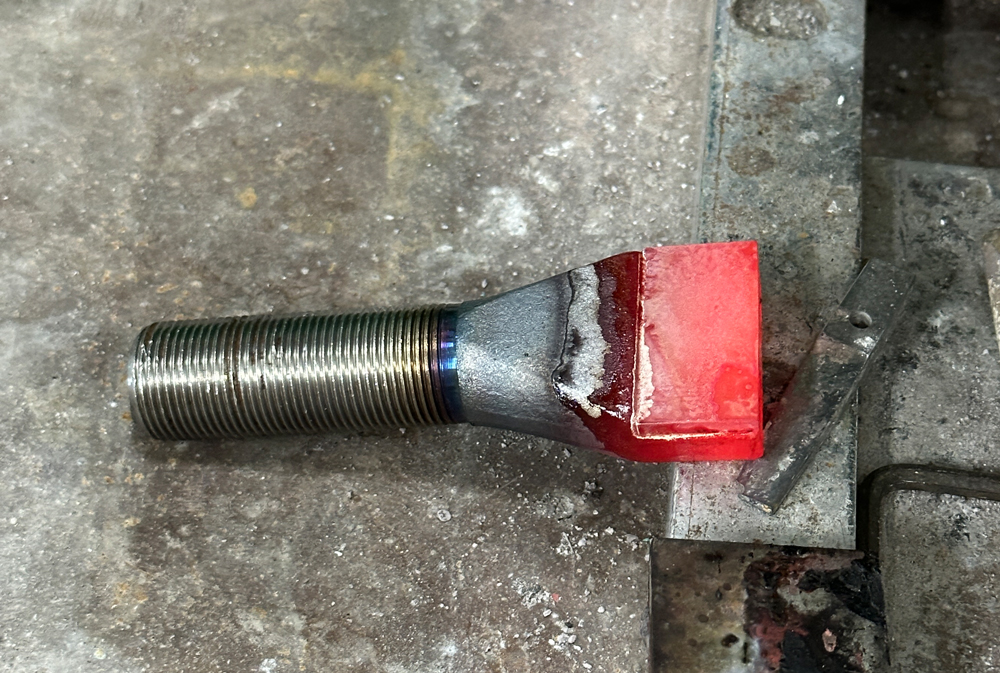
특히, 고주파(high-frequency) 유도 가열(induction heating)을 활용한 브레이징은 모재를 교류 전자기장(alternating electromagnetic field) 내에 배치하여 와전류(eddy current)와 히스테리시스 손실(hysteresis loss)을 통해 국소적으로 급속 가열하는 방식으로, 전통적인 토치(torch)나 용광로(furnace) 브레이징의 한계를 극복한다.
고주파 유도 브레이징은 주파수 범위가 30~500 kHz로, 표면 가열이 우수하여 얇은 모재나 복잡 형상에서 효율적이며, 생산성 향상과 에너지 절감 측면에서 산업적으로 광범위하게 채택되고 있다.
브레이징의 기본 원리와 분류
브레이징의 핵심은 용가재의 용융 및 모세관 흐름(capillary flow)으로, 접합부 클리어런스(joint clearance)가 0.025~0.15 mm 범위에서 최적화되어야 한다.
용가재는 모재 용융점의 70~95% 수준(보통 600~1200°C)에서 액화되며, 플럭스(flux)를 통해 산화막을 제거하고 습윤성(wettability)을 향상시킨다.
브레이징은 열원에 따라 토치, 용광로, 저항, 딥(dip), 진공(vacuum), 유도(induction) 등으로 분류되며, 유도 브레이징은 국소 가열(localized heating)로 HAZ를 1~2 mm 이내로 제한하여 왜곡(distortion)을 최소화한다.
| 브레이징 유형 | 열원 | 온도 범위 (°C) | 주요 장점 | 주요 단점 |
|---|---|---|---|---|
| 토치 브레이징 | 가스 플레임 | 600~1100 | 저비용, 휴대성 | 불균일 가열, 산화 위험 |
| 용광로 브레이징 | 전기/가스 | 500~1200 | 균일 가열 | 전체 가열로 왜곡 발생 |
| 유도 브레이징 | 고주파 전자기 | 600~1000 | 급속·국소 가열, 자동화 용이 | 코일 설계 복잡 |
| 저항 브레이징 | 전류 저항 | 700~900 | 간단한 장비 | 전극 마모 |
유도 브레이징은 특히 고주파(>100 kHz)에서 스킨 효과(skin effect)로 표면 가열 깊이가
δ = 503 / √(f · μ · ρ) (f: 주파수, μ: 투자율, ρ: 비저항)로 계산되며, 얇은 모재(두께 <5 mm)에서 효율적이다.
고주파 유도 가열의 물리적·금속학적 원리
고주파 유도 가열은 패러데이의 전자기 유도 법칙(Faraday’s law)에 기반한다.
고주파 교류 전원(30~500 kHz, 1~100 kW)이 인덕터 코일(inductor coil)을 통해 1차 전자기장(primary magnetic field)을 생성하며, 이 장은 모재 내 2차 와전류(secondary eddy current)를 유도하여 주울 열(Joule heating, I²R 손실)과 히스테리시스 손실(자기 도메인 재배향)을 발생시킨다.
비철금속(예: Cu, Al)에서는 주로 와전류 손실이 지배적이며, 철계 합금에서는 히스테리시스 손실이 추가되어 가열 효율(η ≈ 70~90%)을 높인다.
가열 속도는 dT/dt = (P · ρ) / (c · δ · A) (P: 입력 전력, c: 비열, A: 단면적)로 모델링되며, 고주파에서 δ가 작아 표면 경화(surface hardening)와 브레이징이 동시에 가능하다.
Rudnev et al.(2003)에 따르면, 코일-모재 간 결합 계수(coupling efficiency)는 코일 형상(헬리컬, 팬케이크)과 간격(1~5 mm)에 의존하며, 최적화 시 에너지 손실을 10% 미만으로 억제할 수 있다.
브레이징 과정에서 용가재는 모재 표면의 습윤각(θ < 30°)을 유지하며 모세관 내로 유입되고, 인터메탈릭 화합물(IMC) 형성(예: Cu-Ag 계면의 Cu₃Ag)이 접합 강도를 결정한다.
고주파 가열은 5~30초 내 급속 온도 상승으로 IMC 과성장(overgrowth)을 방지하나, 과도한 열 입력은 취성 상(brittle phase) 생성을 유발할 수 있다.
공정 매개변수와 최적화
고주파 유도 브레이징의 성공은 주파수(f), 전력(P), 코일 턴 수(N), 가열 시간(t), 클리어런스(g) 등의 매개변수 최적화에 달려 있다.
Wu et al.(2020)의 연구에 따르면, f=353 kHz, I=550 A, N=3 턴, r=15 mm 조건에서 용가재 직경 1.6 mm의 브레이징이 최적화되어 전단 강도 366 MPa를 달성하였다.
주파수(f): 고주파(>100 kHz)는 표면 가열에 적합, 저주파(5~30 kHz)는 깊이 가열에 유리
전력(P) 및 시간(t): 10~15초 내 620°C 도달 (EASYHEAT 시스템 기준)
코일 설계: 다중 턴 헬리컬 코일로 균일 가열
플럭스 및 분위기: 자속(self-fluxing) Ag-Cu 합금 사용, 보호 분위기(Ar, N₂) 적용
유한 요소 해석(FEM)을 통한 열-응력 연성 해석으로 IMC 두께 예측 및 열 입력 최적화가 가능하다.
은납 브레이징
은납(silver solder, Ag-based filler)은 Ag-Cu-Zn-Ni계 합금(예: BAg-8: Ag 72%, Cu 28%)으로,
620~780°C의 공융점(eutectic)에서 우수한 유동성과 내식성을 보인다.
Cd-free 합금(Ag-Cu-P)이 개발되어 환경적 안전성을 개선했다.
Ni 합금 브레이징 실험(Jiang et al., 2020)에서는 770°C, 30초 가열로 α-Cu 고용체 강화 효과로 366 MPa의 전단 강도를 얻었다.
은납은 비철·철계 이종 금속 접합에서 IMC 억제 효과가 뛰어나며, 항공·정밀 전자 부품에 폭넓게 사용된다.
다만, Ag 가격의 변동성으로 인해 Cu 기반 필러와의 하이브리드 합금 사용이 증가하고 있다.
용접과의 비교: 고주파 용접 vs. 브레이징
고주파 용접(high-frequency welding, HFW)은 모재를 직접 용융시키는 융합 공정으로, 파이프 등 구조용 금속에 사용된다.
반면, 브레이징은 모세관 확산 메커니즘으로 낮은 온도(600~1000°C)에서 진행되어 HAZ가 작고, 이종 금속 접합에 적합하다.
| 항목 | 고주파 용접 | 고주파 유도 브레이징 |
|---|---|---|
| 온도 | >1200°C (모재 용융) | 600~1000°C (용가재 용융) |
| 접합 메커니즘 | 융합 + 확산 | 모세관 + 습윤 |
| 강도 | 500~1000 MPa | 200~400 MPa |
| 적용 | 동종 금속, 구조물 | 이종 금속, 정밀 부품 |
| HAZ | 광범위 | 최소화 (1 mm 미만) |
응용 사례: 산업적 사례 연구
고주파 유도 브레이징은 자동차, 항공, 방산, 에너지 산업 등 다양한 분야에 적용된다.
수력 발전소: Cu 회로 링-탭 접합 (ECO LINE MF 100 kW 시스템, 10초 가열)
항공우주: Ni 합금 X-750 – TiC cermet 접합 (Ag-Cu-Zn foil, 전단 강도 240 MPa)
국내 산업: (주)광명고주파전기의 유도 가열 시스템을 통한 자동차 밸브 바디 브레이징 (생산성 2배 향상)
전기 스위치 기어: Ag-SnO₂-Cu 자속 브레이징으로 기공 감소 및 접촉 신뢰성 향상
Introduction: The Concept of Brazing and the Role of High-Frequency Induction Heating
Brazing is a non-fusion joining process used to bond metallic materials by melting a filler metal without melting the base metal. The filler metal diffuses and flows into the joint through capillary action.
According to the American Welding Society (AWS), brazing is defined as a process in which the filler metal melts above 450°C (840°F). It differs from soldering in temperature range and from welding in that the base material remains solid, minimizing the heat-affected zone (HAZ).
This process is essential in applications that require high-strength joints while preserving the mechanical and chemical properties of the base materials.
In particular, high-frequency induction brazing utilizes alternating electromagnetic fields to generate eddy currents and hysteresis losses, which heat the base metal locally and rapidly.
Unlike traditional torch or furnace brazing, induction brazing achieves efficient, localized heating and is highly suitable for thin materials and complex geometries.
With operating frequencies typically ranging from 30 to 500 kHz, this method enhances production efficiency and energy savings, leading to widespread industrial adoption.
Fundamentals and Classification of Brazing
The key principle of brazing lies in the melting and capillary flow of the filler metal.
An optimal joint clearance between 0.025–0.15 mm ensures effective capillary action.
The filler metal typically melts at 70–95% of the base metal’s melting point (600–1200°C).
Flux is used to remove oxides and enhance wettability during the process.
Depending on the heat source, brazing methods are categorized as torch, furnace, resistance, dip, vacuum, or induction brazing.
Among these, induction brazing offers localized heating with a heat-affected zone of less than 1–2 mm, minimizing thermal distortion.
| Brazing Type | Heat Source | Temperature Range (°C) | Main Advantages | Main Disadvantages |
|---|---|---|---|---|
| Torch Brazing | Gas Flame | 600–1100 | Low cost, portable | Non-uniform heating, oxidation risk |
| Furnace Brazing | Electric/Gas | 500–1200 | Uniform heating | Full-part heating may cause distortion |
| Induction Brazing | High-Frequency Electromagnetic | 600–1000 | Rapid, localized heating; easy automation | Complex coil design |
| Resistance Brazing | Electrical Resistance | 700–900 | Simple setup | Electrode wear |
Induction brazing is particularly effective at high frequencies (>100 kHz) due to the skin effect, where surface heating depth (δ) is expressed as:
δ = 503 / √(f · μ · ρ)
(f: frequency, μ: magnetic permeability, ρ: resistivity)
This makes it especially suitable for thin components (thickness < 5 mm).
Physical and Metallurgical Principles of High-Frequency Induction Heating
High-frequency induction heating is based on Faraday’s Law of Electromagnetic Induction.
An alternating current (30–500 kHz, 1–100 kW) flows through an inductor coil, generating a primary magnetic field that induces secondary eddy currents in the workpiece.
These currents produce Joule heating (I²R losses) and hysteresis losses due to magnetic domain realignment.
In non-ferrous metals such as copper and aluminum, eddy current losses dominate, whereas in ferrous alloys, hysteresis losses contribute to overall heating efficiency (typically 70–90%).
The heating rate can be modeled as:
dT/dt = (P · ρ) / (c · δ · A)
(P: input power, c: specific heat, A: cross-sectional area)
At higher frequencies, smaller skin depth (δ) allows for surface hardening and brazing in one operation.
According to Rudnev et al. (2003), coil-to-workpiece coupling efficiency depends on coil geometry (helical, pancake) and spacing (1–5 mm).
Optimized coupling minimizes energy loss to below 10%.
During brazing, filler metal maintains a wetting angle below 30°, promoting capillary flow and intermetallic compound (IMC) formation (e.g., Cu₃Ag at Cu-Ag interfaces).
Rapid heating within 5–30 seconds prevents IMC overgrowth, although excessive heat input may produce brittle phases.
Process Parameters and Optimization
The success of high-frequency induction brazing depends on optimizing parameters such as frequency (f), power (P), number of coil turns (N), heating time (t), and joint clearance (g).
Wu et al. (2020) reported that brazing with f = 353 kHz, I = 550 A, N = 3 turns, and r = 15 mm achieved an optimal droplet transfer for a 1.6 mm filler wire, resulting in a shear strength of 366 MPa.
Frequency (f): High frequency (>100 kHz) favors surface heating; low frequency (5–30 kHz) enables deeper penetration.
Power (P) & Time (t): Insufficient power causes incomplete bonding; excessive power leads to filler vaporization. Typical heating: 620°C within 10–15 seconds (EASYHEAT system).
Coil Design: Multi-turn helical coils provide uniform heating; smaller coil-to-workpiece gaps improve efficiency.
Flux & Atmosphere: Self-fluxing Ag-Cu alloys minimize oxidation; inert atmospheres (Ar, N₂) reduce porosity to <5%.
Finite Element Method (FEM) simulations are used to model thermal-stress coupling and predict IMC layer growth for process optimization.
Silver-Based Brazing
Silver solder (Ag-based filler) typically consists of Ag-Cu-Zn-Ni alloys (e.g., BAg-8: Ag 72%, Cu 28%) and has a eutectic temperature between 620–780°C, providing excellent flowability and corrosion resistance.
Cd-free compositions such as Ag-Cu-P have been developed for improved environmental safety.
In Ni alloy brazing (Jiang et al., 2020), heating at 770°C for 30 seconds achieved 366 MPa shear strength due to α-Cu solid solution strengthening.
Silver fillers effectively suppress IMC growth between dissimilar metals (e.g., Cu–stainless steel), making them indispensable for aerospace and precision electronics.
However, due to silver’s high and volatile cost, hybrid fillers combining Ag and Cu are increasingly adopted.
Comparison: High-Frequency Welding vs. Induction Brazing
High-frequency welding (HFW) primarily relies on resistive and inductive heating to melt and fuse the base metals, typically above 1200°C.
In contrast, brazing operates below the melting point of the base materials (600–1000°C), creating joints through capillary action and diffusion with minimal HAZ, making it ideal for dissimilar metal joining.
| Parameter | High-Frequency Welding | High-Frequency Induction Brazing |
|---|---|---|
| Temperature | >1200°C (Base metal fusion) | 600–1000°C (Filler melting) |
| Joining Mechanism | Fusion + Diffusion | Capillary Action + Wetting |
| Strength | 500–1000 MPa | 200–400 MPa |
| Application | Homogeneous metals, structures | Dissimilar metals, precision parts |
| HAZ | Wide | Minimal (<1 mm) |
Industrial Applications and Case Studies
High-frequency induction brazing is widely utilized across the automotive, aerospace, defense, and energy sectors.
Hydroelectric Power Plants: Cu circuit ring-tab joints brazed using ECO LINE MF 100 kW system (10-second heating), achieving leak-proof performance.
Aerospace: Ni alloy (X-750) to TiC cermet joints brazed using Ag-Cu-Zn foil, achieving 240 MPa shear strength (Zhang et al., 2020).
Domestic Industry: Gwangmyeong High Frequency Co., Ltd. applies induction systems for automotive valve body brazing, doubling productivity.
Electrical Switchgear: Ag-SnO₂-Cu self-fluxing brazing reduces porosity and enhances contact reliability.
추가 정보
검색엔진용 요약
고주파 유도 브레이징은 교류 전자기장으로 와전류 및 히스테리시스 손실을 발생시켜 모재를 국소적으로 급속 가열하고, 용가재가 모세관 흐름으로 접합부를 채우는 비융합 접합 공정입니다. 토치/용광로 브레이징 대비 열영향부(HAZ)와 변형을 줄이면서 자동화와 반복 재현성 확보에 유리하며, 얇은 모재 및 복잡 형상에 적합한 조건 설계가 중요합니다. 최종 품질은 필러메탈 조성뿐 아니라 주파수, 전력, 코일 설계, 접합 간극, 플럭스/분위기, 가열 시간의 조합으로 결정됩니다.
핵심 포인트
- 브레이징은 모재를 용융시키지 않고(비융합) 용가재만 용융시키며, 솔더링과 구분되는 온도 범위(450°C 이상)로 정의됩니다.
- 유도 브레이징은 코일-모재 결합과 스킨 효과에 의해 가열 깊이와 균일도가 달라지므로 주파수 선택이 핵심입니다.
- 접합 간극(joint clearance)은 모세관 유동을 좌우하며, 일반적으로 일정 범위에서 최적화가 필요합니다.
- 플럭스는 산화막 제거와 젖음성 개선에 관여하며, 모재(비철/철계)와 공정 분위기(Ar, N2 등)에 따라 선택이 달라집니다.
- 가열이 빠를수록 인터메탈릭(IMC) 과성장을 억제하는 방향으로 작동할 수 있으나, 과열은 취성상 형성 및 결함을 유발할 수 있습니다.
- 유도 브레이징은 자동화에 유리하지만, 코일 형상(헬리컬/팬케이크)과 간격 설계가 공정 성패에 직접 연결됩니다.
- 필러메탈은 은납(Ag 기반)부터 Cu 기반까지 다양하며, 용융 범위와 습윤성을 기준으로 적용성을 비교하는 방식이 실무적입니다.
- 품질 검증은 외관만으로 끝나기 어렵고, 누설/강도/단면/잔류 플럭스 등 목적에 맞는 검사 항목 구성이 중요합니다.
FAQ
핵심 차이는 열원입니다. 유도 브레이징은 전자기장으로 모재 내부에 와전류를 유도해 국소 가열하며, 토치나 용광로 대비 빠른 가열과 좁은 열영향부를 목표로 하는 경우가 많습니다. 이 특성은 얇은 부품, 복잡 형상, 반복 생산에서 공정 재현성 확보에 유리하게 작동할 수 있습니다.
모재의 용융을 피하고 싶은 경우, 이종 금속 접합이 필요한 경우, 열변형과 HAZ를 줄여야 하는 경우에 브레이징이 검토됩니다. 단, 요구 강도와 사용 온도, 환경 조건에 따라 용접이 더 적합한 경우도 있어 목표 성능 기준을 먼저 정리하는 편이 좋습니다.
브레이징은 용가재가 모세관 작용으로 간극에 유입되어 접합을 형성하므로, 간극이 너무 크거나 작으면 미충진, 기공, 강도 저하로 이어질 수 있습니다. 따라서 가공 공차와 조립 지그를 포함해 간극을 안정적으로 유지할 수 있는 설계가 공정 안정성에 직접 영향을 줍니다.
유도 가열은 스킨 효과로 인해 주파수가 높을수록 표면 가열이 강해지고 가열 깊이가 얕아지는 방향으로 작동합니다. 얇은 모재나 국소 가열이 필요한 경우 고주파가 유리할 수 있으나, 두꺼운 단면이나 깊이 가열이 필요하면 주파수 선택과 코일 설계를 함께 조정해야 합니다.
코일-모재 간격과 형상에 따라 가열 분포가 불균일해져 과열/미가열 영역이 생길 수 있습니다. 그 결과 용가재가 특정 방향으로만 흐르거나, IMC 과성장 및 산화가 증가하는 등 접합 품질 편차가 커질 수 있어 코일 설계를 공정의 일부로 봅니다.
산화막이 강한 모재에서는 플럭스가 젖음성과 유동성 확보에 도움이 되는 경우가 많습니다. 다만 보호 분위기(불활성 가스) 사용, 자속(self-fluxing) 계열 용가재 적용 등으로 플럭스 의존도를 낮추는 접근도 있어, 제품 요구 조건에 따라 선택이 달라집니다.
은 기반 필러는 유동성과 내식성, 다양한 이종 금속 접합에서의 적용성 때문에 널리 사용됩니다. 다만 은 가격 변동성과 규제(Cd 포함 여부 등) 이슈가 있을 수 있어, 용융 범위와 조성, 공정 조건을 함께 보고 비교하는 방식이 안전합니다.
대표적으로 미충진, 기공, 과열로 인한 취성상 증가, 플럭스 잔류물로 인한 부식 기점이 언급됩니다. 결함은 재료 문제만이 아니라 간극, 가열 시간, 코일 위치, 표면 세정 상태가 동시에 영향을 주므로 원인 분석도 다변수로 접근하는 편이 좋습니다.
목적에 따라 전단/인장 강도 시험, 단면 관찰, 누설 시험, 반복 열사이클 후 성능 평가 등이 조합됩니다. 제출 문서가 필요한 프로젝트라면 시험 조건(주파수/전력/시간/분위기/간극)을 함께 기록해 재현성을 확보하는 방식이 실무적입니다.
관련 주제 확장
1) 스킨 효과와 가열 깊이: 공정 창을 넓히는 설계 포인트
유도 가열은 주파수와 투자율, 비저항에 의해 가열 깊이가 달라지며, 이 값이 접합부에 열이 전달되는 방식에 영향을 줍니다. 표면 가열이 과도하면 용가재가 먼저 녹더라도 모재의 온도 구배가 커져 흐름이 불안정해질 수 있습니다. 반대로 가열이 부족하면 젖음성이 떨어지고 미충진이 증가할 수 있어, 주파수와 코일 형상은 한 세트로 최적화되는 경우가 많습니다.
2) IMC(인터메탈릭) 관리: 빠른 가열의 장점과 과열 리스크
브레이징 강도는 계면 반응과 IMC 형성에 의해 좌우될 수 있으며, 가열 시간이 길어질수록 과성장으로 취성화 가능성이 커질 수 있습니다. 유도 브레이징은 짧은 시간에 목표 온도에 도달할 수 있어 과성장을 억제하는 방향으로 작동할 수 있지만, 과열 구간이 생기면 오히려 결함이 증가할 수 있습니다. 따라서 목표 온도, 유지 시간, 냉각 조건을 공정 표준으로 정의하는 방식이 중요합니다.
3) 간극과 모세관 유동: 가공 공차가 품질을 결정하는 이유
모세관 유동은 접합부의 표면 에너지와 젖음각, 간극 안정성에 의해 크게 영향을 받습니다. 간극 편차가 크면 용가재가 한쪽으로만 유입되거나, 기공이 잔류하는 패턴이 반복될 수 있습니다. 공정 측면에서는 가공 공차, 버 제거, 조립 고정, 예열/가열 순서까지 포함해 간극을 “유지”하는 설계가 중요해집니다.
4) 자동화 관점: 코일 설계와 공정 모니터링의 역할
유도 브레이징은 자동화에 유리하지만, 코일 위치 편차와 결합 효율 변화가 온도 이력에 직접 반영될 수 있습니다. 전력/전류/시간 제어만으로는 부족할 수 있어, 실제 생산에서는 온도 모니터링, 공정 레시피 관리, 검사 피드백 루프가 함께 고려됩니다. 결과적으로 설비 조건과 품질 문서가 연결되는 구조가 형성되며, 반복 생산에서 안정성이 중요해집니다.
내부 링크
유도 브레이징에서 자주 사용되는 은납(BAg) 조성과 용융 범위를 함께 비교하려면 은납(BAg) 합금 비교 페이지의 분류 체계를 함께 참고하는 방식이 도움이 됩니다. 접합 후 검사, 문서화, 추적성 관점은 품질방침의 품질 기준 항목과 연결해 이해할 수 있습니다.