
방위산업용 고정밀 선반 가공 부품을 위한 무전해 니켈 도금
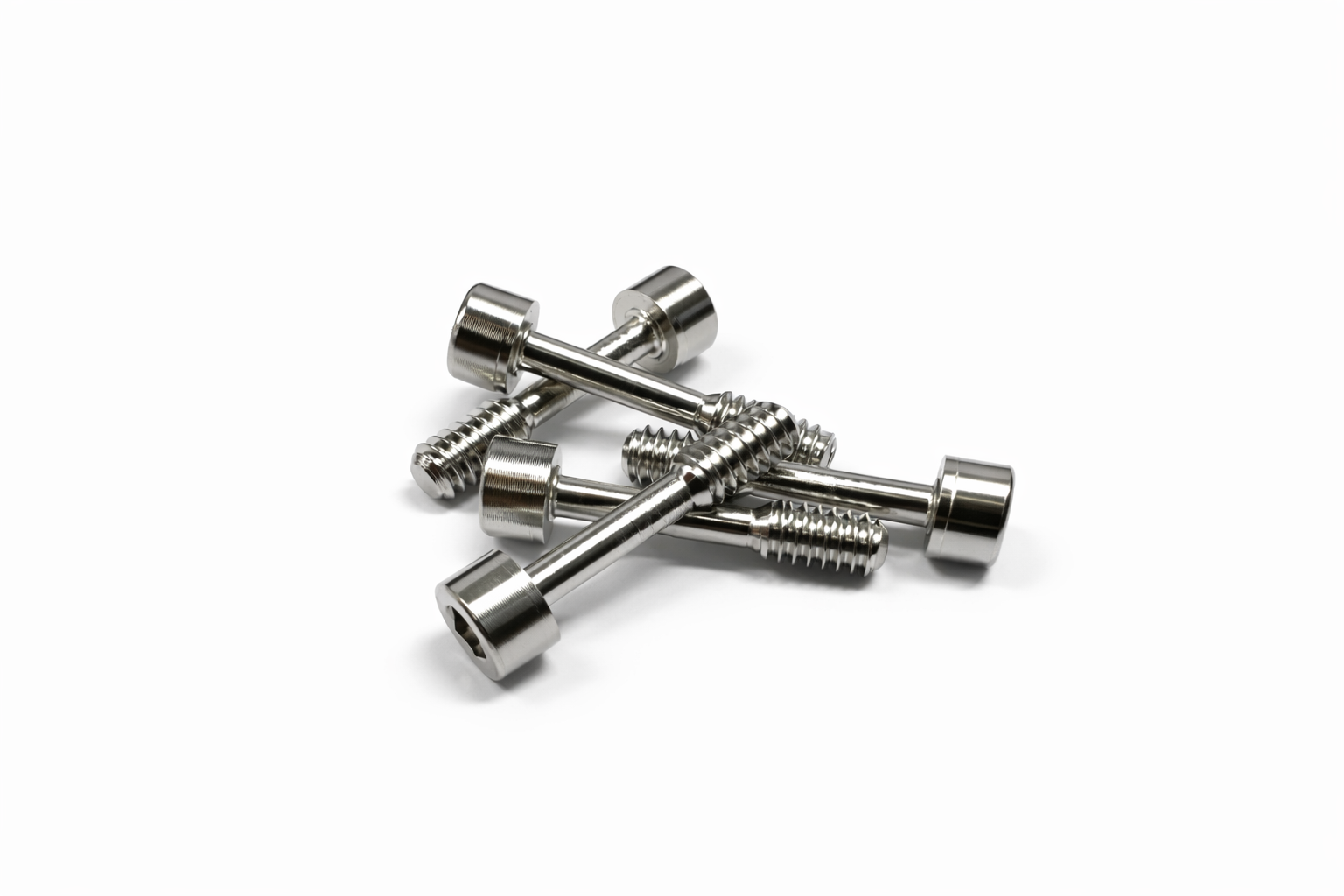
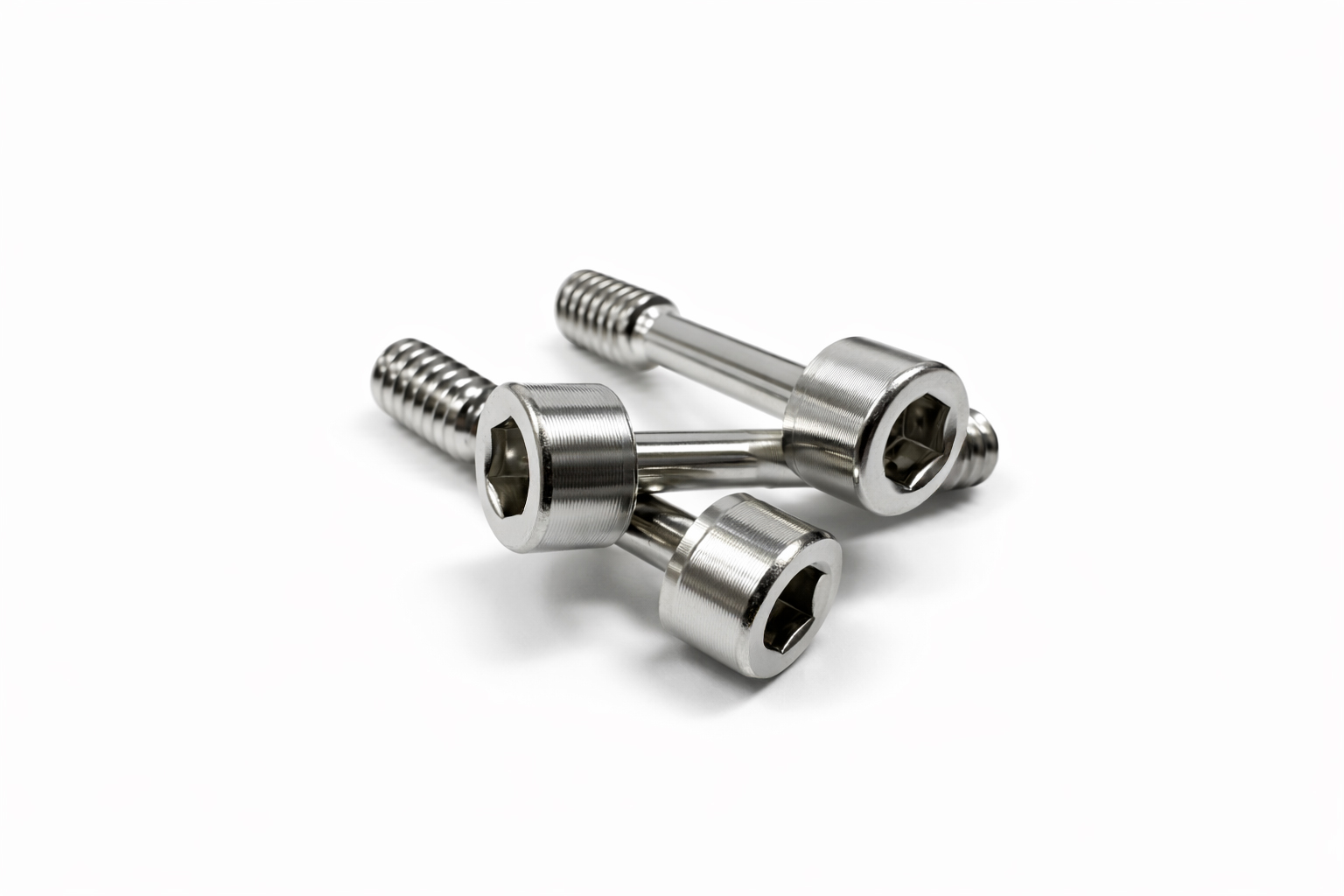
무전해 니켈 도금 부품
방위산업용 정밀 체결 부품과 무전해 니켈 도금의 기술적 융합
방위산업에 사용되는 체결용 볼트는 단순한 고정 부품을 넘어 시스템 전체의 신뢰성을 결정짓는 핵심 요소입니다. 특히 선반 가공을 통해 정교하게 제작된 볼트는 공차 유지가 생존성과 직결되기에 가공 후 표면 처리 기술 선택이 매우 중요합니다. 무전해 니켈 도금(Electroless Nickel Plating, ENP)은 외부 전원을 사용하지 않고 화학적 환원 반응을 통해 니켈-인(Ni-P) 합금층을 형성하는 기술로, 복잡한 형상의 나사산이나 미세한 공차를 요구하는 방산 부품에 최적화된 솔루션을 제공합니다. 전기 도금과 달리 전류 밀도에 따른 두께 편차가 발생하지 않으므로, 정밀 선반 가공으로 구현된 미세한 치수 정밀도를 도금 후에도 그대로 유지할 수 있다는 점이 가장 큰 기술적 이점입니다.
무전해 니켈 도금의 자가 촉매 반응 및 균일성 원리
무전해 니켈 도금은 차아인산나트륨(Sodium Hypophosphite)을 환원제로 사용하여 니켈 이온을 금속 상태로 석출시키는 자가 촉매 반응을 기반으로 합니다. 이 과정에서 도금액이 접촉하는 모든 표면에는 균일한 두께의 피막이 형성됩니다. 일반적인 전기 도금은 모서리나 돌출부에는 두껍게, 골짜기나 구멍 내부에는 얇게 증착되는 ‘도그 본(Dog-bone)’ 현상이 발생하여 정밀한 나사산의 결합을 방해할 수 있습니다. 반면 무전해 방식은 형상에 관계없이 물리적으로 동일한 두께를 보장하므로, 방산용 볼트의 나사산 체결력을 균등하게 유지하고 진동이나 충격 시 응력 집중 현상을 방지하는 데 탁월한 성능을 발휘합니다.
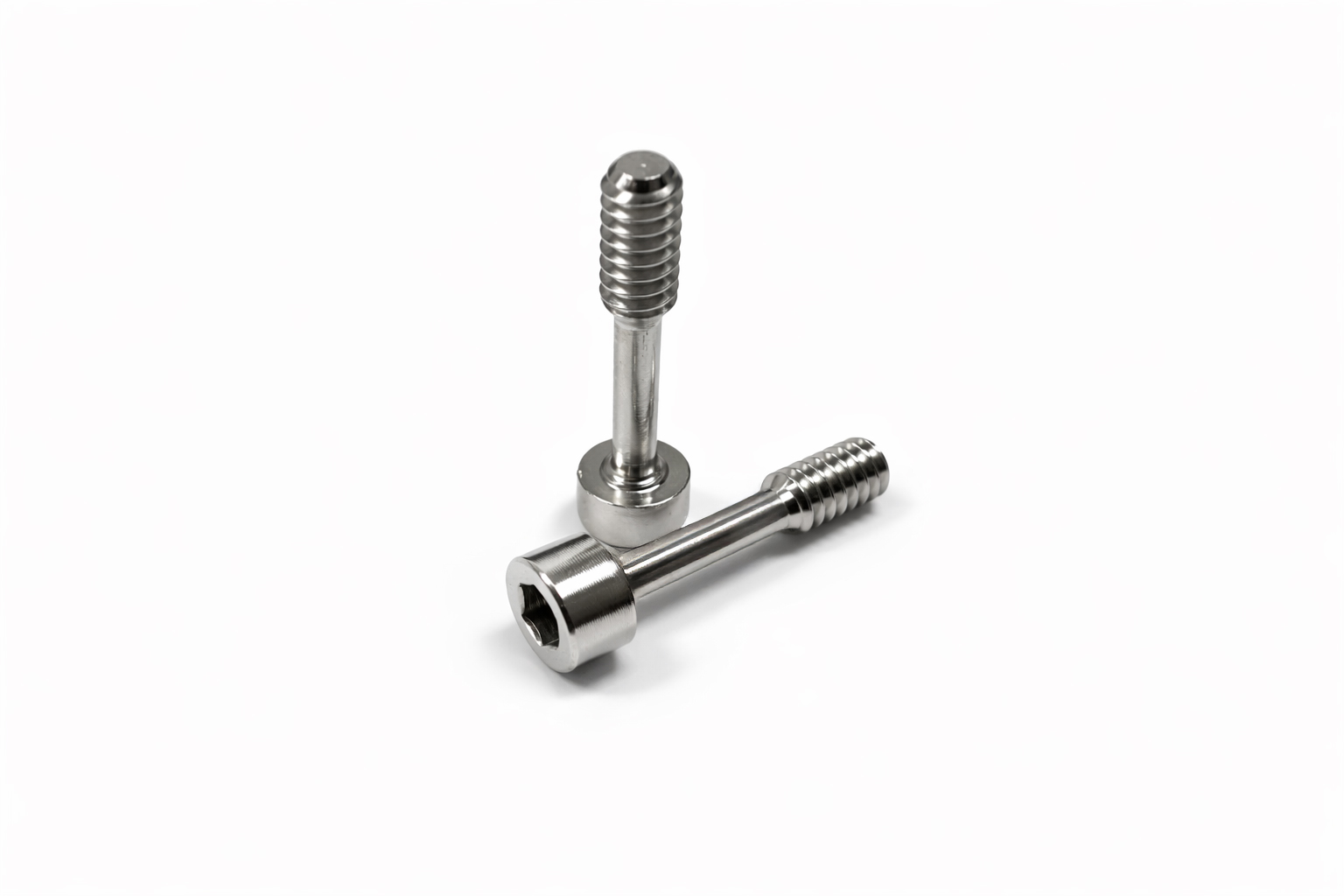
정밀 선반 가공 체결 볼트와 무전해 니켈 도금
방산용 체결 볼트는 높은 정밀도와 반복 하중에 대한 안정성을 요구합니다. 선반 가공을 통해 제작된 볼트는 나사산 형상, 접촉면 평탄도, 체결 토크 전달 특성이 정밀하게 제어됩니다. 이러한 부품에 무전해 니켈 도금을 적용하면 다음과 같은 기술적 이점이 발생합니다.
첫째, 균일한 코팅 두께입니다.
무전해 니켈 도금은 전류 밀도에 영향을 받지 않기 때문에 나사산 내부, 블라인드 홀, 복잡한 형상에서도 동일한 두께로 증착됩니다. 이는 체결 볼트의 나사산 정밀도를 유지하면서도 표면 보호층을 형성할 수 있게 합니다.
둘째, 내식성과 화학적 안정성입니다.
고인 함량 무전해 니켈 코팅은 비정질 구조를 형성하여 부식 경로를 차단하는 장벽 역할을 합니다. 이러한 구조는 염분, 연료, 화학물질 등에 노출되는 환경에서도 높은 내식성을 유지합니다.
셋째, 내마모성과 마찰 안정성입니다.
니켈-인 합금층은 기본적으로 높은 경도를 가지며 열처리를 통해 경도가 더욱 증가할 수 있습니다. 이러한 특성은 체결 볼트의 반복 체결 과정에서 발생하는 마찰 마모와 접촉 손상을 줄이는 데 중요한 역할을 합니다.
넷째, 수소취성 및 응력부식 억제 효과입니다.
무전해 니켈 코팅은 기공이 적고 균일한 보호층을 형성하여 기재 금속이 외부 환경과 직접 접촉하는 것을 방지합니다. 이로 인해 응력부식 균열이나 부식 피로 발생 가능성이 감소하며 장기적인 구조 안정성을 유지할 수 있습니다.
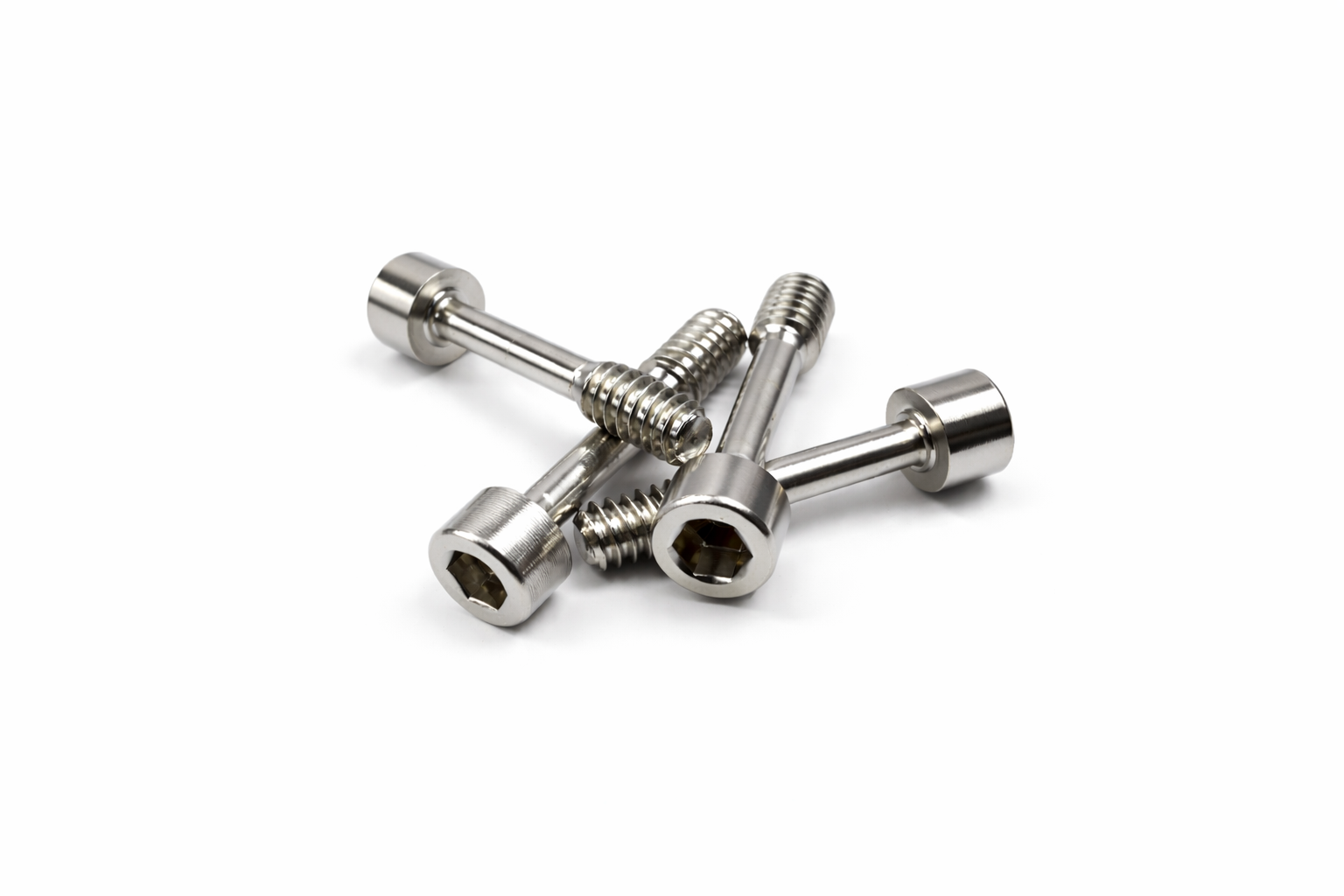
극한 환경에서의 부식 방지 및 내마모성 강화 메커니즘
방산 부품은 고온, 고습, 염분 등 극한의 환경에 노출되는 경우가 많습니다. 무전해 니켈 도금은 핀홀(Pinhole)이 거의 없는 치밀한 구조를 형성하여 하부 소재인 강철이나 합금강이 외부 부식 인자와 접촉하는 것을 완벽하게 차단합니다. 특히 고인 무전해 니켈 도금층은 염수 분무 테스트(Salt Spray Test)에서 수천 시간을 견디는 우수한 내식성을 보여줍니다. 또한 도금 후 약 400℃에서 열처리를 거칠 경우, 니켈-인 화합물(Ni3P)의 석출로 인해 경도가 1,000 HV 수준까지 상승하여 경질 크롬 도금에 필적하는 내마모성을 확보하게 됩니다. 이는 빈번한 분해와 조립이 반복되는 방산 장비의 정비 효율성을 높이는 결과로 이어집니다.
| 구분 항목 | 저인(Low-P) 무전해 니켈 | 중인(Mid-P) 무전해 니켈 | 고인(High-P) 무전해 니켈 |
| 인(P) 함량 | 1 ~ 3% | 6 ~ 9% | 10% 이상 |
| 결정 구조 | 결정질(Crystalline) | 혼합상(Mixed) | 비정질(Amorphous) |
| 석출 경도 (as-plated) | 600 ~ 750 HV | 500 ~ 600 HV | 450 ~ 500 HV |
| 열처리 후 경도 (400℃) | 1,000 ~ 1,100 HV | 900 ~ 1,000 HV | 800 ~ 950 HV |
| 내식성 (염수 분무) | 보통 | 양호 | 최우수 |
| 자성(Magnetism) | 강함 | 약함 | 비자성(Non-magnetic) |
| 주요 방산 적용처 | 고하중 마찰 부위, 기어류 | 일반 지상 기동 장비 부품 | 해상용 미사일, 잠수함 부품 |
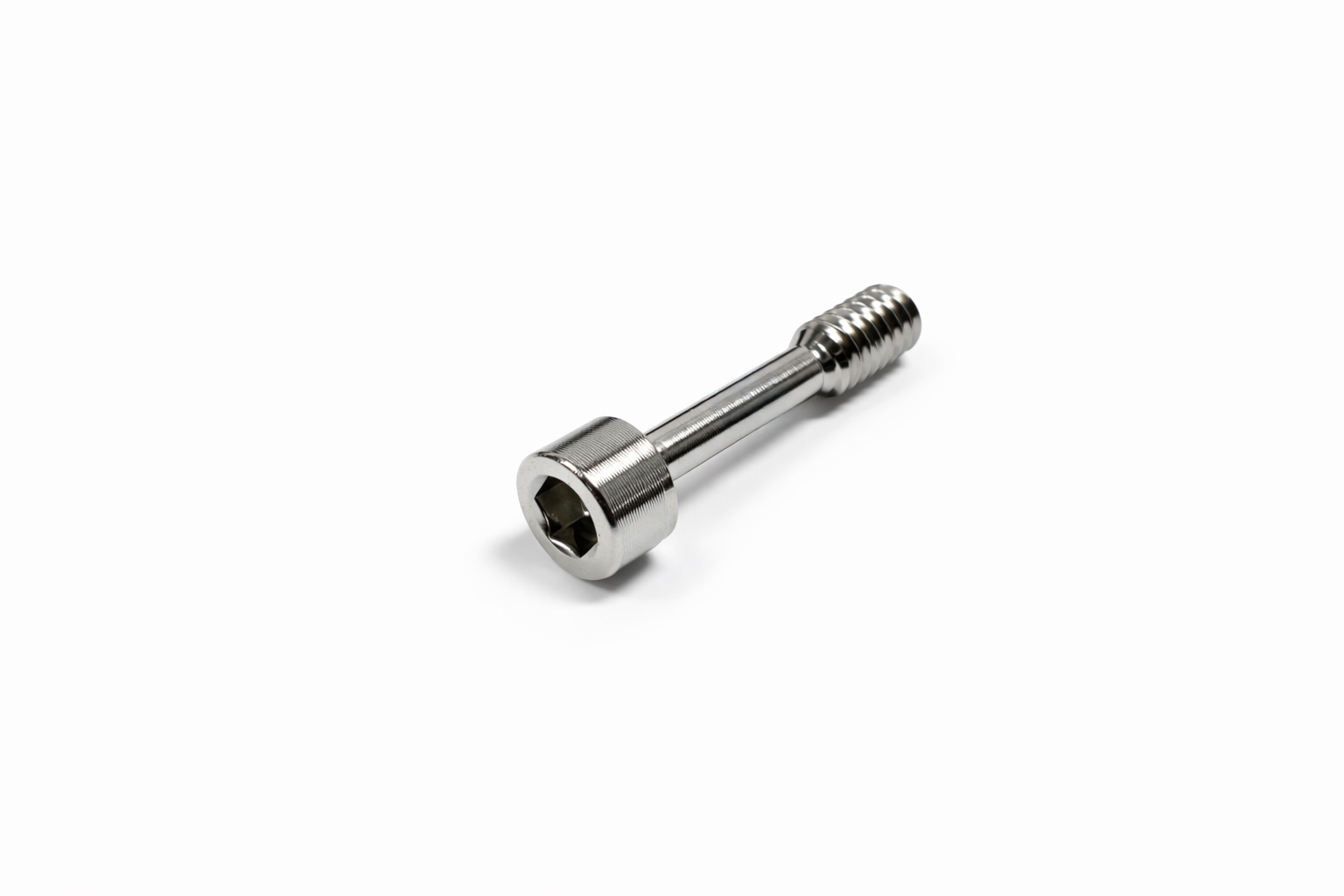
정밀 가공 볼트의 윤활성 및 고온 안정성
체결용 볼트에서 중요한 또 다른 요소는 마찰 계수입니다. 무전해 니켈 도금층은 자체적인 윤활성을 보유하고 있어, 볼트 체결 시 발생하는 ‘갤링(Galling, 나사산 소붙음)’ 현상을 현저히 감소시킵니다. 이는 고속으로 회전하거나 고온에서 작동하는 항공기 엔진 주변부나 포탑 구동부의 체결 안정성을 확보하는 데 필수적입니다. 또한 대기 중 산화 안정성이 뛰어나 고온 환경에서도 피막이 쉽게 변질되지 않으며, 열팽창 계수가 강철과 유사하여 온도 변화가 극심한 환경에서도 도금층의 박리나 균열 발생 가능성이 매우 낮다는 강점이 있습니다.
방위산업 특화 부품 적용 사례 및 전략적 가치
무전해 니켈 도금이 적용된 정밀 선반 가공 볼트는 현재 유도 무기 시스템의 전자장비 케이스 고정, 항공기 유압 시스템, 잠수함의 외장 체결부 등 광범위한 분야에 실전 배치되어 있습니다. 특히 스텔스 성능이 요구되는 부품이나 정밀 센서가 탑재된 장비에서는 도금층의 비자성 특성(고인 도금 기준)을 활용하여 전자기적 간섭을 최소화하기도 합니다. 결론적으로 무전해 니켈 도금은 선반 가공의 기계적 정밀도에 화학적 보호막의 완벽함을 더하는 공정으로, 방산 부품의 수명 주기 연장과 작전 성공률 제고에 결정적인 기여를 하고 있습니다.
수소 취성 방지 및 품질 관리의 엄격성
고장력강을 사용하는 방산용 볼트의 경우 도금 과정에서 발생할 수 있는 수소 취성(Hydrogen Embrittlement) 관리가 필수적입니다. 무전해 니켈 도금 공정은 전기 도금에 비해 수소 발생량이 적지만, 고강도 체결 부품의 안전성을 위해 도금 직후 베이킹(Baking) 처리를 통한 수소 제거 공정을 엄격히 준수합니다. 이러한 일련의 정밀 제어 공정을 통해 제작된 볼트는 파손 위험 없이 설계된 인장 강도를 온전히 유지하며 극한의 전장 상황에서 그 가치를 증명합니다.
방산용 체결 볼트 표면 기술의 중요성
방산 장비의 체결 시스템은 단순한 구조 결합 요소가 아니라 기계적 하중 전달, 진동 억제, 구조 안정성 유지라는 중요한 역할을 수행합니다. 특히 정밀 선반 가공으로 제작된 체결 볼트는 미세 공차와 표면 품질이 직접적으로 체결 신뢰성에 영향을 미칩니다.
이러한 부품에 무전해 니켈 도금을 적용하면 표면 보호층이 균일하게 형성되어 내식성, 내마모성, 치수 안정성을 동시에 확보할 수 있습니다. 또한 표면 경도 향상과 낮은 마찰 특성은 체결 과정에서 발생하는 마찰 손상과 표면 파손을 줄여 장비의 장기 운용 안정성을 높이는 데 중요한 역할을 합니다.
결과적으로 정밀 선반 가공 체결 볼트와 무전해 니켈 도금 기술의 결합은 방산 장비에서 요구되는 고신뢰성 금속 부품 설계와 표면 공학 기술의 핵심 요소로 평가됩니다. 이러한 표면처리 기술은 항공우주, 해군 장비, 미사일 시스템, 군용 차량 등 다양한 분야에서 금속 부품의 수명 연장과 유지보수 비용 절감에 중요한 역할을 수행합니다.
Electroless Nickel Plating for High-Precision Turned Components in the Defense Industry
Electroless Nickel Plated Components
Technical Integration of Precision Fasteners and Electroless Nickel Plating for Defense Applications
Fastening bolts used in defense systems are not merely structural components but critical elements that determine the reliability of an entire system. Bolts manufactured through precision turning processes maintain strict dimensional tolerances, and these tolerances are often directly related to operational survivability. For this reason, selecting the appropriate surface treatment after machining is essential.
Electroless Nickel Plating (ENP) forms a nickel-phosphorus (Ni-P) alloy layer through a chemical reduction reaction without the use of external electrical power. This technology provides an ideal solution for defense components requiring complex geometries and tight dimensional tolerances. Unlike conventional electroplating, thickness variation caused by current density does not occur. As a result, the fine dimensional accuracy achieved through precision turning can be maintained even after plating.
Principle of Autocatalytic Reaction and Uniform Deposition in Electroless Nickel Plating
Electroless nickel plating is based on an autocatalytic reaction in which nickel ions are reduced to metallic nickel using sodium hypophosphite as the reducing agent. During this process, a coating of uniform thickness forms on every surface that comes into contact with the plating solution.
In conventional electroplating, protruding edges often receive thicker deposits while recesses or internal holes receive thinner layers, a phenomenon known as the “dog-bone effect.” This uneven deposition can interfere with the engagement of precision threads. In contrast, the electroless plating process ensures physically uniform thickness regardless of component geometry, maintaining consistent thread engagement in defense-grade fasteners and reducing stress concentration under vibration or shock loads.
Precision Turned Fastening Bolts and Electroless Nickel Plating
Fastening bolts used in defense equipment must maintain high dimensional accuracy and stability under repeated loads. Precision turning processes carefully control thread geometry, contact surface flatness, and torque transfer characteristics.
Applying electroless nickel plating to these components provides several technical advantages.
First, uniform coating thickness.
Because electroless nickel plating is not influenced by current density, identical thickness can be deposited even within internal threads, blind holes, or complex geometries. This enables surface protection while preserving the precision of threaded fasteners.
Second, corrosion resistance and chemical stability.
High-phosphorus electroless nickel coatings form an amorphous structure that acts as a barrier against corrosion pathways. This structure maintains high corrosion resistance even in environments exposed to salt, fuels, or chemical agents.
Third, wear resistance and friction stability.
The nickel-phosphorus alloy layer possesses high inherent hardness, and its hardness can increase further through heat treatment. This characteristic reduces friction wear and contact damage during repeated fastening cycles.
Fourth, suppression of hydrogen embrittlement and stress corrosion.
Electroless nickel coatings form a dense and uniform protective layer with minimal porosity. This barrier prevents direct exposure of the base metal to external environments, reducing the likelihood of stress corrosion cracking and corrosion fatigue while maintaining long-term structural stability.
Corrosion Protection and Wear Resistance Mechanisms in Extreme Environments
Defense components frequently operate in extreme environments characterized by high temperatures, humidity, and saline conditions. Electroless nickel plating forms a dense structure with almost no pinholes, effectively preventing the underlying steel or alloy steel substrate from contacting corrosive elements.
High-phosphorus electroless nickel coatings demonstrate exceptional corrosion resistance, often withstanding thousands of hours in salt spray testing. In addition, when heat treated at approximately 400°C after plating, the precipitation of nickel-phosphorus compounds (Ni₃P) increases hardness to nearly 1,000 HV. This level of hardness approaches that of hard chromium plating, providing excellent wear resistance for components subjected to frequent assembly and disassembly during defense equipment maintenance.
| Category | Low-P Electroless Nickel | Mid-P Electroless Nickel | High-P Electroless Nickel |
|---|---|---|---|
| Phosphorus Content | 1 – 3% | 6 – 9% | Over 10% |
| Crystal Structure | Crystalline | Mixed Phase | Amorphous |
| As-Plated Hardness | 600 – 750 HV | 500 – 600 HV | 450 – 500 HV |
| Hardness After Heat Treatment (400°C) | 1,000 – 1,100 HV | 900 – 1,000 HV | 800 – 950 HV |
| Corrosion Resistance (Salt Spray) | Moderate | Good | Excellent |
| Magnetism | Strong | Weak | Non-Magnetic |
| Typical Defense Applications | High-load friction areas, gears | General ground mobility equipment components | Naval missiles, submarine components |
Lubricity and High-Temperature Stability of Precision Machined Fasteners
Another critical factor for fastening bolts is the friction coefficient. Electroless nickel coatings inherently provide lubricity, significantly reducing the occurrence of galling, a condition where threads seize due to frictional adhesion.
This characteristic is particularly important in high-speed rotating systems or high-temperature environments such as aircraft engine assemblies or turret drive mechanisms. The coating also demonstrates strong oxidation stability in atmospheric conditions and does not easily degrade under elevated temperatures. Since the thermal expansion coefficient of the Ni-P layer is similar to that of steel, the risk of coating delamination or cracking under severe temperature fluctuations is extremely low.
Application Cases in Defense Systems and Strategic Value
Precision turned bolts coated with electroless nickel plating are currently deployed in various defense systems, including electronic equipment housings in guided weapon systems, aircraft hydraulic assemblies, and external fastening structures in submarines.
In particular, components requiring stealth performance or those containing sensitive sensors often utilize the non-magnetic properties of high-phosphorus electroless nickel coatings to minimize electromagnetic interference. Consequently, electroless nickel plating serves as a surface engineering process that combines the mechanical precision of turning with a chemically stable protective layer, contributing significantly to the extended lifecycle and operational reliability of defense components.
Hydrogen Embrittlement Prevention and Strict Quality Control
For defense bolts manufactured from high-strength steel, controlling hydrogen embrittlement during the plating process is essential. Although electroless nickel plating generates less hydrogen compared with conventional electroplating, strict baking procedures are applied immediately after plating to remove absorbed hydrogen.
Through these carefully controlled processes, the resulting bolts maintain their designed tensile strength without fracture risk, ensuring reliability under extreme operational conditions.
Importance of Surface Technology in Defense Fastening Systems
Fastening systems in defense equipment serve not only as structural connectors but also as mechanisms for load transfer, vibration suppression, and structural stability. Precision turned bolts require tight tolerances and high surface quality, both of which directly affect fastening reliability.
Applying electroless nickel plating to these components creates a uniformly distributed protective layer that simultaneously enhances corrosion resistance, wear resistance, and dimensional stability. Increased surface hardness and reduced friction characteristics also minimize surface damage during fastening operations, improving long-term operational stability.
As a result, the integration of precision turning processes with electroless nickel plating technology represents a key element in the design of high-reliability metal components for defense systems, contributing to extended component life and reduced maintenance costs across aerospace, naval systems, missile platforms, and military vehicles.
추가 정보
요약
방위산업용 고정밀 선반 가공 체결 부품은 공차 유지와 내식·내마모 성능이 동시에 요구됩니다. 무전해 니켈 도금은 형상에 따른 두께 편차를 줄이고 나사산 치수 안정성을 유지하는 데 유리하며, 극한 환경에서의 표면 보호에 활용됩니다. 설계 조건과 소재 강도에 따라 인(P) 함량, 열처리, 수소 관리 같은 공정 변수가 함께 검토됩니다.
핵심 포인트
- 균일한 두께 형성: 나사산, 블라인드 홀, 복잡 형상에서도 두께 편차를 줄이는 방향으로 공정 관리가 가능합니다.
- 치수 안정성: 선반 가공 공차를 유지하려면 목표 두께와 허용 오차를 사전에 정의하는 접근이 필요합니다.
- 내식성: 고인(High-P) 계열은 비정질 구조 특성을 활용해 염분·연료·화학 환경에 대응합니다.
- 내마모성: 열처리 조건에 따라 경도와 마찰 안정성 변화가 발생하므로 적용 부위별 요구치 정리가 중요합니다.
- 수소취성 관리: 고강도 체결재는 베이킹 등 후처리 기준을 공정 계획에 포함해야 합니다.
- 검사 체계: 두께, 밀착, 경도, 내부식(염수분무) 등 시험 항목을 사양서와 함께 정리합니다.
- 현장 적용성: 조립·정비 반복 환경에서는 갤링 저감과 표면 손상 억제 관점의 검토가 필요합니다.
FAQ
무전해 니켈 도금은 나사산 정밀도에 어떤 영향을 주나요?
무전해 방식은 전류 분포의 영향이 없어서 형상에 따른 두께 편차를 줄이는 방향으로 제어가 가능합니다. 다만 목표 도금 두께가 실제 나사산 유효경에 영향을 주므로, 설계 공차와 도금 두께를 함께 산정하는 접근이 필요합니다. 체결 토크와 마찰 계수 조건도 함께 확인하는 것이 일반적입니다.
Low-P, Mid-P, High-P 중 방산 환경에서는 무엇을 우선 검토하나요?
염분, 연료, 화학 노출이 큰 환경에서는 고인(High-P) 계열이 내식성 관점에서 우선 검토되는 경우가 많습니다. 마찰 하중이 큰 부위는 저인(Low-P) 또는 열처리 조건을 포함한 내마모 설계가 같이 고려됩니다. 실제 선택은 부식/마모/자성/치수 요구를 동시에 맞추는 방식으로 결정됩니다.
열처리(약 400°C)는 언제 필요하고 어떤 변화가 생기나요?
내마모 성능과 경도 목표치가 높은 경우 열처리를 검토합니다. 열처리로 Ni-P 계열의 구조가 변하면서 경도 상승이 발생할 수 있으나, 부품 소재와 치수 안정성, 조립 조건에 대한 영향도 같이 확인해야 합니다. 적용 부위의 온도 조건과 피로 하중도 함께 평가하는 것이 좋습니다.
무전해 니켈 도금이 갤링(Galling) 저감에 도움이 되나요?
Ni-P 코팅은 마찰 안정성 관점에서 갤링 저감에 활용되는 사례가 있습니다. 다만 실제 체결에서의 마찰 계수는 표면 조도, 두께, 열처리, 윤활 조건에 따라 달라집니다. 체결 토크-축력 관계를 관리해야 하는 부품이라면 시험 기반으로 조건을 확정하는 방식이 유리합니다.
고장력강 체결 부품에서 수소취성은 어떻게 관리하나요?
무전해 공정은 전기 도금 대비 수소 발생이 낮은 편으로 알려져 있으나, 고강도 체결재는 보수적으로 접근하는 경우가 많습니다. 도금 직후 베이킹을 포함한 수소 제거 절차를 공정 규격으로 정의하고, 소재 강도 등급에 따른 조건을 적용합니다. 필요 시 인장/굽힘 시험과 파단 분석 기준도 함께 운영합니다.
방산 부품에 적용할 때 두께는 어느 수준을 기준으로 잡나요?
두께는 내식·내마모 목표와 나사산 공차를 동시에 만족하도록 정의됩니다. 체결 부품은 유효경 변화와 체결 토크 조건이 민감할 수 있으므로, 설계 공차와 목표 수명 조건을 먼저 정리한 뒤 도금 두께 범위를 설정하는 방식이 일반적입니다. 요구 규격이 있다면 해당 규격을 우선 기준으로 삼습니다.
염수분무 시험에서 중요한 평가지표는 무엇인가요?
시간 기준의 부식 발생 여부뿐 아니라, 초기 부식 위치(모서리/나사산/접촉부)와 코팅 손상 형태를 같이 확인하는 경우가 많습니다. 전처리 품질과 세정, 활성화 조건이 결과에 영향을 줄 수 있어 공정 기록과 함께 해석하는 것이 유리합니다. 실제 사용 환경과 시험 조건의 차이도 고려해야 합니다.
무전해 니켈 도금은 비자성 요구에도 대응할 수 있나요?
고인(High-P) 계열은 비자성 특성이 요구되는 상황에서 검토되는 경우가 있습니다. 다만 소재 자체의 자성, 열처리 조건, 조립 구조물의 전자기 환경까지 함께 평가하는 편이 안전합니다. 센서 주변 체결 부품은 간섭 최소화를 위해 사양 단계에서 자성 요구치를 명확히 정의하는 접근이 필요합니다.
관련 주제 확장
방산 체결 부품에서 치수 안정성 설계 포인트
정밀 선반 가공 체결 부품은 나사산 유효경, 접촉면 평탄도, 표면 조도가 체결 신뢰성과 직결됩니다. 도금 두께는 보호 성능뿐 아니라 조립성에도 영향을 주므로, 목표 두께와 허용 범위를 공차 체계에 포함하는 방식이 유리합니다. 또한 조립 토크 관리가 필요한 경우, 표면 상태 변화에 따른 마찰 계수 변동을 시험 기반으로 정리하는 접근이 실무에서 활용됩니다.
인(P) 함량 선택과 내식·내마모 요구의 균형
Low-P/Mid-P/High-P 선택은 부식, 마모, 자성, 열 환경의 요구를 동시에 만족하는 방향으로 결정됩니다. 고인(High-P)은 내식성 관점에서 적용 범위가 넓지만, 마찰 하중이 큰 부위는 열처리 또는 다른 표면 설계와의 조합이 함께 검토됩니다. 현장 운용에서는 정비 반복 여부와 접촉면 손상 모드까지 함께 고려하는 편이 안정적입니다.
수소취성 리스크가 있는 고강도 소재의 공정 관리
고강도 체결재는 수소취성 리스크를 공정 계획 단계에서 다루는 것이 중요합니다. 도금 후 베이킹 조건, 보관 및 조립까지의 리드타임, 검사 항목을 사양으로 묶어 관리하면 재현성이 개선됩니다. 특히 반복 하중과 진동 환경에서는 미세 결함이 누적될 수 있으므로, 표면 결함과 응력 집중을 줄이는 관점의 품질 관리가 유효합니다.
내부 링크
무전해 니켈 도금과 같은 표면 기술은 소재·가공·접합 공정과 함께 검토될 때 설계 의도가 명확해집니다. 관련 기술 흐름은 인사이트에서 정리되어 있으며, 실제 적용을 위해서는 전기접점을 통한 사양 공유가 일반적인 절차로 사용됩니다.
정밀 체결 부품의 가공 방식과 인접 공정도 함께 참고할 수 있습니다.
- CNC 정밀가공부품과 선반 가공 공차 관리 관점의 연계
- 구조연결용 부품의 접합부 내식·내마모 요구와의 비교
- 정밀프레스가공 부품의 형상·두께 편차와 표면처리 설계 포인트
- 케이블와이어 하네스 주변 체결부의 부식·간섭 환경 고려
- 브레이징 및 금속접합소재와 체결/접합 혼합 구조의 표면 보호 전략