압착 슬리브(Crimp Sleeve)의 개요 및 기술적 정의
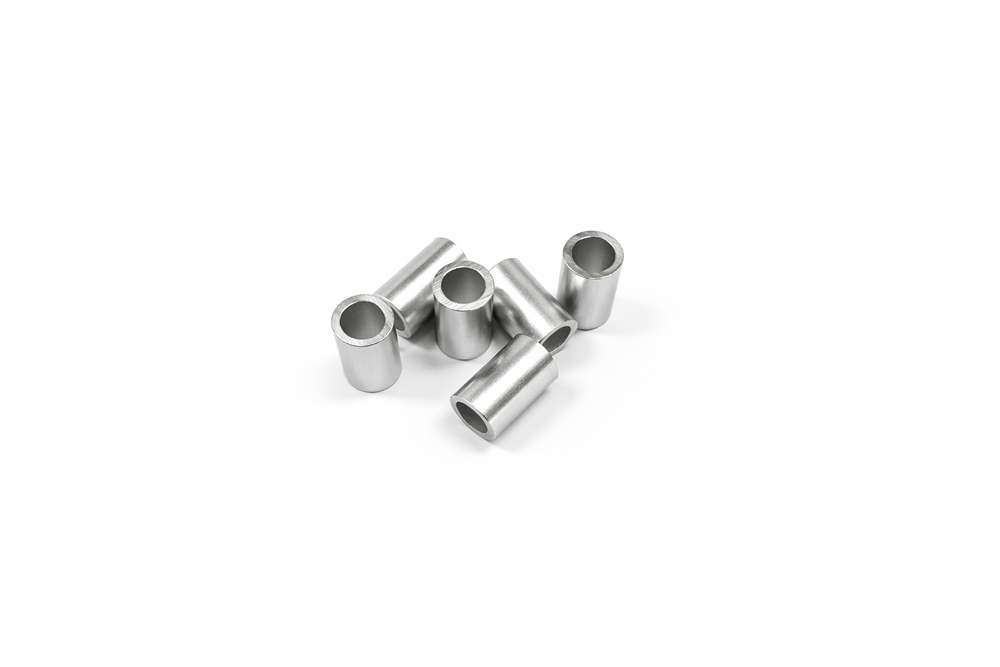
압착 슬리브(Crimp Sleeve)
전기 및 산업용 압착 슬리브의 특성과 산업별 활용 체계
전기적 연결의 신뢰성을 확보하기 위해 사용하는 압착 슬리브(Crimp Sleeve)는 전선과 전선, 또는 전선과 단자 사이를 물리적인 압력으로 결속하여 전기적 연속성을 완성하는 필수 부품입니니다. 금속 도체 또는 와이어를 기계적으로 결속하고 전기적·구조적 연속성을 확보하기 위한 비가열식 접합 요소입니다. 전통적인 납땜이나 용접과 달리, 외부 열원 없이 소성 변형(plastic deformation)을 통해 접촉면을 밀착시키는 방식이 핵심이며, 이는 접촉 저항 감소와 구조적 신뢰성 확보에 직접적으로 기여합니다. 특히 금속 간 접촉에서 중요한 요소인 표면 산화막 제거와 밀착 압력 확보는 압착 공정에서 핵심 변수로 작용하며, 높은 압력 하에서 금속 표면이 재배열되며 전기적 연속성이 형성됩니다.
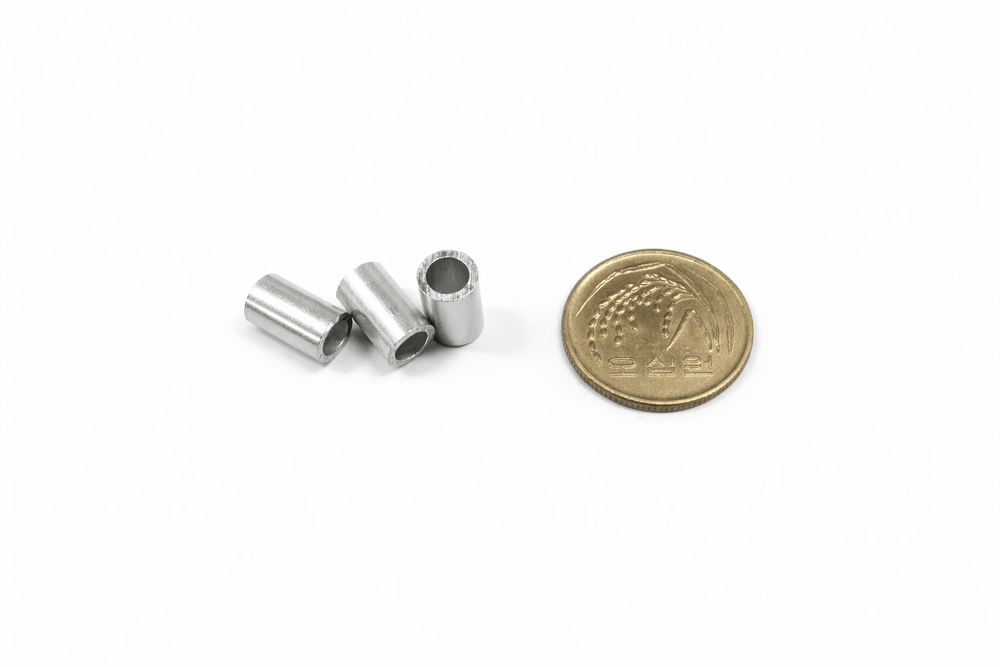
압착 슬리브의 주요 재질 및 금속학적 특성
슬리브의 성능을 결정짓는 가장 핵심적인 요소는 재질의 전도율과 연성입니다. 가장 널리 쓰이는 재질은 순도 99.9% 이상의 무산소동(OFC) 또는 고순도 구리 또는 알류미늄입니다. 구리는 전기 전도성이 매우 우수할 뿐만 아니라, 압착 도구에 의해 변형될 때 적절한 소성 변형을 일으켜 전선 가닥(Strand) 사이의 공극을 메우는 데 최적화되어 있습니다.
표면 처리 공정 또한 중요합니다. 구리 자체는 부식에 취약하므로, 대부분의 산업용 슬리브는 주석 도금(Tin-plating) 처리를 거칩니다. 주석 도금은 산화를 방지할 뿐만 아니라, 이종 금속 간의 접촉에서 발생할 수 있는 전식 현상을 억제하여 장기적인 접속 안정성을 보장합니다. 특수한 내열 환경이나 화학 공장 등 부식성이 강한 환경에서는 스테인리스강(SUS)이나 니켈 도금 재질이 선택되기도 하지만, 일반적인 전기 전도 목적에서는 주석 도금 구리 슬리브가 표준으로 자리 잡고 있습니다.
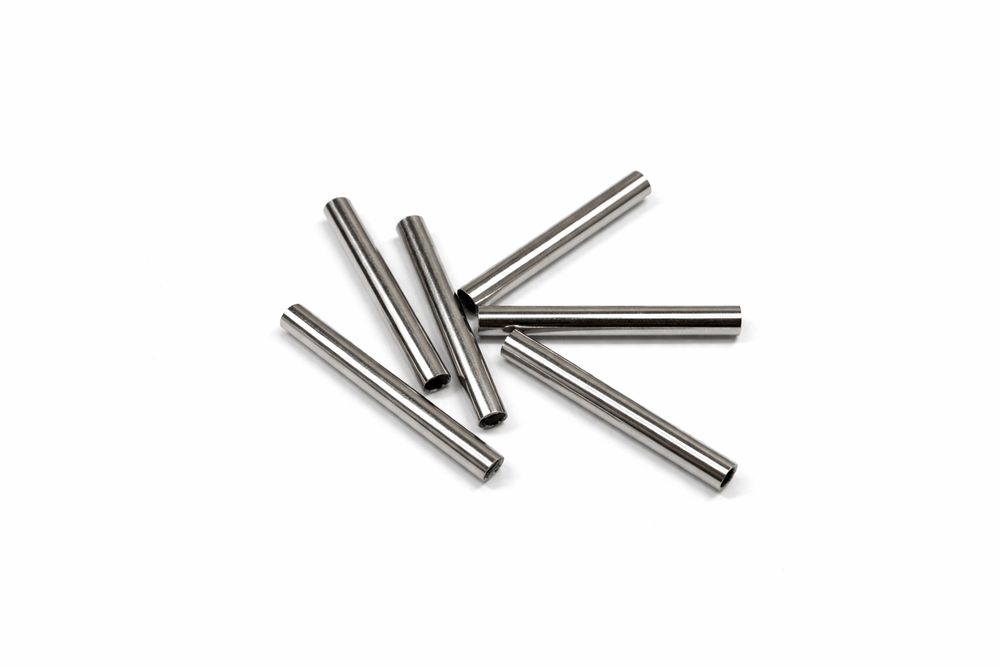
슬리브 재질(Material of Crimp Sleeve)
압착 슬리브는 사용 환경과 요구 성능에 따라 다양한 금속 재질로 제조됩니다. 가장 대표적인 재질은 다음과 같습니다.
1. 동(Copper, Cu)
- 전기 전도도 및 열전도도가 매우 우수
- 전기 배선, 통신, 전력 케이블 접속에 가장 널리 사용됨
- 표면에 주석 도금(Tin plating)을 적용하여 산화 방지 및 내식성 향상
2. 알루미늄(Aluminum, Al)
- 경량성과 경제성이 뛰어나며 대형 케이블 및 구조용 와이어에 적합
- 항공, 해양, 송전선 등에서 광범위하게 사용
- 산화막 형성 특성으로 인해 압착 시 높은 압력 필요
3. 구리합금 및 특수합금
- 고온, 고강도, 특수 환경 대응용
- 예: 산화물 분산 강화 구리(ODS Copper)는 높은 강도와 전도성을 동시에 확보
4. 스테인리스강(Stainless Steel)
- 내식성과 내구성이 요구되는 환경(해양, 화학 플랜트 등)에 적용
- 기계적 결속 중심 용도에 적합
이처럼 슬리브 재질은 단순한 금속 선택이 아니라, 전기적 성능, 기계적 강도, 환경 내구성의 균형 설계 요소입니다.
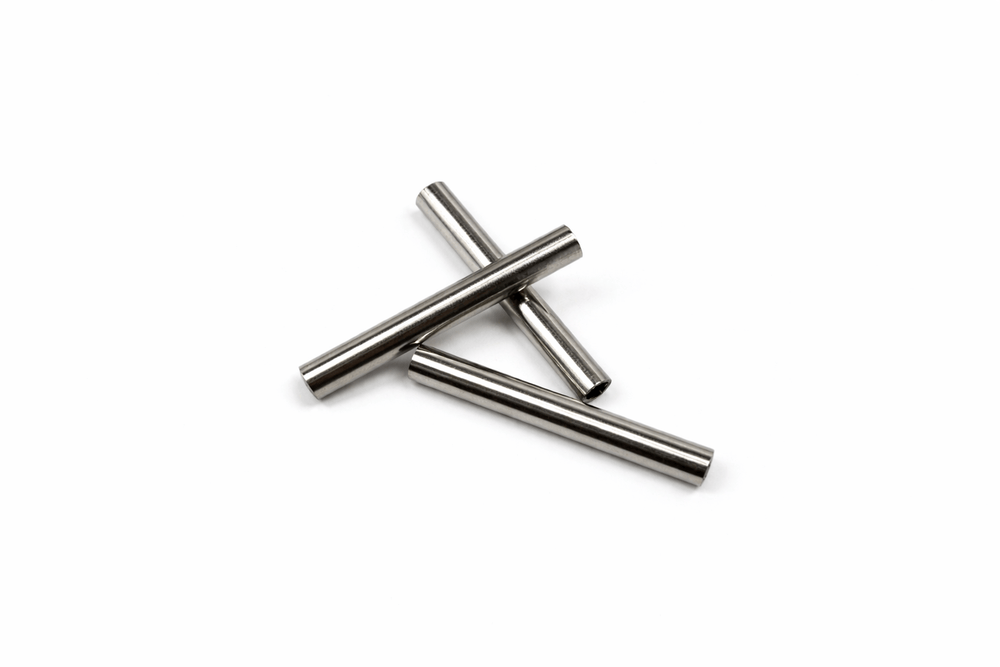
산업별 압착 슬리브의 활용
압착 접속 방식은 납땜이나 볼트 조임 방식에 비해 작업 속도가 빠르고 진동에 강하다는 장점이 있어 다양한 산업군에서 중추적인 역할을 담당합니다.
에너지 및 전력 인프라 산업 송배전 설비 및 변전소 내의 제어반 내부 배선에서 슬리브는 대전류를 안전하게 전달하는 역할을 수행합니다. 특히 신재생 에너지 분야인 태양광 발전소의 접속반(Combiner Box)이나 ESS(에너지 저장 장치) 내부에서 배터리 셀 간의 연결을 위해 고규격의 압착 슬리브가 대량으로 사용됩니다.
자동차 및 모빌리티 제조 산업 최근 전기자동차(EV) 시장이 급성장함에 따라 고전압 와이어 하네스(Wire Harness)의 결속 기술이 중요해졌습니다. 차량 진동과 급격한 온도 변화 속에서도 연결 부위가 이탈되지 않아야 하므로, 자동차 산업에서는 엄격한 인장 강도 테스트를 통과한 전용 압착 슬리브를 사용하여 배터리와 모터 컨트롤러를 연결합니다.
선박 및 해양 플랜트 산업 염분이 높은 해상 환경에서는 부식 방지가 최우선 과제입니다. 선박 내부의 복잡한 통신 선로와 전력 계통에 사용되는 슬리브는 높은 기밀성을 유지하며 압착되어야 하며, 수분 침투를 차단하기 위해 절연 튜브가 일체화된 형태의 열수축 슬리브가 주로 활용됩니다.
자동화 설비 및 공작 기계 산업 PLC(Programmable Logic Controller) 제어반이나 로봇 팔의 내부 배선은 끊임없는 반복 운동과 진동에 노출됩니다. 볼트식 단자는 시간이 지나면 풀릴 위험이 있지만, 압착 슬리브를 이용한 영구 결속 방식은 설비의 유지보수 주기를 획기적으로 늘려줍니다.
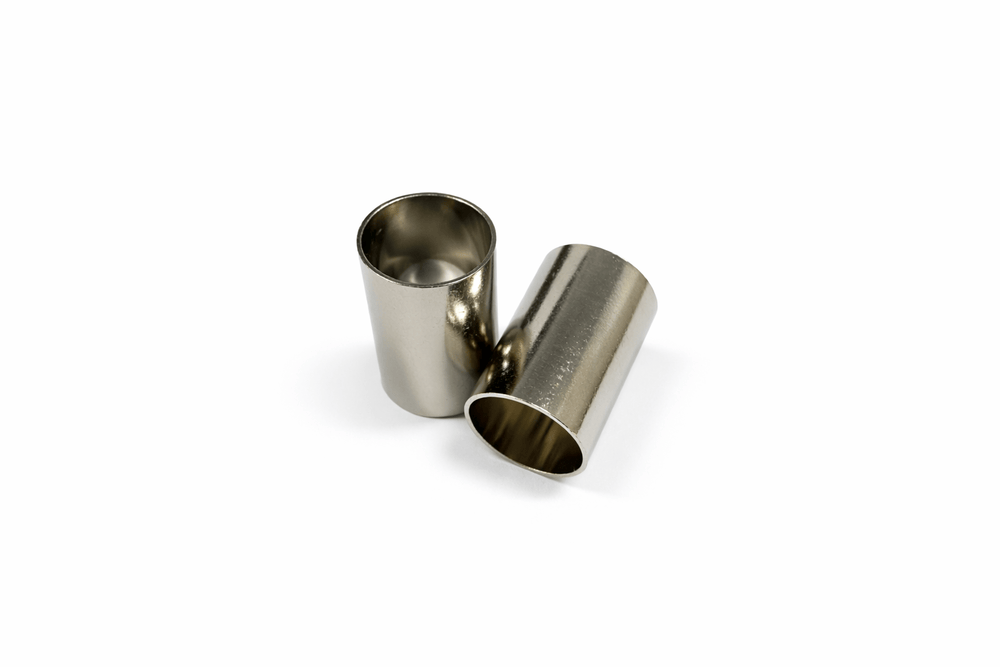
| 구분 항목 | 소형 제어용 슬리브 | 중형 전력용 슬리브 | 대형 산업용 슬리브 |
| 주요 적용 규격 | 0.5mm² ~ 6.0mm² | 10mm² ~ 50mm² | 70mm² ~ 240mm² 이상 |
| 주요 재질 및 도금 | 주석 도금 무산소동 | 주석 도금 순동 | 고순도 전해동 / 알루미늄 합금 |
| 허용 전류 밀도 | 낮음 (신호 전달 위주) | 중간 (동력 배선용) | 매우 높음 (메인 피더선) |
| 압착 방식 | 수동식 / 반자동 툴 | 유압식 펌프 툴 | 전동 유압식 대형 다이스 |
| 주요 요구 성능 | 미세 전류 전도 안정성 | 기계적 인장 강도 유지 | 발열 제어 및 장기 내식성 |
| 최대 허용 온도 | 약 105°C (절연재 기준) | 약 125°C (나동선 기준) | 150°C 이상 (특수 코팅 시) |
압착 공정의 기술적 특징
압착 슬리브의 성능은 단순한 재질보다 압착 공정 조건에 크게 의존합니다.
- 압착력(압력)
- 다이 형상 및 압착 패턴
- 표면 상태 (산화막, 거칠기)
- 재질 간 조합
특히 전자기 압착(Electromagnetic Crimping)과 같은 고속 성형 기술은 비접촉 방식으로 고정밀 접합을 가능하게 하며, 금속 변형량이 에너지에 비례하는 특성이 확인됩니다.
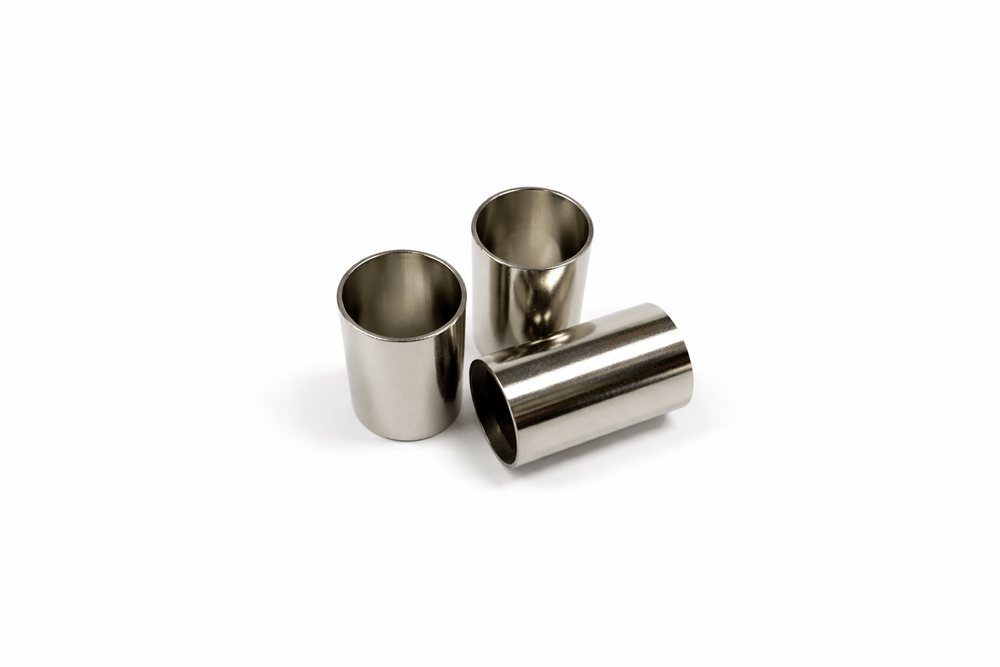
전기·기계적 결속을 동시에 구현하는 압착 슬리브
압착 슬리브는 전기적 연결과 기계적 결속을 동시에 만족시키는 핵심 부품이며, 재질 선택과 압착 공정 조건이 전체 시스템 신뢰성을 좌우하는 구조적 요소입니다. 산업별 요구 조건에 따라 동, 알루미늄, 특수합금 등 다양한 재질이 적용되며, 전력·자동차·항공·해양 산업 전반에서 필수적인 연결 기술로 활용됩니다.
고신뢰성이 요구되는 산업 환경에서는 검증된 재질의 슬리브를 적용하고, 압착 공구의 압력을 주기적으로 교정하여 관리하는 체계가 필수적입니다. 이러한 관리 요소는 단순한 유지보수를 넘어, 접촉 저항 안정성, 발열 억제, 장기 내구성 확보와 직결됩니다.
결국 기술 데이터 기반의 정확한 부품 선정과 공정 관리는 전기 설비의 수명과 안전성을 결정하는 핵심 요소로 작용하며, 압착 슬리브는 이러한 시스템 안정성을 구현하는 중요한 기반 부품입니다.
Overview and Technical Definition of Crimp Sleeve
Crimp Sleeve
Systematic Characteristics and Industrial Applications of Electrical and Industrial Crimp Sleeves
Crimp sleeves are essential components used to ensure the reliability of electrical connections. They physically bind wire-to-wire or wire-to-terminal interfaces through applied mechanical pressure, thereby establishing electrical continuity. These components function as non-thermal joining elements designed to secure both mechanical fixation and electrical conduction of metal conductors or wires.
Unlike traditional soldering or welding, crimping does not rely on external heat sources. Instead, it utilizes plastic deformation to compress and conform contact surfaces, which directly contributes to reduced contact resistance and enhanced structural integrity. In particular, the removal of surface oxide layers and the application of sufficient compressive force are critical variables in the crimping process. Under high pressure, the metal surfaces undergo microstructural rearrangement, forming a stable and continuous electrical path.
Material Characteristics and Metallurgical Properties of Crimp Sleeves
The performance of a crimp sleeve is fundamentally determined by its electrical conductivity and ductility. The most widely used materials include oxygen-free copper (OFC) with a purity exceeding 99.9%, high-purity copper, and aluminum.
Copper exhibits excellent electrical conductivity and favorable plastic deformation behavior under crimping forces. This allows it to effectively fill voids between wire strands, ensuring optimal contact conditions.
Surface treatment processes are also critical. Since copper is susceptible to corrosion, most industrial crimp sleeves undergo tin plating. Tin plating not only prevents oxidation but also suppresses galvanic corrosion that may occur between dissimilar metals, ensuring long-term connection stability. In harsh environments such as high-temperature or chemically aggressive conditions, stainless steel or nickel-plated materials may be selected. However, for general electrical applications, tin-plated copper remains the industry standard.
Material of Crimp Sleeve
Crimp sleeves are manufactured using various metallic materials depending on environmental conditions and performance requirements. The primary materials include the following:
- Copper (Cu)
Offers excellent electrical and thermal conductivity. Widely used in electrical wiring, communication systems, and power cable connections. Tin plating is typically applied to improve corrosion resistance. - Aluminum (Al)
Lightweight and cost-effective, making it suitable for large-scale cables and structural wires. Commonly used in aviation, marine, and power transmission applications. Due to the presence of oxide layers, higher crimping pressure is required. - Copper Alloys and Special Alloys
Used in high-temperature and high-strength environments. For example, oxide dispersion strengthened (ODS) copper provides both high strength and conductivity. - Stainless Steel
Applied in environments requiring high corrosion resistance and durability, such as marine and chemical plants. Primarily used for mechanical fastening purposes.
Material selection is not a simple choice of metal but a comprehensive engineering decision involving electrical performance, mechanical strength, and environmental durability.
Industrial Applications of Crimp Sleeves
Crimping technology plays a central role across various industries due to its advantages in speed, reliability, and resistance to vibration compared to soldering or bolted connections.
In the energy and power infrastructure sector, crimp sleeves are used in distribution systems and control panels within substations. They enable safe transmission of high currents and are widely applied in renewable energy systems such as photovoltaic combiner boxes and energy storage systems (ESS), where large-scale battery connections are required.
In the automotive and mobility industry, the rapid growth of electric vehicles has increased the importance of high-voltage wire harness connections. Crimp sleeves used in this sector must withstand vibration and thermal fluctuations while maintaining secure connections between batteries and motor controllers.
In shipbuilding and offshore plant industries, corrosion resistance is critical due to high salinity environments. Crimp sleeves used in these applications must maintain airtight sealing and are often integrated with heat-shrink insulation to prevent moisture ingress.
In automation systems and machine tools, internal wiring of PLC control panels and robotic arms is subjected to continuous motion and vibration. Unlike bolted connections that may loosen over time, crimped connections provide permanent and stable bonding, significantly extending maintenance intervals.
Technical Specification Table of Crimp Sleeves
| Category | Small Control Sleeves | Medium Power Sleeves | Large Industrial Sleeves |
|---|---|---|---|
| Applicable Wire Size | 0.5mm² ~ 6.0mm² | 10mm² ~ 50mm² | 70mm² ~ 240mm²+ |
| Material & Plating | Tin-plated OFC | Tin-plated Copper | Electrolytic Copper / Aluminum Alloy |
| Current Capacity | Low (Signal transmission) | Medium (Power wiring) | Very High (Main feeder lines) |
| Crimping Method | Manual / Semi-automatic tools | Hydraulic pump tools | Electric hydraulic large dies |
| Key Performance Requirement | Stable micro-current conduction | Tensile strength retention | Heat control and corrosion resistance |
| Maximum Temperature | Approx. 105°C (insulation-based) | Approx. 125°C (bare conductor) | 150°C+ (with special coating) |
Technical Characteristics of the Crimping Process
The performance of crimp sleeves is influenced more by crimping conditions than by material alone.
Key parameters include crimping force (pressure), die geometry and crimp pattern, surface condition such as oxidation and roughness, and material compatibility. Advanced technologies such as electromagnetic crimping enable high-precision, non-contact joining processes, where deformation is proportional to applied energy.
Crimp Sleeves as Integrated Electrical and Mechanical Solutions
Crimp sleeves serve as essential components that simultaneously achieve electrical continuity and mechanical bonding. The selection of materials and control of crimping conditions directly determine the overall system reliability. Depending on industrial requirements, materials such as copper, aluminum, and specialized alloys are utilized across sectors including power, automotive, aerospace, and marine industries.
In high-reliability environments, the use of verified materials and periodic calibration of crimping tools are critical management practices. These measures are directly linked to contact resistance stability, heat suppression, and long-term durability.
Ultimately, data-driven component selection and precise process control play a decisive role in determining the lifespan and safety of electrical systems, with crimp sleeves functioning as a foundational element in achieving system stability.
추가 정보
압착 슬리브는 전선과 단자, 또는 전선과 전선을 기계적으로 결속하면서 전기적 연속성을 형성하는 접합 부품입니다. 재질, 압착력, 도금 상태, 적용 환경에 따라 접촉 저항과 내구성, 유지관리 주기가 달라지므로 산업 현장에서는 규격과 공정 조건을 함께 검토하는 방식이 중요합니다. 이 글은 압착 슬리브의 재질 특성, 적용 산업, 공정 변수, 유지관리 기준을 한 흐름으로 정리한 기술 정보입니다.
핵심 포인트 정리
- 압착 슬리브는 비가열식 접합 방식으로 전기적 연결과 기계적 결속을 동시에 형성합니다.
- 가장 일반적인 재질은 주석 도금 구리이며, 알루미늄과 특수합금은 적용 환경에 따라 선택됩니다.
- 압착 성능은 재질 자체보다 압착력, 다이 형상, 표면 산화막, 공정 일관성의 영향을 크게 받습니다.
- 전력 인프라, 자동차 하네스, 선박 배선, 자동화 설비, ESS 배터리 연결 부위에서 활용 빈도가 높습니다.
- 구리 슬리브는 전도성과 연성이 우수하고, 알루미늄 슬리브는 경량성과 경제성 측면에서 유리합니다.
- 염분, 습기, 화학 환경이 강한 현장에서는 내식성과 절연 구조까지 함께 고려해야 합니다.
- 압착 공구의 정기 교정과 규격별 다이 관리가 장기 신뢰성 유지에 직접 연결됩니다.
자주 묻는 질문
압착 슬리브는 정확히 어떤 용도로 사용되나요?
압착 슬리브는 전선 가닥을 하나로 정리하고, 단자 또는 다른 도체와 안정적으로 연결하기 위한 목적으로 사용됩니다. 전기적 신호 전달뿐 아니라 기계적 이탈 방지 기능도 함께 요구되는 배선 구조에서 활용됩니다.
압착 슬리브 재질로 구리가 가장 많이 사용되는 이유는 무엇인가요?
구리는 전기 전도성이 높고 연성이 우수하여 압착 시 전선 가닥 사이의 공극을 효과적으로 줄일 수 있습니다. 여기에 주석 도금을 적용하면 산화 억제와 내식성 향상에도 유리합니다.
알루미늄 슬리브는 어떤 산업에서 많이 쓰이나요?
알루미늄 슬리브는 대형 케이블, 송전 설비, 경량 구조가 중요한 분야에서 많이 사용됩니다. 경량성과 경제성이 장점이지만 산화막 특성 때문에 압착 전 표면 상태와 공정 조건을 더 엄격하게 관리해야 합니다.
압착 슬리브와 납땜 방식의 차이는 무엇인가요?
압착은 외부 열 없이 기계적 압력으로 결속하는 방식이며, 납땜은 열과 용가재를 사용하는 방식입니다. 진동과 반복 하중이 많은 설비에서는 열영향이 적고 작업 일관성을 확보하기 쉬운 압착 방식이 선호되는 경우가 많습니다.
압착 슬리브의 품질은 어떤 요소로 판단하나요?
전기적 측면에서는 접촉 저항과 발열 안정성을 확인하고, 기계적 측면에서는 인장 강도와 이탈 여부를 점검합니다. 여기에 압착 높이, 다이 형상, 도금 상태, 재질 규격 일치 여부까지 함께 검토하는 방식이 일반적입니다.
자동차와 전기차 분야에서 압착 슬리브가 중요한 이유는 무엇인가요?
자동차 하네스와 전기차 고전압 배선은 진동, 온도 변화, 반복 부하에 지속적으로 노출됩니다. 이 환경에서는 연결부의 미세한 저항 변화도 시스템 성능과 안전성에 영향을 줄 수 있어 압착 품질 관리가 중요합니다.
선박이나 해양 플랜트에서는 어떤 형태의 슬리브가 적합한가요?
염분과 수분 노출이 많은 환경에서는 내식성이 높은 재질과 절연 구조를 함께 고려해야 합니다. 열수축 튜브 일체형 구조나 방습 성능이 강화된 접속 방식이 실무적으로 많이 검토됩니다.
압착 공구 교정이 왜 중요한가요?
압착력이 부족하면 접촉 저항이 증가하고, 과도하면 도체 손상이나 금속 피로가 발생할 수 있습니다. 따라서 공구 교정은 단순 장비 점검이 아니라 연결 신뢰성과 장기 내구성을 위한 기본 관리 항목에 해당합니다.
관련 주제 확장 설명
전기 접속 신뢰성과 접촉 저항 관리
압착 접속의 핵심은 단순히 전선을 눌러 고정하는 데 있지 않습니다. 실제 성능은 접촉면에서 형성되는 저항값, 미세 공극의 감소, 표면 산화막의 파괴 여부에 따라 달라집니다. 같은 재질의 슬리브라도 공정 편차가 크면 발열과 열화 속도에 차이가 발생할 수 있습니다. 따라서 접속부의 신뢰성은 재질 선정과 공정 관리가 함께 설계되어야 확보됩니다.
산업별로 달라지는 슬리브 선정 기준
제어반 내부의 소형 배선은 미세 전류의 안정성과 조립성이 중요하고, 중전류 전력 배선은 인장 강도와 발열 억제가 중요합니다. 선박과 플랜트는 내식성과 방습 구조를 우선 검토하며, 자동차와 모빌리티 분야는 진동과 반복 하중에 대한 내구성이 핵심 변수입니다. 같은 압착 슬리브라도 산업군에 따라 중요하게 보는 성능 항목은 명확히 달라집니다.
도금, 절연, 공정 변수의 실제 영향
주석 도금은 구리 표면의 산화를 늦추고 이종 금속 접촉에서 발생할 수 있는 문제를 줄이는 데 유효합니다. 절연 슬리브 구조는 작업 편의성뿐 아니라 배선 정리와 단락 방지 측면에서도 의미가 있습니다. 또한 다이 형상, 압착 높이, 전선 규격 일치 여부는 외관상 비슷해 보여도 결과 성능에 실질적인 차이를 만듭니다. 현장에서는 재질과 부품 형상만 볼 것이 아니라 공정 조건까지 하나의 패키지로 판단하는 방식이 필요합니다.
유지관리와 장기 수명 관점에서의 해석
압착 슬리브는 설치 시점의 고정 품질도 중요하지만, 운전 중 온도 상승과 진동에 대한 안정성도 함께 평가해야 합니다. 초기 접촉 상태가 양호하더라도 공구 교정 불량이나 재질 부적합이 누적되면 장기 신뢰성이 저하될 수 있습니다. 그래서 고신뢰 설비일수록 부품 규격, 공정 이력, 검사 기준을 함께 관리하는 체계가 요구됩니다.
함께 보면 좋은 내부 자료
압착 슬리브와 유사한 전기적 연결 구조를 더 넓게 검토하려면 전기접점 페이지를 함께 참고하는 방식이 유용합니다. 금속 부품의 정밀 가공 관점은 CNC정밀가공부품에서 연결해서 볼 수 있으며, 기계적 체결 구조와 비교하려면 구조연결용 부품 자료가 흐름상 자연스럽습니다.
또한 압착 전 공정이나 부품 제조 방식과 연관해서는 정밀프레스가공 부품, 배선 조립과 시스템 연계 측면에서는 케이블와이어 하네스, 열을 이용한 접합 공정과의 차이를 비교하려면 브레이징 및 금속접합소재 페이지를 함께 읽어보면 이해의 범위를 넓히는 데 도움이 됩니다. 추가 기술 콘텐츠는 인사이트에서 연속적으로 확인할 수 있습니다.