
전기접점 도금의 모든 것: 신뢰성과 수명을 결정하는 핵심 후공정 기술
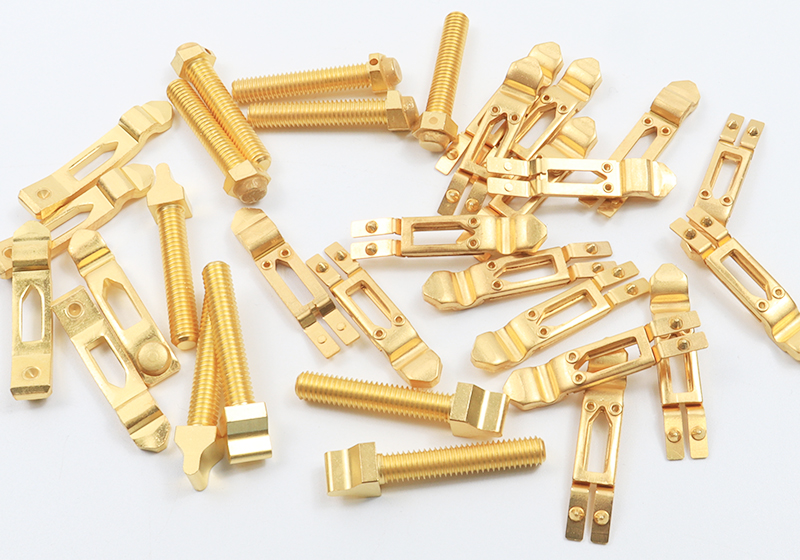
전기접점(electrical contacts)은 신호 또는 전력을 전달하는 접점 부위로서 스마트폰부터 산업기계, 교통시스템, 방산장비까지 광범위하게 사용됩니다.
접점의 성능은 크게 세 가지 요소에 의해 좌우됩니다:
접촉저항(contact resistance)
기계적 내구성 및 마모성
환경저항성(부식, 산화, 열·진동 스트레스 등)
이 중에서 표면처리 기술은 특히 접촉저항을 낮추고, 내구성과 환경저항을 향상시키기 위한 핵심 수단이며, 그 중에서도 도금(plating)은 생산 후 후공정으로 가장 널리 쓰이는 방법입니다.
전처리 및 도금 방식
전기접점(예: 솔리드 또는 클라드 형식)이 제조된 후에는 표면 산화물이나 오염을 제거하는 전처리 과정이 필요합니다. 초음파 세정, 화학적 에칭 등이 흔히 사용됩니다. 그 후 도금이 적용되며, 방식은 크게 두 가지입니다:
전해 도금(electroplating)
무전해 도금(electroless plating)
이러한 방식은 기판 위에 도금 재료가 균일하게 코팅되도록 합니다.
주요 도금 재료 및 특징
금 도금(Gold Plating)
금(Au)은 매우 우수한 전기전도성과 부식저항성을 갖고 있어 고신뢰성 접점에 널리 사용됩니다.
순금(soft gold)과 합금 금(hard gold)으로 나뉘며, 하드 금은 코발트(Co)나 니켈(Ni) 등을 첨가하여 경도를 개선해 마모 저항성을 높인 형태입니다.
적정 두께: 일반적으로 0.5 ~ 5 µm, 그 중에서도 1 ~ 3 µm 수준이 많이 사용됩니다. 너무 얇으면(예: 0.1 µm 이하) 마모 시 기판이 노출되어 부식 가능성이 커지고, 너무 두꺼우면(예: 10 µm 이상) 비용 상승 및 취성(brittleness) 문제 등이 생깁니다.
연구 예: 슬라이딩 조건에서 금 도금 접점의 마모·신뢰성에 대한 분석이 이루어졌고, 도금 두께·접촉하중 등이 접점 수명에 미치는 영향이 확인되었습니다.
은 도금(Silver Plating)
은(Ag)은 금보다 저렴하면서도 전기전도성(약 63×10⁶ S/m)이 금(약 45×10⁶ S/m)보다 높아 고전류 접점에 특히 적합합니다.
단점으로는 황화(sulfidation)에 의한 표면변색 또는 산화가 있으며, 이를 방지하기 위해 보통 니켈 언더코트(Ni under-plate)를 함께 사용합니다.
적정 두께: 연구에서는 은 도금 두께가 2 ~ 10 µm, 그 중 약 4 µm 수준이 프레팅(fretting, 미세 진동 마모) 저항 측면에서 최적이라는 보고가 있습니다.
기타 도금 재료
팔라듐(Palladium, Pd) 도금: 금·은의 중간 특성을 가지며, 내식성 및 내마모성이 좋아 자동차 전자부품 등에 사용됩니다.
니켈(Nickel, Ni) 도금: 보통 언더코트(under-plate)로 사용되고, 기판 보호와 경도 향상을 위해 5 ~ 10 µm 수준으로 적용됩니다.
주석-아연(Tin-Zinc) 도금: 환경규제(RoHS 등)를 고려한 카드뮴 대체재로 부상하고 있으며, 부식 저항성이 특징입니다.
부식 및 환경 저항성 향상
도금층은 산화되거나 부식되는 것을 막는 역할을 합니다.
예를 들어, 금도금은 염수환경에서도 1 000시간 이상 부식 없이 유지되는 경우가 있으며, 이는 비도금 접점 대비 10배 이상 수명이 길다는 보고가 있습니다.
은 도금도 언더코트가 적절히 적용될 경우 황화·산화에 대한 저항성이 확보됩니다.
결과적으로 접점 수명이 2 ~ 5배 연장된다는 산업계 보고가 있습니다.
낮은 접촉저항 유지
귀금속 도금층은 초기 접촉저항을 매우 낮게 유지할 수 있게 해 줍니다.
예컨대 금 도금(1 µm)의 경우 노화 후에도 접촉저항 증가가 20% 미만이라는 연구가 있습니다.
낮은 접촉저항은 고속 신호 전송(예: USB 3.0)이나 정밀 측정 회로에서 신호 손실을 최소화하는 데 매우 중요합니다.
내구성 및 마모 저항성
도금층은 마찰·삽입·제거·진동 등에 의한 마모에 대응할 수 있도록 설계됩니다.
하드 금 도금이나 은 도금은 마찰 계수를 낮추어 삽입/제거 사이클을 1 000회 이상 견디는 설계 사례가 있습니다.
또한, 언더코트(예: 니켈)가 표면 거칠기를 제어해 마모율을 최대 50%까지 줄였다는 보고도 있습니다.
열 충격 환경(예: -55 °C ~ 125 °C)에서도 균열 없이 유지되는 설계가 점점 중요해지고 있습니다.
기타 부가적 이점
EMI(전자기 간섭) 차폐 강화: 도금층이 표면 전도성을 높여 접촉부 및 주변 회로의 전자기적 노이즈 영향을 줄일 수 있습니다.
비용 효율성: 얇은 층으로도 고성능을 얻을 수 있어 소재 비용과 처리비가 저감됩니다.
규제 대응: 무연(lead-free) 도금이나 환경규제(RoHS 등)를 고려한 소재 선택이 가능해졌습니다.
신뢰성 향상: 이러한 이점들이 결합되어 접점의 평균 고장 간격(MTBF, Mean Time Between Failures)이 10⁶시간 이상으로 설계되는 사례가 늘고 있습니다.
철도(Railway) 적용에서의 필요성
철도 시스템은 예컨대 고속철도, 지하철, 전철 제어회로 등에서 24시간 연속 운행되는 경우가 많으며, 접점은 신호·전력·제어회로 전반에 걸쳐 핵심 부품입니다. 이런 환경에서의 특징은 다음과 같습니다:
환경 리스크: 습도(90% 이상), 염분(해안노선), 먼지·진동 등으로 비철도 환경 대비 부식속도가 높습니다.
예컨대 비도금 접점의 경우 접촉저항이 10 mΩ 이상 증가하며 신호 지연이나 단락이 발생할 수 있습니다.
기계적·진동 스트레스: 주행 중 진동, 충격, 삽입/제거 횟수 등이 많고, 프레팅(fretting) 마모가 빈번합니다.
은 도금 4 µm 수준은 마찰계수를 0.2로 낮춰 10⁵ 사이클 이상 견딘다는 사례가 있습니다.
전기적 안정성 요구: 예컨대 고전류(1 000A 이상) 접점에서는 은 도금이 열 전도성을 높여 과열을 방지하는 데 유리합니다.
경제적·안전적 요구: 도금 접점을 적용하면 부품수명 연장 및 유지보수 비용 절감 효과가 큽니다. 예컨대 수명이 15년에서 25년으로 연장되면 유지보수 비용이 약 40% 절감된다는 보고가 있습니다.
철도 분야에서는 표준(예: EN 50155)에서 도금 접점에 대한 염수 테스트(500 시간 이상) 통과를 요구하는 경우도 있습니다.
방산(Defense) 적용에서의 필요성
방산 시스템은 미사일 유도, 항공기 레이더, 탱크 통신, 잠수함 전력·신호 장비 등 매우 극한 환경에서 작동하며, 접점의 실패는 시스템 전체의 임무 실패로 직결될 수 있습니다. 주요 고려사항은 다음과 같습니다:
극한 환경 저항성: 사막(고온 70 °C 이상), 해양(염분), 폭발충격 환경에서는 비도금 접점이 100 시간 이내에 부식되어 접촉저항이 급격히 증가한 사례가 있습니다.
금 도금 3 ~ 5 µm는 1 000 시간 염수 테스트에서 생존율 99% 이상이라는 보고가 있습니다.
카드뮴 대체재로 아연-니켈 도금(5 µm)은 부식속도를 약 80% 저감했다는 데이터가 있습니다.
EMI/RFI 차폐 및 전자전 대응: 고주파 신호(>1 GHz)가 사용되는 환경에서는 접점의 표면 전도성이 차폐 효과 또는 누설 억제에 기여합니다. 금/은 도금은 차폐성능을 40 dB 이상 개선한 사례가 있습니다.
기계적·열적 내구성: 충격(50 g), 열충격(-55 ~ 125 °C) 등의 가혹조건에서 하드 금 도금은 균열 없이 500 사이클 이상 유지되었습니다. 이는 무기 시스템(예: F‑35 전투기 커넥터)의 MTBF를 10⁷ 시간 수준으로 향상시킨 데이터와도 연결됩니다.
전략적·경제적 측면: 부품 교체 주기를 5년에서 10년으로 연장하고 비용을 약 50% 절감했다는 보고도 있습니다. 또한, 생존성(survivability)을 위해 도금 접점이 핵심 요소로 인식되고 있습니다.
나노·하이브리드 도금 연구
최근에는 금-은 복합도금(Au–Ag) 등 하이브리드 코팅이 개발되어, 경도 및 전도성의 균형을 맞추는 연구가 진행 중입니다.
또한, 나노스케일로 도금층을 설계하여 접점 거동을 미세제어하려는 연구들도 보고되고 있습니다.
설계·품질관리 시 고려사항
도금층 두께는 단순히 “두께가 두꺼우면 더 좋다”가 아니라 접점 하중·사이클수·환경특성에 따라 최적값이 존재합니다.
접점 마이크로 접촉점(a-spot) 형상, 표면거칠기 등이 접촉저항에 영향을 주며, 도금층이 이 구조를 어떻게 바꾸는지 설계단계에서 고려되어야 합니다.
다양한 환경(온도변화, 진동, 습기, 염분 등)에서의 테스트·검증이 필수이며, 접점 설계자·품질관리자는 도금층이 실제 운영환경에서 어떻게 거동하는지 데이터 기반으로 평가해야 합니다.
전기접점의 표면 도금은 그저 ‘보호막’이 아니라 전기적·기계적·환경적 성능을 통합적으로 향상시키는 핵심 후공정입니다.
금·은 등의 소재를 적정 두께로 설계하고, 접점의 수명, 신뢰성, 성능을 크게 개선할 수 있습니다.
특히 철도나 방산처럼 극한환경·고신뢰성이 요구되는 분야에서는 도금은 선택사항이 아니라 필수 후공정으로 자리잡고 있습니다.
Electrical contacts are interface regions that transmit signals or power, and are widely used in everything from smartphones and industrial machinery to transportation systems and defense equipment.
The performance of these contacts is governed largely by three key factors:
Contact resistance
Mechanical durability and wear resistance
Environmental resistance (corrosion, oxidation, thermal and vibration stress, etc.)
Among these, surface treatment technology is a core method for reducing contact resistance and improving durability and environmental resistance. Plating, in particular, is the most widely used post-process after contact manufacturing.
Pre-treatment and Plating Methods
After electrical contacts (for example, solid or clad types) are manufactured, a pre-treatment process is required to remove surface oxides and contaminants. Ultrasonic cleaning and chemical etching are commonly used.
Plating is then applied, typically using one of two main methods:
Electroplating
Electroless plating
These methods are designed to form a uniform coating of the plating material on the substrate.
Main Plating Materials and Characteristics
Gold Plating
Gold (Au) has excellent electrical conductivity and corrosion resistance, and is widely used for high-reliability contacts.
It is typically classified into soft gold and hard gold. Hard gold is produced by adding elements such as cobalt (Co) or nickel (Ni) to increase hardness and improve wear resistance.
Typical thickness: generally 0.5 to 5 µm, with 1 to 3 µm being most common.
If the layer is too thin (for example, 0.1 µm or less), the substrate may become exposed as the coating wears, increasing the risk of corrosion. If it is too thick (for example, 10 µm or more), cost rises and problems such as brittleness can occur.Example from research: studies under sliding conditions have analyzed the wear and reliability of gold-plated contacts and confirmed how plating thickness and contact load influence contact lifetime.
Silver Plating
Silver (Ag) is less expensive than gold and has higher electrical conductivity (approximately 63×10⁶ S/m) than gold (approximately 45×10⁶ S/m), making it especially suitable for high-current contacts.
Its drawbacks include surface discoloration and oxidation due to sulfidation. To prevent this, a nickel under-plate is commonly used beneath the silver layer.
Typical thickness: studies report silver plating thicknesses in the range of 2 to 10 µm, with around 4 µm often cited as optimal for resistance to fretting (micro-vibration wear).
Other Plating Materials
Palladium (Pd) plating: Has properties between gold and silver, with excellent corrosion and wear resistance. It is often used in automotive electronic components.
Nickel (Ni) plating: Commonly used as an under-plate. Applied at thicknesses of around 5 to 10 µm to protect the substrate and improve hardness.
Tin-zinc plating: Emerging as a cadmium replacement that complies with environmental regulations such as RoHS, with strong corrosion resistance as a key feature.
Improved Corrosion and Environmental Resistance
The plating layer protects the contact surface from oxidation and corrosion.
For example, gold-plated contacts can remain free from corrosion for more than 1 000 hours in salt-spray environments, which is reported to be more than ten times the life of unplated contacts.
Silver plating can also provide sufficient resistance to sulfidation and oxidation when an appropriate under-plate is used.
As a result, there are industrial reports that the service life of contacts can be extended by a factor of 2 to 5.
Maintaining Low Contact Resistance
Noble-metal plating layers make it possible to maintain very low initial contact resistance.
For example, studies have reported that gold plating with a thickness of 1 µm shows less than 20% increase in contact resistance even after aging.
Low contact resistance is crucial to minimizing signal loss in high-speed data transmission (such as USB 3.0) and in precision measurement circuits.
Durability and Wear Resistance
Plating layers are designed to withstand wear caused by friction, insertion and removal, and vibration.
Hard gold plating and silver plating can reduce the coefficient of friction, enabling designs that endure more than 1 000 insertion/removal cycles.
Nickel under-plates can control surface roughness and have been reported to reduce wear rates by up to 50%.
Designs that remain free of cracks under thermal shock conditions (for example, −55 °C to 125 °C) are becoming increasingly important.
Other Additional Benefits
EMI (electromagnetic interference) shielding enhancement: Plating improves surface conductivity, reducing the impact of electromagnetic noise on the contact region and surrounding circuits.
Cost efficiency: High performance can be achieved with relatively thin layers, lowering material and processing costs.
Regulatory compliance: Lead-free plating and materials that comply with environmental regulations such as RoHS can be selected.
Reliability improvement: Taken together, these advantages have led to more frequent designs in which the mean time between failures (MTBF) of contacts exceeds 10⁶ hours.
Need for Plating in Railway Applications
Railway systems such as high-speed trains, subways, and electric train control circuits often operate 24 hours a day, and contacts play a critical role throughout signal, power, and control circuits. The key characteristics of such environments are:
Environmental risks: Compared to non-railway environments, corrosion progresses more rapidly due to high humidity (often above 90%), salt (coastal lines), dust, and vibration.
For unplated contacts, contact resistance may increase above 10 mΩ, potentially causing signal delays or short circuits.
Mechanical and vibration stress: During operation, the system is subjected to vibration, shock, frequent mating/unmating, and fretting wear.
There are reports that silver plating at about 4 µm can reduce the coefficient of friction to around 0.2 and endure more than 10⁵ cycles.
Electrical stability requirements: For high-current contacts (for example, 1 000 A or more), silver plating is advantageous in preventing overheating by improving thermal conductivity.
Economic and safety requirements: Applying plating to contacts significantly extends component life and reduces maintenance costs.
For example, some reports indicate that extending life from 15 years to 25 years can reduce maintenance costs by about 40%.
In the railway sector, standards such as EN 50155 may require plated contacts to pass salt-spray tests of 500 hours or longer.
Need for Plating in Defense Applications
Defense systems operate in extremely harsh environments in applications such as missile guidance, aircraft radar, tank communication, and submarine power/signal systems. Failure of a single contact can lead directly to mission failure for the entire system. Key considerations include:
Resistance to extreme environments: In desert environments (high temperatures of 70 °C or higher), marine environments (salt), and explosive shock conditions, there have been cases where unplated contacts corroded within 100 hours and contact resistance rose sharply.
Gold plating in the range of 3 to 5 µm has been reported to achieve survival rates of over 99% in 1 000-hour salt-spray tests.
As a cadmium replacement, zinc-nickel plating (around 5 µm) has been shown to reduce corrosion rates by roughly 80%.
EMI/RFI shielding and electronic warfare response: In environments where high-frequency signals above 1 GHz are used, the surface conductivity of contacts contributes to shielding performance and suppression of leakage.
Gold and silver plating have been reported to improve shielding performance by more than 40 dB.
Mechanical and thermal durability: Under severe conditions such as 50 g mechanical shock and thermal cycling between −55 and 125 °C, hard gold plating has been shown to survive more than 500 cycles without cracking.
This has been linked to data showing that the MTBF of weapon systems (for example, F-35 fighter connectors) can be improved to the order of 10⁷ hours.
Strategic and economic aspects: There are reports that plating can extend component replacement intervals from 5 years to 10 years and cut costs by about 50%.
In addition, plated contacts are recognized as key elements for system survivability.
Nano and Hybrid Plating Research
Recently, hybrid coatings such as gold-silver composite plating (Au–Ag) have been developed to balance hardness and conductivity.
There are also studies on designing plating layers at the nanoscale to finely control contact behavior, including wear and electrical performance.
Design and Quality Control Considerations
The thickness of the plating layer does not simply follow the rule “thicker is better”; instead, there is an optimum value depending on contact load, number of cycles, and environmental characteristics.
Micro-contact spots (a-spots), surface roughness, and geometry affect contact resistance, so designers must consider how the plating layer changes these structures during the design phase.
Testing and validation under various environmental conditions (temperature changes, vibration, humidity, salt, etc.) are essential.
Contact designers and quality engineers should evaluate, based on data, how the plating layer behaves in actual operating environments.
Conclusion
The surface plating of electrical contacts is not just a “protective film”; it is a core post-process that integrally improves electrical, mechanical, and environmental performance.
By properly designing the thickness of materials such as gold and silver and applying them in appropriate structures, the service life, reliability, and performance of contacts can be significantly enhanced.
In fields such as railway and defense, where extreme environments and very high reliability are required, plating has become an essential post-process rather than an optional one.
추가 정보
검색엔진용 요약
전기접점은 접촉저항, 마모 내구성, 환경저항성(부식·산화·열/진동 스트레스)에 의해 성능이 결정되며, 표면처리 중 도금은 가장 널리 사용되는 후공정입니다. 전기접점 후공정 도금은 전해/무전해 방식과 언더코트(예: Ni) 설계를 통해 초기 접촉저항을 낮추고, 장기 신뢰성과 수명 안정성에 영향을 줍니다. 적용 환경(고전류, 프레팅, 염수, 열충격)과 목표 고장 모드(저항 상승, 박리, 융착, 침식)를 기준으로 도금 재료와 두께를 선택하는 흐름이 일반적입니다.
핵심 포인트
- 도금은 단순 외관 개선이 아니라 접촉저항, 마모, 부식 거동을 동시에 설계하는 표면공학 요소입니다.
- 전처리(세정, 화학 에칭 등) 품질이 밀착력과 기공(pinhole) 리스크에 직접 영향을 줄 수 있습니다.
- 전해 도금은 전류 기반으로 균일도를 확보하고, 무전해 도금은 복잡 형상에서 두께 균일성 관점에서 활용됩니다.
- 금(Au) 도금은 부식 안정성과 저저항 특성이 장점이며, 소프트/하드(첨가 합금) 구분이 마모 수명에 영향을 줍니다.
- 은(Ag) 도금은 고전류 영역에서 유리하나 황화(sulfidation) 리스크가 있어 언더코트(Ni)와 환경 조건을 함께 검토합니다.
- 팔라듐(Pd) 도금은 내마모·내식 균형형 옵션으로 자동차 전장 부품에서 자주 언급됩니다.
- 도금 두께는 “두꺼울수록 유리”가 아니라 하중, 사이클, 온도 범위, 진동(프레팅) 조건에 따라 최적값이 달라집니다.
- 열충격(-55~125℃ 등), 염수/고습, EMI/RFI 요구가 있는 분야에서는 코팅 체계(언더코트 포함)를 시스템으로 봅니다.
FAQ
접점 소재(솔리드/클라드)가 제조된 이후, 표면 산화물과 오염을 제거하고 목표 표면 특성을 부여하기 위해 도금이 적용되기 때문입니다. 실무에서는 전처리(세정/에칭)와 도금(전해/무전해), 필요 시 열처리나 세정 재공정까지 연속 공정으로 관리하는 경우가 많습니다.
전해 도금은 전류를 이용해 도금층을 형성하므로 공정 조건(전류 밀도, 전극 배치)에 따라 두께 분포가 달라질 수 있습니다. 무전해 도금은 화학 반응 기반으로 복잡 형상에서도 비교적 균일한 코팅을 기대할 수 있으나, 공정 관리(욕 관리, 반응 안정성)가 중요해집니다.
소프트 골드는 상대적으로 연성이 큰 순금 계열로 접촉 안정성에 초점을 두는 경우가 많습니다. 하드 골드는 Co, Ni 등의 첨가로 경도를 높여 마모 저항을 개선한 형태로, 삽입/제거 사이클이 큰 커넥터 접점에서 자주 고려됩니다.
은(Ag)은 높은 전도도를 갖지만 황화 환경에서 표면 변색과 막 형성이 발생할 수 있어 접촉저항 안정성에 영향을 줄 수 있습니다. 언더코트(Ni) 적용, 세정 관리, 보관/사용 환경 조건을 함께 설계해 리스크를 낮추는 방식이 실무적으로 사용됩니다.
니켈은 기판 보호와 확산 방지 역할을 하며, 도금층의 밀착과 내마모 성능 설계에 관여할 수 있습니다. 특히 상부 도금층이 얇은 경우에는 언더코트의 품질과 두께가 장기 신뢰성에 영향을 줄 수 있어 공정 조건 정의가 중요합니다.
목표 환경(고습/염수/열충격), 동작 방식(슬라이딩, 스위칭, 반복 삽입), 접촉 하중과 사이클 수를 기준으로 마모 후 기판 노출 가능성을 먼저 평가합니다. 이후 비용, 공정 편차, 취성(brittleness) 리스크까지 고려해 시험 기반으로 두께 범위를 좁히는 흐름이 일반적입니다.
미세 진동은 표면막 파괴와 재형성을 반복시키며 마모 분진이 누적되기 쉬워 접촉저항 변동이 커질 수 있습니다. 이 경우에는 표면 경도, 마찰계수, 언더코트 설계, 표면 거칠기 관리가 함께 검토되며, 단일 재료 선택만으로 해결되기 어렵습니다.
기공(pinhole), 박리, 두께 불균일, 오염 잔류, 미세 균열 등이 대표적이며, 이는 접촉저항 변동과 부식 기점으로 이어질 수 있습니다. 따라서 두께 측정과 함께 표면 검사, 밀착력 평가, 환경 시험(고습/염수/열충격) 결과를 묶어 판단하는 방식이 많이 사용됩니다.
특정 유해물질 사용 제한으로 인해 도금 소재와 공정 선택이 영향을 받을 수 있으며, 카드뮴 대체 계열(예: 주석-아연 등)이 언급되는 배경이 됩니다. 적용 산업과 고객 규격에 따라 요구 수준이 달라질 수 있어, 규격 문서와 함께 물질 규제 항목을 병행 확인하는 편이 안전합니다.
관련 주제 확장
1) 접촉저항은 “재료”보다 “표면 상태”에 의해 좌우되는 경우가 많습니다
전도도는 벌크 재료의 성질이지만, 접점은 실제 미세 접촉점(a-spot)과 표면막에 의해 저항이 형성됩니다. 전기접점 후공정 도금은 초기 저저항을 만들기 위한 수단이면서, 시간이 지나도 저항 변동이 크게 흔들리지 않도록 표면을 안정화시키는 설계 요소입니다. 따라서 도금 두께, 언더코트, 표면 거칠기, 세정 상태를 한 세트로 정의하는 접근이 실무에 가깝습니다.
2) 내식성·내환경성은 “시험 조건”이 정답을 결정합니다
고습, 염수, 온도 사이클, 진동 등 환경 스트레스는 부식 속도와 표면막 형성 양상을 바꿉니다. 철도/방산처럼 가혹 환경에서는 환경 시험 통과를 목표로 도금 재료와 두께, 언더코트 체계를 설계하는 경우가 많습니다. 같은 도금이라도 시험 조건(시간, 농도, 온도, 사이클)이 달라지면 결과가 달라질 수 있어 조건 정의가 중요합니다.
3) 마모 수명은 하드 코팅만으로 단순화되지 않습니다
삽입/제거, 슬라이딩, 스위칭 아크는 마모 메커니즘이 다르며, “경도”만으로 수명을 단정하기 어렵습니다. 하드 골드, Pd 계열 코팅은 마모 저항에 유리한 선택지가 될 수 있으나, 마찰계수와 상대재 조합, 접촉 하중, 표면 형상까지 함께 영향을 줍니다. 결과적으로 수명 설계는 재료 선택과 공정 관리(두께 편차, 표면 결함 억제)가 동시에 필요해집니다.
4) 언더코트는 확산·기판 보호 관점에서 핵심이 됩니다
상부 귀금속 도금층이 얇아질수록 기판 노출과 확산 문제가 빠르게 나타날 수 있습니다. 니켈 언더코트는 상부 도금의 기반이 되며, 밀착력과 장기 안정성 관점에서 공정 관리 포인트가 됩니다. 특히 미세 접점에서는 작은 결함이 성능 변동으로 증폭될 수 있어 언더코트 품질 검증이 중요해집니다.
내부 링크
전기접점의 구조, 적용 산업, 접합 방식과 함께 후처리(세정·열처리·도금/코팅)를 한 흐름으로 정리하려면 전기 접점(Electrical Contacts) 안내 페이지의 후처리 섹션을 함께 참고하는 것이 도움이 됩니다. 도금 결과를 문서화하고 기준을 맞추는 관점에서는 품질방침의 품질 기준 항목과 연결해 이해할 수 있습니다.