
고내식성 스테인리스강(STS 316L 계열)의 합금 설계와 연질화를 위한 소둔(Annealing) 처리
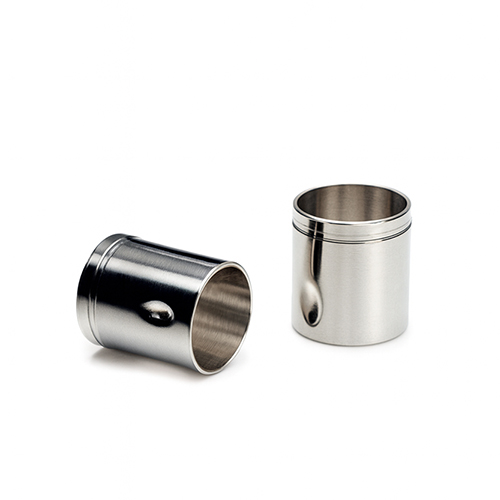
고내식성 합금 원소의 역할과 가공성 저하의 상관관계
해양 플랜트, 화학 공정, 그리고 반도체 제조 장비에 사용되는 부품은 극심한 부식 환경에 노출되어 있습니다. 이러한 환경을 극복하기 위해 기본 STS 316L 규격보다 니켈(Ni)과 몰리브덴(Mo)의 함량을 대폭 높인 특수 합금이 설계됩니다. 몰리브덴은 스테인리스강의 부식 저항성 지수인 PREN(Pitting Resistance Equivalent Number)을 결정짓는 핵심 요소로, 염화물에 의한 공식(Pitting)과 틈새 부식을 억제하는 데 탁월한 효과를 발휘합니다. 또한 니켈은 오스테나이트 조직을 안정화하고 산성 환경에서의 전면 부식 저항성을 강화합니다.
그러나 이러한 합금 원소의 증가는 결정격자 내의 고용 강화(Solid Solution Strengthening) 현상을 유발하여 재료의 항복 강도와 경도를 급격히 상승시킵니다. 특히 몰리브덴 함량이 높은 고합금강은 가공 시 가공 경화(Work Hardening) 속도가 매우 빠르며, 이는 정밀 금형 가공 시 금형의 파손이나 부품의 치수 정밀도 저하를 초래하는 주요 원인이 됩니다. 따라서 정밀 형상을 구현하기 위해서는 재료의 변형 저항을 낮추는 연질화 과정, 즉 소둔 처리가 필수적으로 요구됩니다
소둔 처리의 필요성과 배경
니켈과 몰리브덴 함량이 증가된 316L 변형 합금은 주로 오스테니틱 구조를 가지며, 몰리브덴의 첨가로 공식 부식 저항성이 크게 향상됩니다. 예를 들어, 표준 316L의 몰리브덴 함량이 2-3%인 반면, 이러한 변형 합금에서는 4-7%까지 증가할 수 있습니다. 니켈 함량도 10-14%에서 23-28%로 높아지며, 이는 오스테니트 상의 안정성을 강화합니다. 그러나 이러한 합금화는 열처리 과정에서 시그마 상이나 치 상과 같은 유해 석출물을 형성할 위험이 있으며, 이는 내식성을 저하시킬 수 있습니다. 소둔 처리는 이러한 석출물을 용해시키고, 균질한 미세구조를 형성하여 합금의 연성을 회복합니다. 연구에 따르면, 소둔 처리를 통해 경도가 20-30% 감소할 수 있으며, 이는 정밀 금형 가공에 직접적인 이점을 제공합니다. 또한, 부식 특화 부품의 경우 소둔 후에도 PREN(공식 저항 등가 수치)이 유지되거나 향상되어 장기적인 안정성을 보장합니다. 소둔(Annealing)은 재료를 특정 온도 이상으로 가열하여 일정 시간 유지한 후 서서히 냉각함으로써 내부 응력을 제거하고 조직을 균질화하는 열처리 공정입니다. 고내식성 316L 변형 합금의 경우, 가공 전 단계에서 수행되는 소둔 처리는 결정립 내에 축적된 전위(Dislocation)를 재배열하고 결정립 성장을 유도하여 경도를 낮추는 역할을 수행합니다. 특히 니켈과 몰리브덴이 다량 함유된 합금은 열처리 중 시그마(σ) 상과 같은 유해한 석출물이 형성될 위험이 있습니다. 이러한 석출물은 내식성을 저하시킬 뿐만 아니라 재료를 취약하게 만들기 때문에, 소둔 공정에서는 고온에서 고용화 처리(Solution Treatment)를 병행하여 합금 원소를 오스테나이트 기질 내에 완전히 용해시켜야 합니다. 이를 통해 재료는 금형 가공에 적합한 최적의 연성을 확보하게 됩니다
소둔 처리에 따른 특성의 변화
소둔 처리는 합금의 경도를 낮추어 가공성을 높이는 데 초점을 맞춥니다. 니켈과 몰리브덴 증가로 인해 초기 경도가 HV 250-300에 달할 수 있지만, 소둔 후 HV 150-200으로 감소합니다. 이는 내부 응력 완화와 석출물 용해에 기인합니다. 인장 강도는 소둔 후 약간 감소하나, 연신율이 40-50% 증가하여 정밀 가공 시 균열 위험이 줄어듭니다. 연구에서 1080°C 소둔 시 최적의 균형이 관찰되며, 이는 충격 인성이 2배 이상 향상됩니다. 그러나 소둔 시간이 과도하면 입자 조대화로 인해 강도가 저하될 수 있습니다. 응력 완화 소둔의 경우 경도 감소가 제한적(10-15%)이지만, 용체화 소둔과 결합 시 최적 결과를 얻습니다. 이러한 변화는 부품 제작 시 금형 수명을 연장하며, 특히 고정밀 부식 특화 부품에 유리합니다.
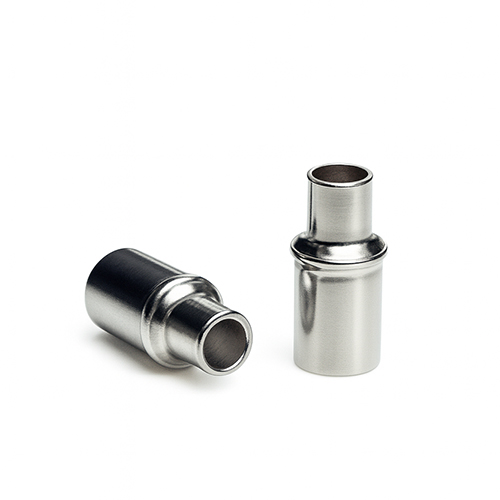
조성 비교
| 합금 종류 | C (%) | Cr (%) | Ni (%) | Mo (%) | N (%) | PREN | 주요 특징 |
|---|---|---|---|---|---|---|---|
| 316L (표준) | ≤0.03 | 16-18 | 10-14 | 2-3 | – | 24-28 | 기본 내식성, 소둔 시 경도 감소 용이 |
| 904L | ≤0.02 | 19-23 | 23-28 | 4-5 | ≤0.1 | 35-40 | 고Ni/Mo, 해수 내식성 우수, 소둔 후 피팅 저항 향상 |
| 254SMO | ≤0.02 | 19.5-20.5 | 17.5-18.5 | 6-6.5 | 0.18-0.22 | 42-45 | 초고 Mo, 소둔 시 시그마 상 용해 필수 |
| AL-6XN | ≤0.03 | 19.5-21.5 | 23.5-25.5 | 6-7 | 0.18-0.25 | 43-46 | 고니켈, 소둔 후 연성 50% 증가 |
| 654SMO | ≤0.02 | 23-25 | 21-23 | 7-8 | 0.45-0.55 | 50+ | 극고 Mo/N, 소둔 시 최고 내식성 유지 |
소둔 처리 온도와 유지 시간에 따른 조직 안정화 공정
정밀 가공을 위한 소둔 처리는 단순히 온도만을 올리는 것이 아니라, 승온 속도, 유지 시간, 냉각 방식의 정밀한 제어가 필요합니다. 고합금강일수록 확산 속도가 느리기 때문에 원자들이 안정적인 격자 위치로 이동할 수 있는 충분한 에너지가 공급되어야 합니다. 일반적으로 1,050°C에서 1,150°C 사이의 온도 범위에서 수행되며, 이 온도 구간은 가공 경화로 인해 발생한 변형 에너지를 구동력으로 하여 새로운 무결함 결정립이 생성되는 재결정(Recrystallization) 현상을 유도합니다.
만약 소둔 온도가 너무 낮으면 내부 응력이 완전히 제거되지 않아 금형 가공 시 탄성 복원(Spring-back) 현상이 심화되며, 반대로 온도가 너무 높으면 결정립이 과도하게 성장하여 가공 후 표면이 거칠어지는 ‘오렌지 필(Orange Peel)’ 현상이 발생할 수 있습니다. 따라서 합금의 조성에 최적화된 소둔 사이클을 설정하는 것이 고품질 정밀 부품 제작의 핵심 기술입니다.
소둔 조건
| 소둔 유형 | 온도 (°C) | 유지 시간 (min) | 냉각 방법 | 경도 변화 (HV) | 내식성 변화 (CPT, °C) | 미세구조 효과 | 적용 예시 |
|---|---|---|---|---|---|---|---|
| 용체화 소둔 | 1050-1100 | 30-60 | 수냉 | -50 ~ -100 | +5 ~ +15 | 석출물 용해, 오스테니트 안정화 | 904L, 피팅 저항 강화 |
| 응력 완화 소둔 | 600-800 | 60-120 | 공냉 | -20 ~ -50 | ±0 ~ +5 | 응력 제거, 최소 구조 변화 | AL-6XN, 가공 후 안정화 |
| 고온 단시간 소둔 | 1150-1200 | 10-30 | 수냉 | -80 ~ -120 | +10 ~ +20 | 입자 균질화, Cr 재분포 | 254SMO, 고부식 환경 부품 |
| 저온 장시간 소둔 | 900-1000 | 120-240 | 공냉 | -30 ~ -60 | +0 ~ +10 | 취성 상 용해, 연성 향상 | 654SMO, 정밀 가공 전 처리 |
| 복합 소둔 (용체화 + 응력 완화) | 1050 / 700 | 30 / 60 | 수냉 / 공냉 | -70 ~ -110 | +15 ~ +25 | 전체 최적화, 잔류 응력 최소 | 변형 316L, 종합 성능 향상 |
정밀 가공을 위한 소둔 후 응력 완화의 중요성
소둔 처리가 완료된 소재는 낮은 경도와 높은 연성을 보유하게 되어 복잡한 형상의 금형 내에서도 유동성이 향상됩니다. 이는 미세한 패턴이나 얇은 벽면을 가진 정밀 부품의 충진율을 높여줍니다. 특히 니켈과 몰리브덴이 풍부한 합금 특유의 강한 점성(Galling) 현상을 제어하기 위해서는 소둔을 통해 결정립계를 정돈하는 것이 유리합니다.
또한, 가공 과정에서 발생하는 잔류 응력은 부품의 장기적인 치수 안정성을 해치는 요소입니다. 소둔은 이러한 잠재적 위험을 사전 제거함으로써 완성된 부품이 가혹한 부식 환경에서 응력 부식 균열(SCC)에 노출되더라도 저항성을 가질 수 있도록 기틀을 마련해 줍니다. 결론적으로, 고합금 스테인리스강의 성능을 극대화하면서도 생산성을 확보하기 위해서는 정밀한 소둔 공정 설계가 선행되어야 합니다.
Alloy Design of Corrosion-Resistant Stainless Steels (STS 316L Series) and Annealing Treatment for Softening
Relationship Between Corrosion-Resistant Alloying Elements and the Decline in Machinability
Components used in offshore plants, chemical processing facilities, and semiconductor manufacturing equipment are continuously exposed to extremely corrosive environments. To withstand such conditions, special high-alloy grades are often developed by significantly increasing the contents of Nickel (Ni) and Molybdenum (Mo) beyond the standard STS 316L specification.
Molybdenum is the key element that determines the Pitting Resistance Equivalent Number (PREN), a widely accepted indicator of pitting corrosion resistance in stainless steels. Higher Mo content dramatically improves resistance to pitting and crevice corrosion in chloride-rich environments. Nickel, meanwhile, stabilizes the austenitic phase and enhances general corrosion resistance in acidic conditions.
However, increasing these alloying elements also promotes solid-solution strengthening within the lattice structure, which significantly raises yield strength and hardness. In particular, highly alloyed Mo-rich stainless steels exhibit very rapid work-hardening behavior, making precision tooling and die-forming difficult. Excessive tooling stress, dimensional inaccuracy, and even die failure can occur.
Therefore, to achieve precision geometry and control deformation resistance, a softening treatment — Annealing — becomes essential.
The Need for Annealing Treatment
High-Ni and high-Mo modified 316L alloys retain an austenitic structure while achieving significantly enhanced pitting corrosion resistance. For instance, while standard 316L contains 2–3% Mo, modified alloys may contain 4–7% Mo. Nickel content may also be increased from 10–14% to as high as 23–28%, providing superior phase stability.
However, this level of alloying introduces the risk of forming detrimental intermetallic phases, such as sigma (σ) phase or chi (χ) phase, during thermal exposure — both of which degrade corrosion resistance and toughness.
Annealing dissolves these harmful precipitates, restores a homogeneous microstructure, and recovers ductility. Studies show that hardness may decrease by 20–30% after annealing, directly improving precision formability. In corrosion-critical components, PREN remains stable or may even improve due to homogenization effects.
Annealing involves heating the material above a specific temperature, holding it for a defined period, and cooling under controlled conditions. In high-Ni/Mo alloys, annealing rearranges dislocations, promotes recrystallization, and lowers hardness. Because these alloys are prone to sigma phase formation during heating, solution annealing at high temperature is often combined with rapid quenching to ensure complete dissolution of Mo and Cr into the austenitic matrix. This produces the optimal balance of softness, corrosion resistance, and structural stability for molding and precision machining.
Property Changes Resulting from Annealing
Annealing primarily aims to reduce hardness and improve formability. In high-Ni/Mo alloys, initial hardness may reach HV 250–300, but following annealing it typically decreases to HV 150–200 due to stress relaxation and dissolution of precipitates.
Tensile strength decreases slightly; however, elongation may increase to 40–50%, greatly reducing crack sensitivity during forming. Research indicates that annealing at approximately 1080°C provides the optimal balance between strength, ductility, and impact toughness — often doubling impact energy absorption.
Excessive annealing time, however, can result in undesirable grain coarsening, reducing strength. Stress-relief annealing alone typically lowers hardness by only 10–15%, whereas solution annealing plus stress relief produces the most favorable overall performance.
Table 1. Alloy Composition and Corrosion-Resistance Comparison
| Alloy Type | C (%) | Cr (%) | Ni (%) | Mo (%) | N (%) | PREN | Key Characteristics |
|---|---|---|---|---|---|---|---|
| 316L (Standard) | ≤0.03 | 16–18 | 10–14 | 2–3 | – | 24–28 | Baseline corrosion resistance; hardness reduction is easy after annealing |
| 904L | ≤0.02 | 19–23 | 23–28 | 4–5 | ≤0.1 | 35–40 | High Ni/Mo, excellent seawater resistance; pitting resistance improves after annealing |
| 254 SMO | ≤0.02 | 19.5–20.5 | 17.5–18.5 | 6–6.5 | 0.18–0.22 | 42–45 | Ultra-high Mo; sigma phase dissolution during annealing is critical |
| AL-6XN | ≤0.03 | 19.5–21.5 | 23.5–25.5 | 6–7 | 0.18–0.25 | 43–46 | High-Ni austenitic alloy; elongation increases by ~50% after annealing |
| 654 SMO | ≤0.02 | 23–25 | 21–23 | 7–8 | 0.45–0.55 | 50+ | Very high Mo/N; maintains maximum corrosion resistance after controlled annealing |
Stabilization of Microstructure Through Annealing Temperature & Holding Time
Industrial annealing is not simply a matter of heating material — it requires precise control of heating rate, soaking duration, and cooling method. The higher the alloy content, the slower atomic diffusion occurs, meaning sufficient thermal energy must be provided to enable lattice stabilization.
For high-alloy austenitic stainless steels, annealing is typically carried out at 1050–1150°C, where recrystallization occurs, eliminating work-hardening effects.
If annealing temperature is too low, internal stress remains, leading to excessive spring-back during die forming. If the temperature is too high, grain coarsening may occur, which can cause surface orange-peel defects after forming and degrade mechanical properties.
Therefore, optimizing the annealing cycle for each alloy grade is a key technology in high-precision component fabrication.
Table 2. Effect of Annealing Conditions on Properties
| Annealing Type | Temperature (°C) | Hold Time (min) | Cooling Method | Hardness Change (HV) | Corrosion Change (CPT, °C) | Microstructural Effect | Typical Application |
|---|---|---|---|---|---|---|---|
| Solution Annealing | 1050–1100 | 30–60 | Water Quench | −50 ~ −100 | +5 ~ +15 | Dissolves precipitates; stabilizes austenite | 904L — improved pitting resistance |
| Stress-Relief Annealing | 600–800 | 60–120 | Air Cool | −20 ~ −50 | ±0 ~ +5 | Stress removal with minimal structural change | AL-6XN — post-machining stability |
| High-Temperature Short-Cycle Annealing | 1150–1200 | 10–30 | Water Quench | −80 ~ −120 | +10 ~ +20 | Grain homogenization; Cr redistribution | 254 SMO — extreme corrosion exposure |
| Low-Temperature Long-Cycle Annealing | 900–1000 | 120–240 | Air Cool | −30 ~ −60 | +0 ~ +10 | Dissolves brittle phases; improves ductility | 654 SMO — pre-precision forming |
| Combined Annealing (Solution + Stress Relief) | 1050 / 700 | 30 / 60 | Water / Air | −70 ~ −110 | +15 ~ +25 | Optimized structure and minimum residual stress | Modified 316L — balanced performance |
Importance of Post-Annealing Stress Relief for Precision Manufacturing
After annealing, the material exhibits lower hardness and significantly higher ductility, improving flow behavior inside precision forming dies. This is especially beneficial for components with thin walls or micro-features, enhancing mold filling capability.
Since high-Ni/Mo alloys tend to suffer from galling and adhesive wear, annealing helps stabilize grain boundaries and minimize surface damage during tooling.
Residual stress formed during machining and forming can compromise long-term dimensional stability and increase susceptibility to stress corrosion cracking (SCC). Proper annealing and stress-relief processing eliminate these risks, ensuring structural integrity in aggressive corrosive environments.
In conclusion, precision-designed annealing cycles are indispensable for maximizing the corrosion-resistant performance of high-alloy stainless steels while also maintaining manufacturability and productivity.
추가 정보
316L은 부식 환경에서 널리 쓰이지만, 고Ni-Mo 조성(또는 조성 편차/열이력)과 가공 경화가 결합되면 부식 저항과 치수 안정성이 동시에 흔들릴 수 있습니다. 316L 고Ni-Mo 어닐링은 조직 안정화와 잔류응력 완화, 내식 성능 회복을 목표로 하며, 냉각 조건과 후처리(세정/산세/패시베이션) 흐름까지 포함해 관리하는 편이 좋습니다.
핵심 포인트
- 어닐링 목적은 강도 “상승”이 아니라 잔류응력 완화와 조직 안정화, 내식성 회복에 가깝습니다.
- 가공 경화(Work hardening)가 큰 316L 정밀 부품은 어닐링 전후 치수 변동과 변형(뒤틀림) 리스크가 존재합니다.
- 냉각 조건(특히 급랭 여부)은 탄화물 석출 억제와 입계 부식 감수성에 영향을 줄 수 있습니다.
- 고온 노출 이력이 길면 표면 산화 스케일과 크롬 고갈층이 형성될 수 있어 후처리 흐름이 중요해집니다.
- 염화물(Cl-) 환경에서는 피팅/크리비스 부식이 핵심 리스크가 될 수 있어 표면 결함과 거칠기 관리가 필요합니다.
- 열처리 분위기(대기/진공/보호가스)와 표면 오염은 부식 성능과 외관 품질에 동시에 영향을 줍니다.
- 검사는 “합격/불합격”보다 변화율(치수 이동, 경도 변화, 표면 상태) 추적이 유용할 때가 많습니다.
FAQ
316L에서 어닐링은 어떤 상황에 필요해지나요?
절삭/성형으로 가공 경화가 누적되거나 잔류응력이 큰 상태에서 부식 환경에 노출되는 경우 필요성이 커질 수 있습니다. 치수 안정성, 조립 정렬성, 장기 내식 성능을 함께 확보하려는 목적에서 적용되는 경우가 있습니다.
어닐링 후에도 부식 문제가 남는 이유는 무엇인가요?
열처리 자체보다 표면 산화 스케일, 크롬 고갈층, 오염(염분/유분), 거칠기 같은 표면 변수로 인해 부식이 먼저 나타날 수 있습니다. 어닐링 이후 세정/산세/패시베이션 등 표면 복원 공정이 함께 관리되어야 실사용 성능이 안정되는 경우가 많습니다.
316L은 저탄소인데도 입계 부식이 문제가 될 수 있나요?
316L은 탄소가 낮아 감수성이 줄어드는 편이지만, 열이력과 냉각 조건이 맞지 않으면 석출과 크롬 고갈이 국부적으로 나타날 수 있습니다. 특히 용접부 인접 영역이나 장시간 고온 노출 조건에서는 평가가 필요해질 수 있습니다.
고Ni-Mo 조성이 내식성에 어떤 의미가 있나요?
니켈과 몰리브덴은 특정 부식 환경(특히 염화물 조건)에서 피팅/크리비스 저항에 유리하게 작용하는 경우가 있습니다. 다만 “조성”만으로 결정되지 않고 표면 상태, 산화막 품질, 틈새 구조와 결합될 때 성능 차이가 크게 나타날 수 있습니다.
어닐링이 치수에 영향을 줄 수 있나요?
잔류응력이 완화되면 미세 변형이 해제되어 치수 이동이나 뒤틀림이 나타날 수 있습니다. 정밀 공차 부품은 열처리 전후 검사 기준을 분리하고, 필요 시 열처리 후 최종 가공(마감)을 고려하는 흐름이 안정적입니다.
경도는 어닐링 후 어떻게 변하나요?
가공 경화가 해소되면 경도가 낮아지거나 분산이 줄어드는 방향으로 나타날 수 있습니다. 중요한 것은 목표 경도 자체보다, 요구 기능(마모/변형/조립 토크)과 내식 성능을 동시에 만족하는지입니다.
표면 거칠기와 부식은 어떤 관계가 있나요?
거칠기가 커지면 미세 틈새와 오염 잔류가 증가해 크리비스 부식 조건이 형성되기 쉬울 수 있습니다. 정밀 부품은 가공결 방향, 디버링 상태, 세정 품질까지 포함해 표면을 “부식 관점”으로 관리하는 편이 좋습니다.
진공/보호가스 열처리는 왜 고려하나요?
대기 열처리 대비 산화 스케일 형성을 줄여 후처리 부담을 낮추고, 표면 상태 분산을 줄이는 데 도움이 될 수 있습니다. 다만 설비 조건과 비용, 처리량을 함께 고려해야 하며, 목표 품질 수준에 따라 선택지가 달라질 수 있습니다.
관련 주제 확장
1) 잔류응력과 내식성은 별개의 문제가 아닙니다
잔류응력은 표면 미세 균열, 변형, 틈새 형성에 영향을 줄 수 있어 부식의 시작 조건을 바꿀 수 있습니다. 특히 정밀 조립체에서는 접촉면의 미세 변형이 크리비스 환경을 만들 수 있어, 어닐링 목적을 “치수+내식” 관점으로 함께 정의하는 편이 좋습니다. 가공 조건, 열처리, 후처리를 분리하지 않고 한 흐름으로 설계하면 품질 분산을 줄일 수 있습니다.
2) 냉각 조건은 ‘조직 안정화’의 일부로 봅니다
용체화 수준의 열처리에서는 냉각 과정이 석출 거동과 표면 산화 상태에 영향을 줄 수 있습니다. 냉각이 느리면 특정 온도 구간에서 석출이 진행될 가능성이 있어, 부품 크기와 열용량을 고려해 공정 창을 잡는 편이 안정적입니다. 정밀 부품은 냉각 과정에서 뒤틀림이 동반될 수 있어 지그/적재 방식도 함께 검토하는 흐름이 좋습니다.
3) 후처리(세정·산세·패시베이션)는 기능 복원의 마지막 단계입니다
열처리 후 표면에 남는 산화물과 오염은 산화막 품질을 떨어뜨리고, 염화물 환경에서 피팅 개시점을 낮출 수 있습니다. 산세/패시베이션은 금속 표면을 단순히 “깨끗하게” 만드는 개념이 아니라, 안정적인 수동피막 형성 조건을 맞추는 과정으로 보는 편이 합리적입니다. 요구 환경이 강할수록 표면 결함(버, 흠집, 거칠기)의 영향이 커지므로 가공 품질과 연결해 관리해야 합니다.
4) 검사 기준은 치수·경도·표면을 동시에 봅니다
고신뢰 정밀 부품에서는 치수만 맞아도 기능이 흔들릴 수 있고, 표면만 좋아도 조립 안정성이 깨질 수 있습니다. 열처리 전후 치수 이동, 경도 변화, 표면 상태(스케일/변색/거칠기) 추적을 병행하면 공정 이상을 빠르게 찾는 데 도움이 됩니다. 필요한 경우 표준 샘플을 두고 트렌드 기반으로 관리하는 방식이 실무적으로 유리할 때가 많습니다.
정밀 가공 관점에서 316L 부품의 공차·표면 흐름을 함께 보려면 CNC 정밀 가공 페이지의 가공 조건과 표면 품질 맥락을 함께 참고하면 문맥 연결에 도움이 됩니다. 검사 항목 구성과 기준 설정은 품질기준 페이지의 측정·판정 흐름과 연결해 정리하는 방식이 유용합니다.