
2025년 귀금속 시장 금 은 가격 급등과 공급 부족
지난 2025년 귀금속 시장 개요
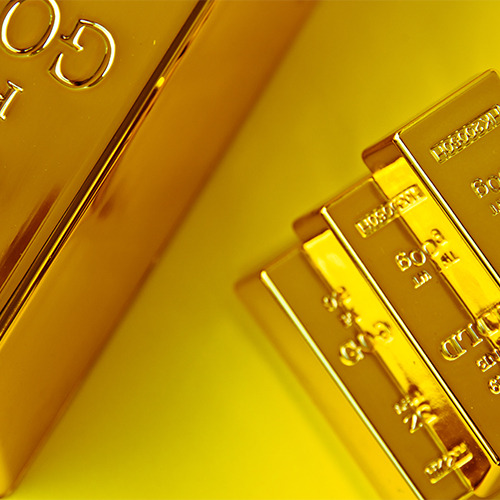
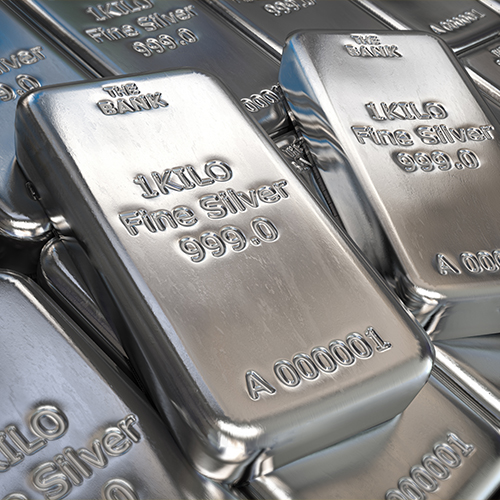
2025년 귀금속 시장은 전례 없는 변동성과 상승세를 보였습니다. 금, 은, 플래티넘, 팔라듐 등의 가격이 기록적인 수준으로 치솟았으며, 이는 지정학적 긴장, 중앙은행의 적극적인 구매, 산업 수요 증가, 공급망 교란 등의 복합 요인에 기인합니다. 특히 금 가격은 연초 2,623달러에서 연말 4,500달러를 상회하며 약 72% 상승했습니다. 이는 1979년 이후 가장 강력한 연간 상승률로 기록되었습니다. 은 가격은 29달러에서 79달러로 172% 급등하며, 태양광과 전기차 수요가 공급 부족을 더욱 부채질했습니다. 플래티넘은 159% 상승으로 자동차와 수소 에너지 분야의 수요가 주도했습니다. 팔라듐은 91% 상승하며 자동차 촉매와 전자제품 수요가 지탱했습니다. 이러한 상승은 단순한 투기적 움직임이 아니라, 글로벌 경제 구조의 근본적 변화와 연결되어 있습니다. 공급 측면에서 중국의 수출 제한과 광산 생산 정체가 가격 압력을 가중시켰으며, 수요 측면에서는 에너지 전환과 AI 인프라 확장이 주요 동인으로 작용했습니다. 이 시장 동향은 향후 수년간 금속 자원의 전략적 중요성을 강조합니다.
지정학적 긴장과 공급망 교란
2025년 메탈 시장의 가장 큰 변수는 지정학적 긴장이었습니다. 중동 지역의 불안정, 특히 사우디아라비아의 예멘 공습과 이란의 미국·유럽·이스라엘에 대한 전면전 선언이 공급 우려를 증폭시켰습니다. 베네수엘라와 나이지리아의 파업도 원유와 연계된 금속 공급을 방해했습니다. 중국은 10월에 리튬 이온 배터리와 희토류 원소에 대한 수출 통제를 강화했으며, 이는 리튬, 코발트, 니켈 등의 가격 상승을 초래했습니다. 희토류 원소의 경우, 중국의 수출 제한으로 글로벌 공급망이 30% 이상의 비용 증가를 경험했습니다. 미국의 관세 정책은 수입 금속에 압력을 가했으며, 이는 구리와 알루미늄 가격을 40% 이상 끌어올렸습니다. 이러한 교란은 광산 개발의 지연과 함께 공급 부족을 영구화시켰습니다. 예를 들어, 은의 경우 2021년부터 2025년까지 누적 공급 부족이 8억 온스에 달했으며, 이는 연간 광산 생산량과 맞먹습니다. 기술적으로, 희토류 정제 과정의 효율화가 시도되었으나, 지정학적 리스크가 이를 상쇄했습니다. 이로 인해 기업들은 공급망 다각화를 추진했으나, 단기적으로는 가격 변동성을 높였습니다.
중앙은행의 금 구매와 화폐 가치 하락
중앙은행들의 금 구매 활동은 2025년 시장의 안정적 수요 기반을 형성했습니다. 연간 1,000톤 이상의 금을 매입하며, 이는 2022년 이후 지속된 추세입니다. 특히 개발도상국 중앙은행들이 달러 의존도를 줄이기 위해 금 보유를 확대했습니다. 금 가격이 4,565달러의 사상 최고치를 기록한 12월에는 이러한 구매가 안전자산 수요와 결합되어 상승을 가속화했습니다. 화폐 가치 하락 측면에서, 미국 달러의 약세가 두드러졌습니다. 연초 대비 11% 하락하며, 이는 금과 은의 상대적 매력을 높였습니다. 인플레이션 압력도 지속되었으며, 글로벌 부채가 324조 달러에 달하는 상황에서 금속은 인플레이션 헤지 수단으로 기능했습니다. 기술 자료에 따르면, 금속의 지속가능한 생산을 위한 순환 경제 모델이 제안되었으나, 현재 수요가 스크랩 재활용량을 초과합니다. 이는 금 보유의 전략적 가치를 더욱 강조합니다.
산업 수요 증가와 기술 혁신
산업 수요는 2025년 메탈 시장의 또 다른 핵심 동인이었습니다. 태양광 패널과 전기차 배터리의 수요가 은과 리튬 가격을 끌어올렸습니다. 은의 경우, 2024년 1억 9,760만 온스에 달하던 태양광 수요가 2025년 더 증가하며, 새로운 TOPCON 패널이 은 사용량을 20~40% 높였습니다. 리튬은 전기차와 배터리 저장 시스템으로 25% 상승했습니다. 구리는 AI 데이터 센터와 전기화 프로젝트로 42% 상승하며 12,000달러/톤에 근접했습니다. 니켈과 알루미늄은 배터리와 항공 분야에서 안정적 수요를 보였습니다. 기술 혁신 측면에서, 고체 상태 배터리가 주목받았습니다. 삼성의 고체 상태 배터리는 차량당 은 사용량을 1kg으로 늘려, 기존 EV 배터리의 20배에 달합니다. 희토류 원소는 AI와 양자 컴퓨팅에 필수적이며, 공급 집중 리스크가 기술 개발을 촉진했습니다. 예를 들어, 플라즈마 기반 분리 기술과 생물 기반 선택적 분리 방법이 공급망 안정화를 위해 연구되었습니다. 이러한 혁신은 장기적으로 공급 압력을 완화할 전망입니다.
가격 변동성과 시장 전망
가격 변동성은 2025년 메탈 시장의 특징이었습니다. 금과 은은 12월에 각각 4,497달러와 70달러를 돌파하며 기록을 세웠으나, CME 그룹의 계약 변경으로 일시적 하락을 경험했습니다. 플래티넘과 팔라듐은 산업 수요로 안정적 상승을 유지했습니다. 시장 전망으로는 2026년 금 가격이 4,900달러에 도달할 가능성이 제기됩니다. 공급 측면에서, 광산 생산이 연 1% 성장에 그치며 새로운 대형 매장 발견이 부족합니다. 기술적으로, 금속 추출 효율화와 재활용 기술이 강조되지만, 단기 공급 부족은 지속될 전망입니다. 투자 측면에서, ETF 유입이 82억 달러를 초과하며 기관 자본이 유입되었습니다. 이는 메탈이 주식과 암호화폐를 능가하는 성과를 보인 이유입니다.
공급 부족과 지속가능성 문제
공급 부족은 2025년 메탈 시장의 근본 문제였습니다. 은의 5년 연속 적자, 희토류의 중국 의존도, 구리의 광산 중단이 이를 상징합니다. 지속가능성 관점에서, 금속 생산은 산업 온실가스 배출의 40%를 차지하며, 에너지 소비의 10%를 소모합니다. 기술 자료는 순환 경제를 통해 스크랩 재활용을 확대할 것을 제안하나, 현재 수요가 이를 초과합니다. 예를 들어, 리튬과 코발트의 공급망 취약성은 에너지 전환을 지연시킬 수 있습니다.

공급 부족과 지속가능성 문제
| 금속 종류 | 연초 가격 (USD) | 연말 가격 (USD) | 상승률 (%) | 주요 동인 |
|---|---|---|---|---|
| 금 | 2,623 | 4,531 | 72 | 중앙은행 구매, 달러 약세 |
| 은 | 29 | 79 | 172 | 산업 수요 (태양광, EV), 공급 부족 |
| 플래티넘 | 1,000 | 2,590 | 159 | 자동차 촉매, 수소 에너지 |
| 팔라듐 | 1,000 | 1,910 | 91 | 전자제품, 자동차 수요 |
| 구리 | 8,500 | 12,000 | 42 | AI 인프라, 전기화 |
| 리튬 | 20,000 | 25,000 | 25 | 배터리 수요, 수출 제한 |
| 금속 구분 | 연간 최고가 대비 상승률 | 주요 가격 결정 요인 | 공급망 리스크 수준 |
| 금 (Gold) | +28.5% | 중앙은행 매입, 지정학적 헤지 수요 | 낮음 (보유고 위주) |
| 은 (Silver) | +42.3% | 태양광 및 전장 부품 수요 급증 | 높음 (광산 생산 정체) |
| 동 (Copper) | +18.7% | 전력망 현대화, AI 데이터 센터 확충 | 매우 높음 (신규 광산 부재) |
| 리튬 (Lithium) | +12.4% | LFP 배터리 채택 확대 및 재고 조정 종료 | 중간 (공급 과잉 해소) |
| 알루미늄 | +15.2% | 친환경 제련 비용 상승, 자동차 경량화 | 중간 (에너지 비용 민감) |
2025년 경험은 메탈 시장의 미래를 재정의합니다. 2026년 금 가격이 4,900달러를 상회할 가능성이 있으며, 은은 55~63달러 범위로 조정될 수 있습니다. 리스크로는 가격 하락 가능성이 있으나, 지정학적 긴장과 산업 수요가 상방 압력을 유지합니다. 기술 혁신, 예를 들어 플라즈마 분리와 생물 기반 추출은 공급 안정화를 도울 것입니다. 기업들은 공급망 다각화를 통해 리스크를 관리해야 합니다. 이 시장은 단순한 상품 거래가 아니라, 글로벌 경제의 전략적 축으로 자리매김합니다.
Overview of the Precious Metals Market in 2025
The precious metals market in 2025 experienced unprecedented volatility and a powerful upward trend. Prices of gold, silver, platinum, and palladium surged to record highs, driven by a complex mix of geopolitical tensions, aggressive central bank purchases, rising industrial demand, and supply-chain disruptions.
In particular, gold prices rose from USD 2,623 at the start of the year to over USD 4,500 by year-end, an increase of approximately 72 percent. This marked the strongest annual gain since 1979. Silver prices skyrocketed from USD 29 to USD 79, a 172 percent jump, as solar and electric-vehicle demand intensified existing supply shortages. Platinum surged 159 percent, driven by demand from the automotive and hydrogen-energy sectors. Palladium rose 91 percent, supported by electronics and automotive catalyst demand.
These increases were not merely speculative movements, but were closely tied to structural changes in the global economy. On the supply side, China’s export restrictions and stagnant mine production added upward pressure on prices, while on the demand side, the global energy transition and expansion of AI-related infrastructure became key drivers. These developments highlight the growing strategic importance of metallic resources over the coming years.
Geopolitical Tensions and Supply-Chain Disruptions
The most significant factor in the 2025 metals market was geopolitical tension. Instability in the Middle East — including Saudi airstrikes in Yemen and Iran’s declaration of full-scale confrontation against the United States, Europe, and Israel — heightened supply concerns. Strikes in Venezuela and Nigeria also disrupted metal supply linked to oil production.
In October, China strengthened export controls on lithium-ion batteries and rare-earth elements, leading to price increases in lithium, cobalt, and nickel. For rare-earth elements, Chinese export restrictions resulted in more than a 30 percent increase in global supply-chain costs. U.S. tariff policies further pressured imported metals, pushing copper and aluminum prices up by more than 40 percent.
These disruptions, combined with delays in mine development, effectively institutionalized supply shortages. For example, the cumulative silver deficit between 2021 and 2025 reached 800 million ounces — roughly equivalent to one year of global mine output. Although technical efforts were made to improve rare-earth refining efficiency, geopolitical risks offset these advances. As a result, companies pursued supply-chain diversification, which in the short term only increased price volatility.
Central Bank Gold Purchases and Currency Depreciation
Central bank gold-buying activity formed a stable demand foundation for the 2025 market. More than 1,000 tons of gold were purchased during the year, extending a trend that has continued since 2022. Developing-country central banks, in particular, expanded gold reserves to reduce reliance on the U.S. dollar.
When gold reached an all-time high of USD 4,565 in December, these purchases combined with safe-haven demand to accelerate the price rally. The U.S. dollar also weakened significantly, falling 11 percent year-over-year, which further increased the relative appeal of gold and silver. Inflationary pressures persisted and, with global debt reaching USD 324 trillion, metals served as an important hedge. Although circular-economy models have been proposed to support sustainable metal production, current demand still exceeds available scrap supply, further highlighting the strategic importance of gold holdings.
Rising Industrial Demand and Technological Innovation
Industrial demand was another key driver in the 2025 metals market. Solar-panel and electric-vehicle battery demand lifted prices for silver and lithium. Silver demand from the solar sector — already 197.6 million ounces in 2024 — grew further in 2025, with new TOPCON panels increasing silver usage by 20–40 percent.
Lithium prices rose 25 percent due to EV and energy-storage demand. Copper prices climbed 42 percent, approaching USD 12,000 per ton, fueled by AI data-center expansion and electrification projects. Nickel and aluminum also saw stable demand from the battery and aerospace sectors.
Technological innovation — particularly solid-state batteries — drew major attention. Samsung’s solid-state battery reportedly increases silver use to nearly 1 kg per vehicle, around 20 times that of conventional EV batteries. Rare-earth elements remain essential for AI and quantum-computing technologies, and the risks associated with supply concentration have spurred development of alternative extraction technologies such as plasma-based separation and bio-selective separation. These innovations are expected to help ease long-term supply pressure.
Price Volatility and Market Outlook
Price volatility was a defining feature of the 2025 metals market. Gold and silver broke records in December, exceeding USD 4,497 and USD 70 respectively, before experiencing temporary corrections due to CME contract changes. Platinum and palladium maintained steady gains supported by industrial demand.
Looking ahead, some analysts project that gold could reach USD 4,900 in 2026. On the supply side, global mine output is expected to grow only about 1 percent annually, with few major new discoveries. Although advances in extraction and recycling efficiencies are being emphasized, near-term supply shortages are likely to persist.
On the investment front, ETF inflows exceeded USD 8.2 billion, attracting institutional capital and helping metals outperform equities and cryptocurrencies.
Supply Shortages and Sustainability Challenges
Supply shortages represented the core structural issue in the 2025 metals market. Silver entered its fifth consecutive year of deficit, rare-earth minerals remained highly dependent on China, and copper production faced repeated disruptions.
From a sustainability perspective, metal production accounts for about 40 percent of industrial greenhouse-gas emissions and consumes around 10 percent of total industrial energy. Technical reports highlight the need to expand scrap recycling through circular-economy strategies. However, current demand still exceeds recyclable volumes. The fragile supply chains for lithium and cobalt, in particular, could slow the pace of the global energy transition.
Supply Shortages and Sustainability Issues — Metal Price Performance
| Metal Type | Start-of-Year Price (USD) | End-of-Year Price (USD) | Increase (%) | Primary Drivers |
|---|---|---|---|---|
| Gold | 2,623 | 4,531 | 72 | Central bank purchases, weak U.S. dollar |
| Silver | 29 | 79 | 172 | Industrial demand (solar, EV), supply deficit |
| Platinum | 1,000 | 2,590 | 159 | Auto catalysts, hydrogen-energy demand |
| Palladium | 1,000 | 1,910 | 91 | Electronics and automotive demand |
| Copper | 8,500 | 12,000 | 42 | AI infrastructure, electrification |
| Lithium | 20,000 | 25,000 | 25 | Battery demand, export restrictions |
Metals — Price Drivers and Supply-Chain Risk Levels
| Metal | Gain vs. Annual High (%) | Key Price Drivers | Supply-Chain Risk Level |
|---|---|---|---|
| Gold | +28.5% | Central-bank buying, geopolitical hedge demand | Low (reserve-driven market) |
| Silver | +42.3% | Surge in solar and EV electronic-component demand | High (stagnant mine production) |
| Copper | +18.7% | Grid modernization, AI data-center expansion | Very High (lack of new large mines) |
| Lithium | +12.4% | Wider LFP battery adoption, end of inventory destock | Medium (excess-supply easing) |
| Aluminum | +15.2% | Higher green-smelting costs, vehicle lightweighting | Medium (high energy-cost exposure) |
Conclusion
The experiences of 2025 are reshaping the future of the metals market. Gold may exceed USD 4,900 in 2026, while silver may correct into the USD 55–63 range. Although downside risks remain, geopolitical tensions and industrial demand continue to support upward pressure.
Technological innovation — including plasma separation and bio-based extraction — is expected to help stabilize supply. Companies will increasingly manage risk through supply-chain diversification. The metals market is no longer simply a commodity space; it is establishing itself as a strategic pillar of the global economy.