
폭증하는 전력 수요가 만든 은(Ag) 수요의 대전환
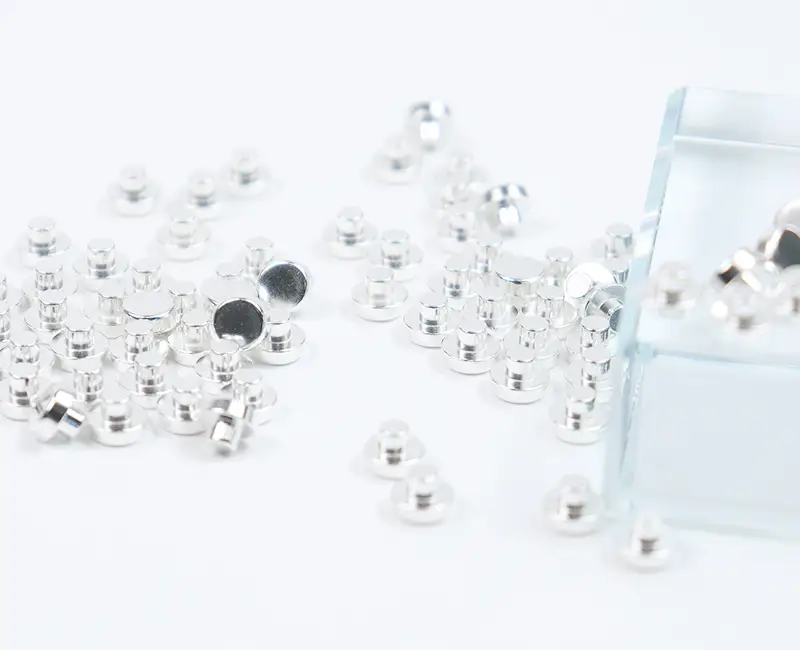
AI 와 폭증하는 전력에 따른 은(Ag) 수요
인공지능(AI)의 급속한 발전은 현대 사회의 디지털 인프라를 재편하고 있습니다. AI 기술은 데이터 처리, 머신러닝, 클라우드 컴퓨팅 등에서 핵심 역할을 담당하며, 이를 뒷받침하는 데이터센터와 서버 인프라의 확장이 필수적입니다. 그러나 이 과정에서 전력 수요가 기하급수적으로 증가하고 있으며, 이는 단순한 에너지 소비 증가를 넘어 특정 소재의 수요 폭발로 이어집니다. 그중에서도 은(Ag, silver)은 최고의 전기 전도성과 장기적인 안정성으로 인해 전기 접점 재료로서 필수 불가결한 역할을 합니다.
AI 성장과 전력 수요의 폭발적 증가
AI 기술의 확산은 데이터센터의 전력 소비를 극적으로 높이고 있습니다. 데이터센터의 글로벌 전력 수요는 2026년까지 두 배 이상 증가할 것으로 예상되며, 2030년에는 1,400TWh를 초과해 전체 전력 수요의 4% 이상을 차지할 전망입니다. AI 워크로드는 기존 컴퓨팅보다 훨씬 더 많은 전력을 요구하며, 고성능 GPU와 서버 클러스터가 이를 뒷받침합니다. 예를 들어, AI 훈련 모델 하나만 해도 수천 kWh의 전력을 소비하며, 데이터센터 전체로 확대되면 국가 단위의 에너지 소비 수준에 도달합니다.
이러한 전력 수요 증가는 단순히 발전량 증가로 그치지 않습니다. 데이터센터 내부의 전기 시스템 – 서버, 스위치, 변압기, 배터리 관리 시스템(BMS) – 에서 효율적인 전기 전송과 안정적인 전기접점이 요구되기 때문입니다. 여기서 은의 역할이 부각됩니다. 은은 AI 인프라의 고밀도 전력 분배 시스템에서 필수적인 소재로, 전기 손실을 최소화하고 장기적인 안정성을 보장합니다. AI 데이터센터의 전력 밀도가 기존 데이터센터의 2~3배에 달하는 만큼, 은의 수요는 5~10% 이상 증가할 것으로 분석됩니다. 이는 AI가 단순한 소프트웨어 혁명이 아니라, 물리적 인프라를 재구성하는 ‘물질 중심’의 변화임을 시사합니다.
은(Ag)의 핵심 물성 최고의 전기 전도성과 열 관리 능력
은은 모든 금속 중에서 가장 높은 전기 전도율(63.01 million siemens per meter)을 자랑합니다. 이는 구리보다 약 6% 높으며, 금이나 알루미늄보다 훨씬 우수합니다. AI 데이터센터처럼 고전류·고주파 환경에서 은은 전기 저항을 최소화해 에너지 손실을 줄여줍니다. 예를 들어, 서버 내 전기 접점에서 은을 사용하면 접촉 저항(contact resistance)이 0.1~1mΩ 수준으로 유지되어, 전력 효율성을 극대화합니다.
또한, 은의 열 전도율 역시 탁월합니다. 고밀도 컴퓨팅 환경에서 발생하는 열을 신속히 분산시켜 과열을 방지합니다. AI 서버의 경우, 프로세서가 극한 부하를 받으면서 열 발생이 폭증하는데, 은 기반 접점은 이 열을 효과적으로 관리해 시스템의 수명을 연장합니다. 미세한 수준에서 보면, 은의 원자 구조가 전자 이동을 원활하게 하며, 표면 산화가 최소화되어 장기적으로 안정적인 전기 성능을 유지합니다. 은 접점은 고온·고습 환경에서도 산화막 형성이 적어, 접촉 저항 증가가 거의 발생하지 않습니다.
전기 접점 재료 은 (Ag)
전기 접점(electrical contacts)은 전류를 연결·차단하는 핵심 부품으로, 데이터센터의 서버, 스위치, 릴레이, 커넥터 등에서 광범위하게 사용됩니다. AI 시대에 이 접점의 중요성은 더욱 커집니다. 왜냐하면 AI 워크로드는 지연(latency)을 최소화해야 하며, 이를 위해 안정적이고 저저항의 전기 연결이 필수이기 때문입니다. 은은 이러한 접점에서 다음의 미세한 장점을 발휘합니다:
- 장기 안정성(Stability over time): 은 접점은 시간이 지나도 부식이나 산화가 적어 전기 성능이 변하지 않습니다. 예를 들어, 황화수소나 염화물 환경에서 은은 얇은 산화막을 형성하지만, 이는 전도성을 유지하는 ‘자기 보호’ 층으로 작용합니다. 연구 결과, 은 도금 접점은 10년 이상의 가동 후에도 초기 저항의 10% 이내 변화를 보입니다. AI 데이터센터의 장기 운영에서 다운타임을 최소화합니다.
- 내마모성(Wear resistance): AI 시스템의 빈번한 스위칭 동작(예: 데이터 라우팅)에서 은은 마찰 계수(COF)가 낮아 마모가 적습니다. 그래핀 강화 은 복합재처럼 최신 기술은 마모율을 30% 이상 줄여, 접점 수명을 연장합니다.
- 아크 저항(Arc resistance): 고전류 환경에서 발생하는 아크(전기 방전)를 은은 효과적으로 억제합니다. 은-텅스텐이나 은-카드뮴 산화물 합금은 아크로 인한 용접(welding)을 방지해, 접점의 신뢰성을 높입니다.
AI 데이터센터의 경우, 은은 반도체 패키징, PCB(인쇄회로기판), 열 인터페이스 재료(TIM) 등에도 사용됩니다. 예를 들어, AI 프로세서의 다이-어태치(die-attach)나 와이어 본딩에서 은은 전기·열 성능을 동시에 만족시킵니다. 글로벌 은 수요의 50% 이상이 산업용이며, AI 관련 전기 애플리케이션이 이를 5~10% 추가 견인할 전망입니다. 미세 수준에서 은의 나노구조는 고주파 신호 전송에서 노이즈를 줄여, AI의 데이터 처리 속도를 높입니다.
은 시장 동향
은 시장은 AI 성장과 재생에너지 전환의 쌍둥이 동력으로 인해 구조적 공급 부족을 겪고 있습니다. 2024년 글로벌 은 수요는 12억 온스(약 3만 7천 톤)를 초과했으며, 산업 수요가 60%를 차지합니다. AI 데이터센터의 전력 인프라 확장으로 은 수요는 2025~2030년간 연평균 3~5% 증가할 것으로 예상됩니다. 특히, EV(전기차)와 태양광(PV) 분야에서 은 소비가 급증하는데, AI는 이와 연계된 데이터 인프라를 통해 은 수요를 증폭시킵니다.
- 공급 제약: 은 생산은 주로 구리·납·아연 광산의 부산물로 이뤄지며, 순수 은 광산은 제한적입니다. AI 수요 증가로 은 가격은 2025년 사상 최고치를 경신했으며, 2026년까지 36% 하락할 가능성도 있지만, 장기적으로는 상승 추세입니다.
- 지역적 불균형: 중국과 미국의 AI 인프라 투자로 은 수요가 집중되며, 관세·무역 정책이 공급망을 교란할 수 있습니다. 예를 들어, AI 서버 클러스터 하나당 은 함량이 기존 데이터센터의 2~3배에 달합니다.
은과 비교되는 대안 재료
| 재료 | 전기 전도율 (IACS %) | 열 전도율 (W/m·K) | 부식 저항 | 비용 (상대적) | 장기 안정성 | AI 인프라 적합성 |
|---|---|---|---|---|---|---|
| 은 (Ag) | 100% | 429 | 우수 (자기 보호 산화막) | 중간 | 최고 (10년 이상 저항 유지) | 최고 (저저항, 저마모) |
| 구리 (Cu) | 97% | 401 | 중간 (산화 쉬움) | 저렴 | 중간 (부식으로 저항 증가) | 중간 (고전류에서 열 발생) |
| 금 (Au) | 70% | 318 | 최고 (비반응성) | 매우 비싸 | 우수 (부식 없음) | 우수 (하지만 비용 문제) |
| 팔라듐 (Pd) | 16% | 72 | 우수 | 비싸 | 중간 (마모 취약) | 낮음 (전도율 부족) |
| 알루미늄 (Al) | 61% | 237 | 중간 | 저렴 | 낮음 (산화막 두꺼움) | 낮음 (고주파 불안정) |
은은 전도율과 안정성의 균형이 탁월합니다. 구리는 비용이 낮지만 부식으로 장기 신뢰성이 떨어지며, 금은 비용이 100배 이상 비싸 AI 대규모 인프라에 부적합합니다. 팔라듐-은 합금은 전도율을 30% 향상시킬 수 있지만, 여전히 은의 기본 우위를 대체하지 못합니다.
AI 시대는 소프트웨어 혁신처럼 보이지만, 본질적으로는 전력 인프라와 소재 산업까지 함께 진화시키는 물리적 혁명입니다. 그 중심에서 은(Ag)은 최고 수준의 전기 전도성과 열전도성, 그리고 장기적인 안정성을 바탕으로 전기접점과 전력 시스템의 핵심 소재로 자리매김하고 있습니다.
앞으로 데이터센터의 전력 밀도는 더욱 높아지고, 전기·전자 부품의 신뢰성 기준은 더욱 엄격해질 것입니다. 이러한 환경에서 은 전기접점은 단순한 소재가 아닌, AI 인프라의 운영과 안전을 책임지는 전략적 자원으로서 그 중요성이 더욱 확대될 것입니다. 동시에 은 시장은 제한적 공급과 구조적 수요 증가가 맞물리며, 장기적인 성장성과 산업적 가치를 함께 보유한 금속으로 평가될 가능성이 커지고 있습니다.
AI and the Soaring Demand for Silver (Ag) Driven by Exploding Power Consumption
The rapid development of artificial intelligence (AI) is reshaping the digital infrastructure of modern society. AI technologies play a central role in data processing, machine learning, and cloud computing, and the expansion of data centers and server infrastructure is essential to support them. However, this process is driving exponential growth in power demand—beyond simply increasing energy consumption, it is triggering a surge in demand for specific materials. Among these, silver (Ag) is indispensable as an electrical contact material thanks to its unmatched electrical conductivity and long-term stability.
Explosive Growth in AI and Power Demand
The expansion of AI technologies is dramatically increasing the power consumption of data centers. Global data center electricity demand is expected to more than double by 2026 and exceed 1,400 TWh by 2030, accounting for over 4% of total electricity demand. AI workloads require far more power than conventional computing, supported by high-performance GPUs and server clusters. For example, training a single AI model can consume thousands of kWh of electricity, and when scaled across entire data centers, the consumption reaches the level of national energy demand.
This rise in power demand does not stop at simply generating more power. Within data centers, electrical systems such as servers, switches, transformers, and battery management systems (BMS) require efficient power transmission and reliable electrical contact. This is where silver becomes critical. In the high-density power distribution systems of AI infrastructure, silver minimizes electrical losses while ensuring long-term stability. As the power density of AI data centers reaches two to three times that of traditional facilities, silver demand is projected to increase by more than 5–10%. This shows that AI is not just a software revolution, but a material-driven transformation of physical infrastructure.
Key Properties of Silver: Unmatched Electrical Conductivity and Thermal Management
Silver has the highest electrical conductivity of any metal, at 63.01 million siemens per meter. This is about 6% higher than copper and far superior to gold or aluminum. In high-current, high-frequency environments such as AI data centers, silver minimizes electrical resistance and reduces energy losses. For example, using silver in electrical contacts inside servers keeps contact resistance in the range of 0.1–1 mΩ, maximizing power efficiency.
Silver also has excellent thermal conductivity. It rapidly dissipates heat generated in high-density computing environments, preventing overheating. In AI servers, processors operate under extreme loads and generate intense heat, but silver-based contacts effectively manage this heat and extend system lifespan. At the microscopic level, the atomic structure of silver enables smooth electron flow, and because surface oxidation is minimal, it maintains stable electrical performance over long periods. Even in high-temperature and high-humidity environments, oxidation buildup on silver contacts remains low, so increases in contact resistance are negligible.
Silver (Ag) as an Electrical Contact Material
Electrical contacts play a critical role in connecting and disconnecting current in components such as servers, switches, relays, and connectors used throughout data centers. In the AI era, their importance is even greater because AI workloads must minimize latency—making stable, low-resistance electrical connections essential. In these applications, silver offers several advantages:
• Long-term stability: Silver contacts experience very little corrosion or oxidation over time, so electrical performance remains stable. Even in environments with hydrogen sulfide or chlorides, silver forms a thin oxide layer that actually acts as a self-protective, conductive film. Research shows that silver-plated contacts exhibit resistance change within about 10% of initial levels even after more than 10 years of operation. This helps minimize downtime in long-running AI data centers.
• Wear resistance: AI systems involve frequent switching operations (such as data routing). Silver has a low coefficient of friction, reducing wear. New materials such as graphene-reinforced silver composites can cut wear rates by more than 30%, extending contact life.
• Arc resistance: In high-current environments, arcing may occur. Silver-tungsten and silver-cadmium oxide alloys effectively suppress arcing and prevent welding of contacts, improving reliability.
In AI data centers, silver is also widely used in semiconductor packaging, PCBs, and thermal interface materials (TIM). For example, in die-attach bonding and wire bonding for AI processors, silver meets both electrical and thermal performance needs. More than 50% of global silver demand is already industrial, and AI-related electrical applications are expected to add another 5–10% on top of that. At the microscopic level, nanoscale silver structures help reduce noise in high-frequency signal transmission, improving AI data processing speeds.
Silver Market Trends
The silver market is facing structural supply shortages driven by twin growth engines: AI expansion and the transition to renewable energy. Global silver demand exceeded 1.2 billion ounces (about 37,000 tons) in 2024, with industrial demand accounting for about 60%. AI-driven expansion in power infrastructure is expected to drive annual silver demand growth of 3–5% between 2025 and 2030. Silver consumption is also rising rapidly in electric vehicles and photovoltaic solar applications, with AI amplifying overall demand via related data infrastructure.
Supply constraints remain. Most silver production comes as a by-product of copper, lead, and zinc mining, with few primary silver mines. As AI-driven demand has increased, silver prices reached an all-time high in 2025, and although there may be a correction of up to 36% by 2026, the long-term trend remains upward.
Regional imbalance is another factor. AI infrastructure investment is concentrated in the United States and China, and tariffs or trade policies may disrupt supply chains. For example, a single AI server cluster may contain two to three times more silver than a conventional data center cluster.
Alternative Materials Compared with Silver
| Material | Electrical Conductivity (IACS %) | Thermal Conductivity (W/m·K) | Corrosion Resistance | Relative Cost | Long-Term Stability | Suitability for AI Infrastructure |
|---|---|---|---|---|---|---|
| Silver (Ag) | 100% | 429 | Excellent (self-protective oxide film) | Medium | Excellent (resistance stable for 10+ years) | Excellent (low resistance, low wear) |
| Copper (Cu) | 97% | 401 | Moderate (oxidizes easily) | Low | Moderate (resistance increases due to corrosion) | Moderate (heat buildup at high current) |
| Gold (Au) | 70% | 318 | Outstanding (chemically inert) | Very high | Excellent (no corrosion) | Very good, but cost-prohibitive |
| Palladium (Pd) | 16% | 72 | Excellent | High | Moderate (wear-sensitive) | Low (insufficient conductivity) |
| Aluminum (Al) | 61% | 237 | Moderate | Low | Low (thick oxide layer) | Low (unstable at high frequency) |
Silver offers an exceptional balance of conductivity and long-term stability. Copper is cheaper but suffers reliability degradation due to oxidation, while gold is around 100 times more expensive and therefore unsuitable for deployment across large-scale AI infrastructure. Although palladium-silver alloys can improve conductivity by around 30%, they still cannot match the inherent performance advantages of pure silver.
Conclusion
Although the AI era may appear to be driven purely by software innovation, it is in fact a physical revolution that is evolving the underlying power and materials infrastructure. At its core, silver is becoming a key material in electrical contacts and power systems, thanks to its unmatched electrical and thermal conductivity combined with long-term stability.
As data center power density continues to rise, expectations for reliability in electrical and electronic components will only become more stringent. In such an environment, silver electrical contacts are not just materials, but strategic resources that underpin the safe and stable operation of AI infrastructure. At the same time, structural demand growth amid constrained silver supply increases the likelihood that silver will be recognized as both an industrially vital and economically valuable metal over the long term.