
CNC 부품 부동태화 부품 정밀 제조 표면 처리 기술
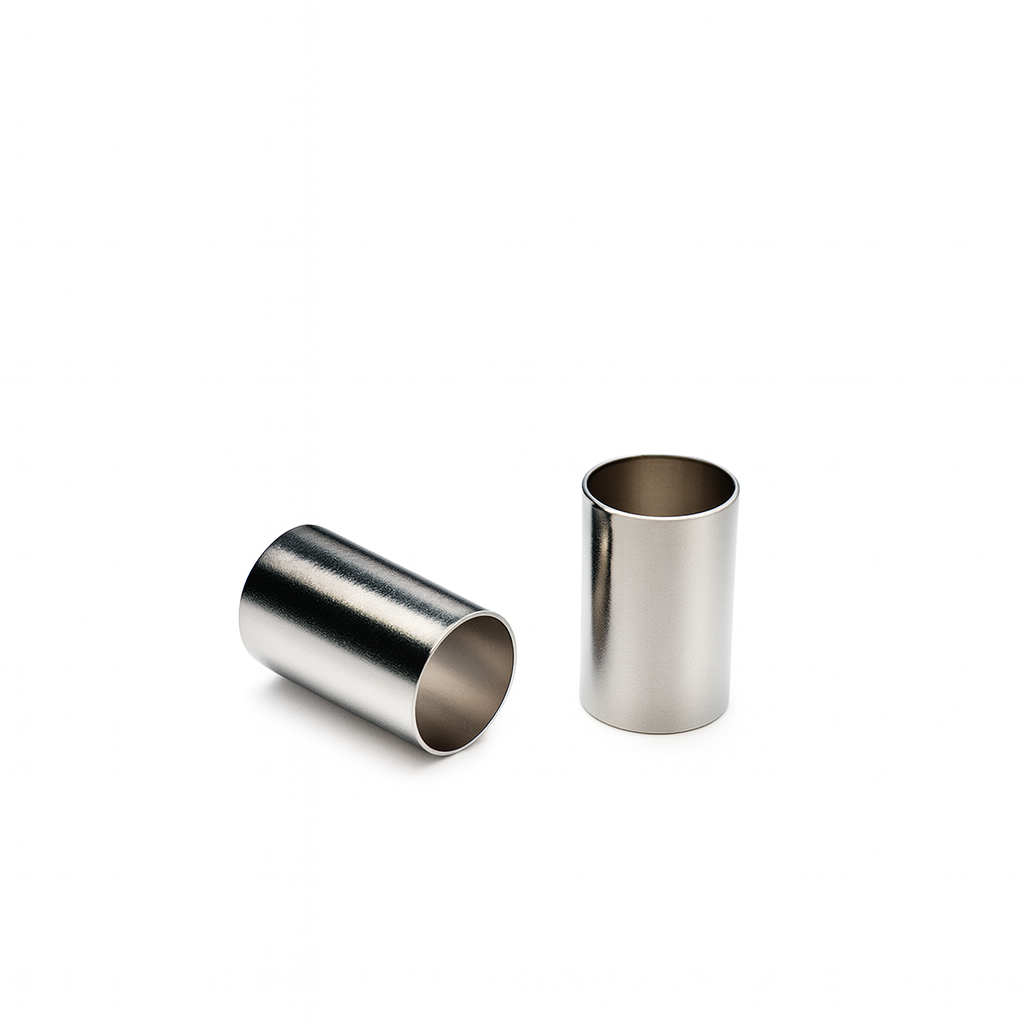
CNC 부품 부동태화 CNC 정밀 제조 표면 처리 기술
CNC 가공은 항공우주, 의료 기기, 자동차 및 전자 산업에서 고정밀 부품을 생산하는 핵심 기술입니다. 이러한 부품들은 극한 환경에서 작동해야 하며, 부식, 오염, 또는 마모로 인한 실패는 치명적일 수 있습니다. 여기서 부동태화(passivation) 과정은 부품의 표면을 보호하고 신뢰성을 높이는 중요한 역할을 합니다.
부동태화의 기본 개념과 과정
부동태화는 금속 표면에 얇은 산화층을 형성하여 부식에 대한 저항성을 강화하는 화학적 처리 과정입니다. 주로 스테인리스 스틸과 같은 철 기반 합금에서 사용되며, 알루미늄이나 티타늄 합금에도 적용됩니다. 이 과정은 금속의 자연적인 산화 현상을 인위적으로 촉진하여 안정적인 보호막을 만듭니다.
- 세척(Degreasing): CNC 가공 후 남아 있는 기름, 먼지, 또는 가공 잔여물을 제거합니다. 이는 표면 오염이 부동태층 형성을 방해할 수 있기 때문입니다.
- 산 침지(Acid Immersion): 질산(nitric acid) 또는 구연산(citric acid) 용액에 부품을 담가 자유 철(free iron)과 같은 오염물을 제거합니다. 이 단계에서 크롬 산화층(chromium oxide layer)이 형성되어 부식 방지 역할을 합니다.
- 헹굼(Rinsing): 중화와 세척을 통해 잔여 산을 제거합니다.
- 건조와 산화 촉진: 공기 중에서 자연적으로 산화층을 안정화합니다. 일부 경우 초음파 장비나 특정 첨가제를 사용해 산화 과정을 가속화합니다.
이 과정은 부품의 치수나 외관을 거의 변화시키지 않으며, 표면 두께는 보통 1-3 나노미터 정도로 얇습니다. 그러나 미세한 변수들이 결과에 큰 영향을 미치므로, 정밀 CNC 부품에서는 세밀한 제어가 필수입니다.
CNC 부품 제작 시 부동태화의 필요성
CNC 가공은 고속 절삭과 열 처리를 수반하므로, 부품 표면에 미세한 변형이나 오염이 발생합니다. 이러한 요소는 부식의 출발점이 될 수 있으며, 부동태화는 이를 방지합니다. 특히 고정밀 부품에서 부동태화는 부식 저항성을 10배 이상 향상시킬 수 있습니다.
- 재료 선택과 미세 구조 영향: 스테인리스 스틸(예: 316L 또는 304)은 크롬 함량이 10% 이상이어야 효과적인 부동태층을 형성합니다. 알루미늄 합금(A356 등)에서는 지르콘 기반 부동태화가 표면 거칠기에 따라 산화층 두께와 접착력을 변화시킵니다. 미세 구조적으로, 부동태화는 표면의 철-크롬 비율을 증가시켜 n-형 반도체 산화층을 형성합니다. 이는 전자 장벽을 만들어 추가 산화를 막지만, 과도한 알루미늄 첨가는 염소 이온과 결합해 피팅 부식을 가속화할 수 있습니다. 티타늄 첨가는 미세 구조 불균일성을 줄여 보호막을 더 균일하게 만듭니다.
- 표면 거칠기(Surface Roughness)의 역할: 표면 거칠기(Ra 값)가 낮을수록 부동태층의 두께와 접착력이 증가합니다. 예를 들어, Ra 100nm 미만의 매끄러운 표면은 염수 분무 테스트에서 부식 저항성이 2-3배 높아집니다. 거칠기가 높으면 산화층에 결함이 생겨 피팅 부식(pitting corrosion)이 발생할 위험이 커집니다. CNC 가공 후 연마나 전해 연마(electropolishing)를 통해 Ra 값을 0.1-0.5μm로 조정하는 것이 이상적입니다. 표면 거칠기가 증가할수록 개방 회로 전위(OCP)가 낮아지고 부식 전류 밀도가 높아져 재부동태화(re-passivation) 속도가 느려집니다.
- 처리 방법 선택: 질산 기반 부동태화는 강력한 오염 제거 효과를 보이지만, 환경 및 안전 문제로 구연산이 대안으로 부상하고 있습니다. 구연산은 저온(상온~120°F)에서 작동하며, 농도 4-10%로 사용 가능합니다. 티타늄이나 알루미늄 부품에서는 낮은 산 농도와 온도 제어가 미세 구조 손상을 방지합니다. 부동태화 후 사이클릭 편극 테스트(cyclic polarization test)를 통해 피팅 전위(pitting potential)를 확인해야 합니다.
- 잔여 응력과 열 영향: CNC 가공 중 발생한 잔여 응력은 부동태층 형성을 방해할 수 있습니다. 열 처리나 레이저 마킹 후 부동태화를 재실행하면 보호층이 재생성됩니다. 미세 구조 변화로 인해, 과도한 열은 크롬 고갈(chromium depletion)을 유발해 부식 저항성을 약화시킬 수 있습니다.
- 환경 및 산업별 고려: 항공우주 부품에서는 염수나 고온 환경에서 안정성을 위해 티타늄 첨가 합금을 사용합니다. 의료 기기에서는 생체 적합성을 위해 구연산 부동태화가 선호되며, 레이저 마킹 후에도 보호층을 유지합니다.
부동태화된 CNC 부품의 특징
부동태화는 CNC 부품의 정밀성을 유지하면서 보호 기능을 추가합니다.
- 치수 안정성: 부동태층이 매우 얇아(나노미터 수준) 부품의 공차(tolerance)를 변화시키지 않습니다. 이는 고정밀 부품(예: 의료 임플란트나 항공 엔진 부품)에서 중요합니다.
- 표면 특성 개선: 부동태화는 표면 경도를 높이고, 마찰을 줄여 마모 저항성을 향상시킵니다. 알루미늄 부품에서는 산화층이 가벼운 회색으로 변하며, 스테인리스 스틸은 은백색 광택을 유지합니다.
- 산업 적용: 항공우주에서는 부식 저항으로 인해 부품 수명이 연장되며, 의료 분야에서는 오염 위험을 최소화합니다. 자동차나 해양 부품에서는 염수 환경에서 우수한 성능을 발휘합니다.
- 공정 통합: CNC 가공 후 즉시 부동태화를 적용하면, 제작 효율성이 높아집니다. 예를 들어, 316L 스테인리스 스틸 부품은 가공 후 24시간 이내 처리하는 것이 최적입니다.
부동태화의 신뢰성
부동태화는 부식 저항성을 강화하여 장기적인 안정성을 보장합니다.
- 부식 저항성 강화: 보호 산화층은 염화물 이온이나 산성 환경에서 피팅과 균일 부식을 막습니다. 부동태화된 부품은 비처리 부품 대비 부식 속도가 5-10배 낮습니다. 재부동태화 능력이 우수해 표면 손상 시 자동으로 회복됩니다.
- 수명 연장과 비용 절감: 의료 기기에서 부동태화는 조직 거부 위험을 줄이고, 교체 빈도를 낮춥니다. 항공우주 부품에서는 고온 산화 저항성을 높여 안전성을 보장합니다.
- 생체 적합성과 안전성: 의료용 스테인리스 스틸에서 자유 철 제거는 오염을 방지하고, 생체 적합성을 향상시킵니다. 다층 필름 부동태화는 전력 반도체의 신뢰성을 높여 고전압 환경에서 안정성을 제공합니다.
- 환경 적합성: 구연산 기반 방법은 독성이 낮아 작업자 안전과 환경 보호에 유리합니다.
사이클릭 염수 분무 테스트에서 부동태화된 부품은 1000시간 이상 부식 없이 견딥니다.
| 항목 | 질산 기반 부동태화 | 구연산 기반 부동태화 |
|---|---|---|
| 주요 장점 | 강력한 오염 제거, 빠른 산화층 형성 | 환경 친화적, 저온 작동 가능, 안전성 높음 |
| 단점 | 독성 높음(헥사발렌트 크롬 가능), 폐기 어려움 | 처리 시간 길 수 있음 |
| 적합 재료 | 스테인리스 스틸, 티타늄 | 스테인리스 스틸, 알루미늄, 의료 기기 |
| 부식 저항성 | 우수(피팅 전위 높음) | 동등 또는 우수(결함 적음) |
| 미세 구조 영향 | 크롬 고갈 가능성 있음 | 미세 구조 보존 우수 |
| 비용 및 효율 | 고비용(환기 시스템 필요) | 저비용, 에너지 효율적 |
CNC 부품 부동태화는 단순한 표면 처리 이상으로, 미세 구조부터 전체 신뢰성까지 영향을 미치는 핵심 기술입니다. 표면 거칠기, 재료 선택, 처리 방법 등의 미세한 고려사항을 최적화하면 부품의 부식 저항성과 수명을 극대화할 수 있습니다. 특히 항공우주나 의료 분야에서 부동태화는 안전과 성능을 좌우하는 중요한 공정으로, 제품의 품질 경쟁력을 높이는 데에도 큰 역할을 합니다.
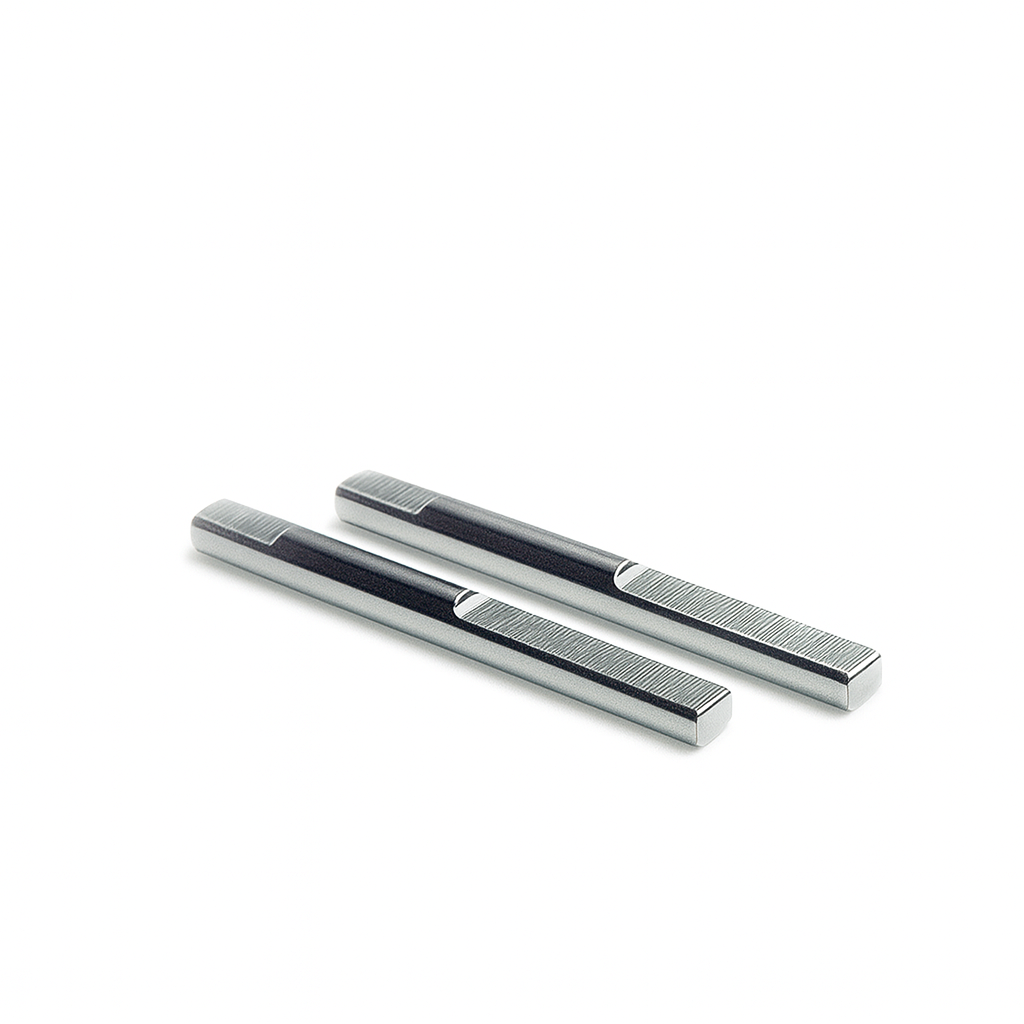
CNC Passivation — Surface Treatment Technology for Precision CNC Manufacturing
CNC machining is a core technology for producing high-precision parts for aerospace, medical devices, automotive, and electronics industries. These components must operate reliably in harsh environments, where failure due to corrosion, contamination, or wear can be critical. Passivation plays an essential role in protecting the surface of CNC-machined parts and improving long-term performance and reliability.
Basic Concept and Process of Passivation
Passivation is a chemical surface treatment that forms a thin oxide layer on the metal surface to enhance corrosion resistance. It is commonly applied to iron-based alloys such as stainless steel, but it is also used for aluminum and titanium alloys. The process accelerates the metal’s natural oxidation behavior to create a stable protective film.
Typical passivation workflow includes:
Degreasing / Cleaning: Removal of oils, debris, and machining residues that may inhibit oxide-film formation.
Acid Immersion: The parts are immersed in nitric or citric acid solutions to remove contaminants such as free iron. During this step, a chromium-oxide layer forms and acts as a corrosion barrier.
Rinsing & Neutralization: Residual acids are fully removed.
Drying & Oxide Stabilization: The oxide layer is stabilized in air. In some cases, ultrasonic equipment or additives are used to accelerate oxidation.
The passivation film is extremely thin, typically 1–3 nm, so dimensional changes and appearance effects are negligible. However, precise control is essential for high-precision CNC parts, as microscopic process variations may significantly affect results.
Why Passivation Is Essential for CNC-Machined Parts
High-speed cutting and thermal effects during CNC machining can introduce microscopic deformation and surface contamination, which may become initiation points for corrosion. Passivation prevents this and can improve corrosion resistance by up to 10× in precision components.
Key technical considerations
Material selection & microstructure effects: Stainless steels such as 316L and 304 require ≥10% chromium to form an effective passive layer. Aluminum alloys often benefit from zirconium-based passivation depending on surface roughness. Passivation increases the Fe–Cr ratio at the surface, forming an n-type semiconductor oxide layer that acts as an electron barrier against further oxidation.
Surface roughness: Lower Ra values improve oxide-film adhesion and thickness. Surfaces with Ra < 100 nm show 2–3× higher salt-spray corrosion resistance. Rougher surfaces increase pitting risk. Post-machining polishing or electropolishing to Ra 0.1–0.5 μm is ideal.
Process selection: Nitric acid offers strong contaminant removal but raises environmental and safety concerns. Citric acid is emerging as a safer alternative and operates at lower temperatures. Pitting potential is generally verified using cyclic polarization testing.
Residual stress & heat effects: Residual stress may inhibit film formation. Re-passivation after heat treatment or laser marking restores oxide protection. Excessive heat can cause chromium depletion, reducing corrosion resistance.
Application-specific considerations:
Aerospace requires high salt-spray and high-temperature stability.
Medical devices prefer citric-acid passivation for biocompatibility.
Characteristics of Passivated CNC Parts
Dimensional stability: The passive film is nanometer-scale, so tight tolerances remain unchanged.
Surface enhancement: Hardness and wear resistance improve while maintaining metallic appearance.
Industrial performance: Extended service life in aerospace, medical, automotive, and marine environments.
Process efficiency: Ideally applied within 24 hours after CNC machining for stainless-steel parts such as 316L.
Reliability Benefits of Passivation
Corrosion resistance: The oxide barrier prevents pitting and general corrosion in chloride and acidic environments. Corrosion rates are typically 5–10× lower than untreated parts.
Service-life extension & cost reduction: Reduces replacement frequency, improves safety in aerospace, and minimizes rejection risk in medical devices.
Biocompatibility & cleanliness: Removal of free iron increases biomedical safety.
Environmental compatibility: Citric-acid processes improve operator and environmental safety.
Salt-spray testing commonly demonstrates over 1,000 hours of corrosion-free performance when properly passivated.
Comparison of Nitric-Acid and Citric-Acid Passivation
| Category | Nitric-Acid Passivation | Citric-Acid Passivation |
|---|---|---|
| Main Advantages | Strong contaminant removal, rapid oxide formation | Environment-friendly, low-toxicity, safe operation, low-temperature capability |
| Limitations | Toxicity risk, waste disposal complexity, may form hexavalent chromium | Processing time may be longer |
| Suitable Materials | Stainless steel, titanium | Stainless steel, aluminum, medical-grade components |
| Corrosion Resistance | Excellent, high pitting potential | Equal or superior due to reduced defect formation |
| Microstructure Impact | Possible chromium depletion under harsh conditions | Preserves microstructure effectively |
| Cost & Efficiency | Higher cost due to ventilation and handling | Lower operational cost and improved energy efficiency |
Conclusion
Passivation of CNC-machined parts is far more than a simple surface treatment — it is a critical technology that influences microstructure stability and overall reliability. By optimizing parameters such as surface roughness, material selection, and treatment method, manufacturers can maximize corrosion resistance and service life. In sectors such as aerospace and medical devices, passivation is an indispensable process that directly impacts safety, performance, and product quality competitiveness.
추가 정보
CNC 가공 후 패시베이션은 “광택을 내는 표면처리”가 아니라, 스테인리스 표면의 자유 철(Free iron)과 오염을 줄이고 안정적인 수동피막 형성 조건을 맞추는 공정입니다. CNC 패시베이션은 세정-산처리-헹굼-건조의 흐름이 끊기면 오히려 변색, 얼룩, 국부 부식 리스크가 커질 수 있어 공정 체인으로 관리하는 편이 유리합니다.
핵심 포인트
- 패시베이션의 목적은 수동피막(Passive film) 안정화이며, 기계적 코팅층을 두껍게 만드는 공정이 아닙니다.
- CNC 절삭유, 연마제, 지문, 염분 잔류는 부식 개시점이 될 수 있어 전처리 세정이 핵심입니다.
- 산처리 후 헹굼 품질(수질, 시간, 잔류 이온)은 얼룩과 재오염 리스크를 좌우합니다.
- 미세 버, 흠집, 거칠기, 틈새 형상은 크리비스 부식 조건을 만들 수 있어 디버링과 표면 기준이 중요합니다.
- 열변색(열착색)이나 용접 스케일은 별도 처리 로직이 필요할 수 있어 적용 범위를 구분하는 편이 좋습니다.
- 검사는 “외관”만이 아니라 자유 철 테스트, 물때(워터브레이크) 성향, 변색 재발 여부로 확인하는 흐름이 유용합니다.
- 양산에서는 공정 능력보다 오염 재유입(취급/포장/건조) 관리가 분산을 크게 좌우하는 경우가 많습니다.
FAQ
패시베이션과 산세(피클링)는 같은 공정인가요?
둘 다 산을 사용하지만 목적과 강도가 달라질 수 있습니다. 패시베이션은 표면 오염과 자유 철을 줄여 수동피막 형성을 돕는 흐름이고, 산세는 스케일 제거 등 더 강한 표면 정리 목적이 포함될 수 있어 적용 조건을 구분하는 편이 좋습니다.
CNC 가공품에서 패시베이션을 하면 외관이 더 반짝이나요?
패시베이션은 외관 연마 공정이 아니므로 광택 개선이 주목적이 아닙니다. 다만 오염이 제거되면서 얼룩이 줄고 균일한 톤으로 보일 수는 있으나, 외관 목표가 있다면 별도의 표면 마감(연마/블라스팅 등)과 분리해 설계하는 편이 안정적입니다.
패시베이션 후에도 녹점(점부식)이 생기는 이유는 무엇인가요?
전처리 불량으로 절삭유·염분·연마제가 잔류하거나, 헹굼/건조 과정에서 재오염이 생기면 국부 부식이 먼저 나타날 수 있습니다. 또한 틈새 구조, 거친 표면, 미세 버 같은 형상 요인이 크리비스 조건을 만들면 부식 감수성이 올라갈 수 있습니다.
패시베이션은 어떤 재질에서 주로 적용되나요?
주로 스테인리스(예: 304, 316L 등)에서 적용되는 경우가 많습니다. 재질과 열이력, 표면 상태에 따라 공정 조건과 기대 효과가 달라질 수 있어 소재 등급과 사용 환경을 함께 정의하는 편이 좋습니다.
표면 거칠기(Ra)가 패시베이션 성능에 영향을 주나요?
거칠기가 커지면 오염 잔류와 미세 틈새가 늘어 부식 개시점이 증가할 수 있습니다. 특히 염화물 환경에서는 표면 결함이 피팅/크리비스 부식과 결합될 수 있어, 가공결 방향과 디버링 기준을 함께 관리하는 편이 유리합니다.
열변색(열착색) 부품도 패시베이션만 하면 충분한가요?
열변색은 산화 스케일과 크롬 고갈층이 동반될 수 있어, 단순 패시베이션만으로는 목표를 충족하지 못하는 경우가 있습니다. 적용 부위와 요구 환경에 따라 스케일 제거 흐름을 별도로 두고, 이후 패시베이션으로 마무리하는 방식이 검토될 수 있습니다.
패시베이션 후 헹굼과 건조가 왜 그렇게 중요하나요?
산 잔류나 이온 잔류는 얼룩, 변색, 국부 부식의 조건이 될 수 있습니다. 수질, 헹굼 단계 수, 건조 방식과 취급 과정의 재오염 가능성까지 포함해 공정을 연속 흐름으로 관리하는 편이 좋습니다.
검사는 어떤 항목을 우선 확인하는 편이 좋나요?
외관(얼룩/변색)과 함께 워터브레이크 성향, 자유 철 관련 확인, 일정 기간 후 재변색 여부를 함께 보는 흐름이 유용합니다. 고신뢰 부품은 사용 환경을 가정한 간이 내식 평가(조건화)를 추가해 공정 변동을 줄이는 방식이 검토될 수 있습니다.
관련 주제 확장
1) 패시베이션은 “세정 공정”에서 이미 승부가 갈립니다
패시베이션 품질의 분산은 산처리 조건보다 전처리 세정과 오염 관리에서 먼저 발생하는 경우가 많습니다. CNC 절삭유, 방청유, 폴리싱 컴파운드가 남아 있으면 산처리가 균일하게 작동하지 않을 수 있습니다. 따라서 세정 방법(알칼리/용제/초음파)과 헹굼 품질을 먼저 고정해 공정 체인을 안정화하는 편이 유리합니다.
2) 형상(틈새·버·흠집)이 부식 모드를 결정합니다
크리비스 부식은 틈새에서 산소 농도 차가 생기며 진행될 수 있어, 구조 자체가 리스크를 만들 수 있습니다. 미세 버와 흠집은 오염을 잡아두고 국부 부식의 개시점으로 작동할 수 있습니다. 고신뢰 목적이라면 디버링 기준과 표면 거칠기 기준을 패시베이션과 한 세트로 정의하는 편이 좋습니다.
3) 공정 조건보다 중요한 “재오염 방지”
산처리 후 취급 과정에서 지문, 먼지, 수분, 염분이 다시 묻으면 패시베이션 효과가 불안정해질 수 있습니다. 건조 후 포장 방식, 작업장 환경, 보관 조건이 외관과 내식 성능 분산을 키울 수 있습니다. 양산에서는 공정 자체보다 공정 이후의 취급 표준이 품질을 좌우하는 경우가 많습니다.
4) 기준을 문장으로 정의하면 검사와 납품이 빨라집니다
“패시베이션 완료”를 외관 기준만으로 정의하면 분쟁이 생기기 쉬울 수 있습니다. 적용 부위, 허용 얼룩 수준, 재변색 허용 여부, 세정/헹굼/건조 기준을 도면 또는 품질 문서로 정리하면 판단 기준이 명확해집니다. 결과적으로 양산에서 불필요한 재처리와 리드타임 변동을 줄이는 데 도움이 됩니다.
CNC 가공 후 표면처리 흐름을 확장해 정리하려면 CNC 정밀 가공 페이지의 공차·표면 기준과 함께 읽는 방식이 유용합니다. 검사 항목과 판정 기준은 품질기준 페이지의 측정·판정 흐름과 연결해 구성하면 문맥이 더 선명해집니다.