
CNC 선삭가공과 밀링가공의 기준 차이
CNC 선삭가공 밀링가공은 모두 절삭 공정이지만 품질을 만드는 기준이 다릅니다. 선삭은 공작물이 회전하고 공구가 축 방향 또는 반경 방향으로 이동하면서 외경, 내경, 단차, 홈, 테이퍼, 나사와 같은 축대칭 형상을 만듭니다. 밀링은 공구가 회전하고 공작물 또는 공구가 여러 축으로 이동하면서 평면, 포켓, 슬롯, 홀 패턴, 복합 자유곡면을 만듭니다.
선삭 품질은 회전축, 척킹 기준, 심압대 지지, 공구 돌출, 절삭 저항, 소재 편심에 크게 영향을 받습니다. 밀링 품질은 클램핑 기준면, 공구 경로, 공구 처짐, 절삭 방향, 가공 순서, 열 변형에 좌우됩니다. 같은 정밀가공이라도 어떤 면을 먼저 만들고 어떤 기준으로 다시 잡는지에 따라 최종 치수와 위치 관계가 달라집니다.
복합 부품에서는 선삭과 밀링을 단순히 나누어 생각하면 품질이 흐트러질 수 있습니다. 원통 외경과 밀링 포켓, 축 중심 홀과 측면 탭, 회전 기준면과 평면 기준면이 서로 연결될 때는 공정 순서와 재클램핑 오차가 핵심입니다. 정밀 부품의 품질은 개별 치수보다 기준 연결의 일관성에서 결정됩니다.
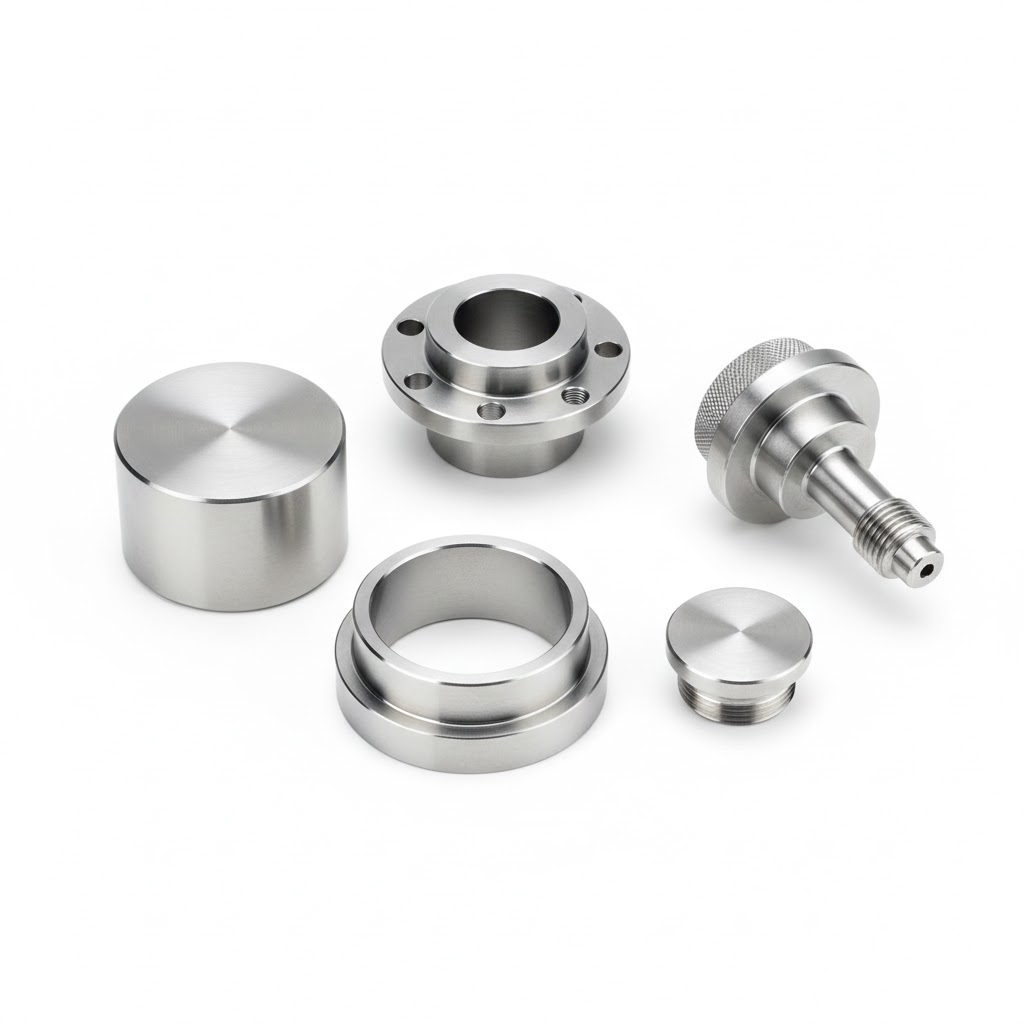
선삭가공의 축 기준과 표면 품질
선삭은 원통형 부품에서 매우 강한 공정입니다. 공작물이 회전하므로 외경과 내경의 동심도, 원형도, 단차 길이, 나사산, 홈 가공을 효율적으로 만들 수 있습니다. 그러나 공작물 고정이 불안정하거나 소재가 길고 가늘면 진동, 휨, chatter가 발생해 표면 거칠기와 치수 반복성이 떨어질 수 있습니다.
선삭에서 표면 거칠기는 이송, 공구 노즈 R, 절삭속도, 절삭 깊이, 소재 경도, 절삭유 조건에 영향을 받습니다. 높은 생산성을 위해 이송을 키우면 가공 시간은 줄지만 표면 피치가 커질 수 있고, 너무 낮은 이송은 마찰과 built-up edge를 만들 수 있습니다. 공구 선택은 치수 정밀도와 표면 안정성을 동시에 고려해야 합니다.
축 기준이 중요한 부품에서는 한 번의 척킹 안에서 가능한 많은 기능면을 완성하는 것이 유리합니다. 재클램핑이 들어가면 외경과 내경, 단차면과 측면 홀 사이의 기준 관계가 흔들릴 수 있습니다. 따라서 선삭 후 밀링이 필요한 부품은 회전 기준을 어떻게 보존할지 먼저 결정해야 합니다.
회전축과 기준면의 연결
선삭은 공작물 회전축을 기준으로 원통면과 동심도를 만들고, 밀링은 공구 경로와 기준면을 기준으로 평면·포켓·홀·복합 형상을 만듭니다. 복합 부품은 두 기준이 충돌하지 않도록 공정 순서를 잡아야 합니다.
밀링가공의 평면 기준과 공구 경로
밀링은 평면과 다면 형상, 포켓, 슬롯, 장공, 탭 위치, 복잡한 3차원 형상을 만드는 데 유리합니다. 그러나 밀링 품질은 클램핑 기준과 공구 경로에 민감합니다. 같은 공구와 같은 좌표를 사용해도 절삭 방향, step-over, step-down, 코너 진입 방식, 잔삭 경로에 따라 표면 거칠기와 모서리 품질이 달라질 수 있습니다.
밀링에서 공구 처짐은 위치도와 형상 오차를 만들 수 있습니다. 깊은 포켓, 긴 공구, 얇은 벽, 난삭재에서는 절삭력이 공구를 밀고, 가공면이 의도한 위치에서 벗어날 수 있습니다. 거친 가공과 정삭 가공의 여유, 공구 진입·퇴출, 코너 감속, 열 변형 보정이 함께 설계되어야 합니다.
복합가공 장비에서는 선삭과 밀링을 한 장비에서 이어갈 수 있어 기준 전환 오차를 줄일 수 있습니다. 다만 복합가공이 항상 더 좋은 것은 아닙니다. 부품 형상, 물량, 공차, 표면 품질, 검사 기준, 공구 접근성에 따라 선반과 머시닝센터를 분리하는 편이 유리한 경우도 있습니다.
CNC 선삭·밀링 공정 선택 매트릭스
선삭과 밀링은 우열이 아니라 기준과 기능이 다른 공정입니다. 아래 기준은 복합 부품의 공정 순서와 품질 기준을 잡을 때 함께 검토해야 하는 항목입니다.
| 관리 항목 | 품질 영향 | 취약 조건 | 검사 기준 | 보정 방향 |
|---|---|---|---|---|
| 회전축 기준 | 외경, 내경, 단차, 동심도, 원형도 품질을 좌우합니다. | 편심 척킹, 장척재 휨, 공구 진동 | 동심도, 원형도, 런아웃, 표면 거칠기 | 척킹 기준, 심압대, 공구 돌출, 절삭 조건 조정 |
| 평면 기준 | 포켓, 슬롯, 탭 위치, 조립 기준면의 위치 관계를 만듭니다. | 클램핑 변형, 기준면 오염, 재세팅 오차 | 평면도, 위치도, 직각도, 포켓 치수 | 지그 기준, 가공 순서, 정삭 여유 조정 |
| 표면 품질 | 마찰, 씰링, 베어링, 조립 감각에 영향을 줍니다. | 공구 마모, 이송 과다, chatter, 칩 재절삭 | Ra, Rz, 공구 자국, 모서리 상태 | 공구 노즈 R, step-over, 절삭유, 정삭 조건 보정 |
| 공정 순서 | 기준 연결과 재클램핑 오차를 결정합니다. | 선삭 후 기준 손실, 밀링 후 변형, 열 변형 | 기준면 추적, CMM, 조립 게이지 | 한 번 척킹 완성, 기준면 보존, 중간 검사 |
| 복합가공 적합성 | 셋업 수와 기준 전환 오차를 줄일 수 있습니다. | 공구 접근 제한, 긴 사이클, 검사 난도 | 공정 시간, 기준 오차, 표면 요구 | 장비 선택, 공정 분리, 치수 우선순위 설정 |
기능면 중심의 공정 설계
정밀 부품의 공정 설계는 어떤 장비를 사용할지보다 어떤 면이 기능면인지 먼저 정의해야 합니다. 베어링이 들어가는 내경, 씰이 닿는 외경, 볼트가 체결되는 평면, 핀이 위치를 잡는 홀은 각각 다른 품질 기준을 요구합니다. 선삭과 밀링은 이 기능면을 어떤 기준으로 연결할지 결정하는 수단입니다.
축대칭 부품에 일부 평면이나 탭만 필요하다면 선삭을 중심 공정으로 두고 보조 밀링을 계획하는 편이 안정적일 수 있습니다. 반대로 박스형 부품에 원형 보스나 정밀 홀만 필요한 경우에는 밀링 기준을 중심으로 잡고 보링 또는 선삭성 공정을 보완할 수 있습니다. 중요한 것은 최종 조립에서 서로 맞물리는 기준을 끝까지 잃지 않는 것입니다.
검사 기준도 공정 방식에 맞게 구성되어야 합니다. 선삭 부품은 런아웃과 동심도, 밀링 부품은 위치도와 평면도, 복합 부품은 두 기준 사이의 상호 관계를 중심으로 확인해야 합니다. 도면 치수가 모두 같아도 검사 기준이 다르면 실제 품질 판단은 달라질 수 있습니다.
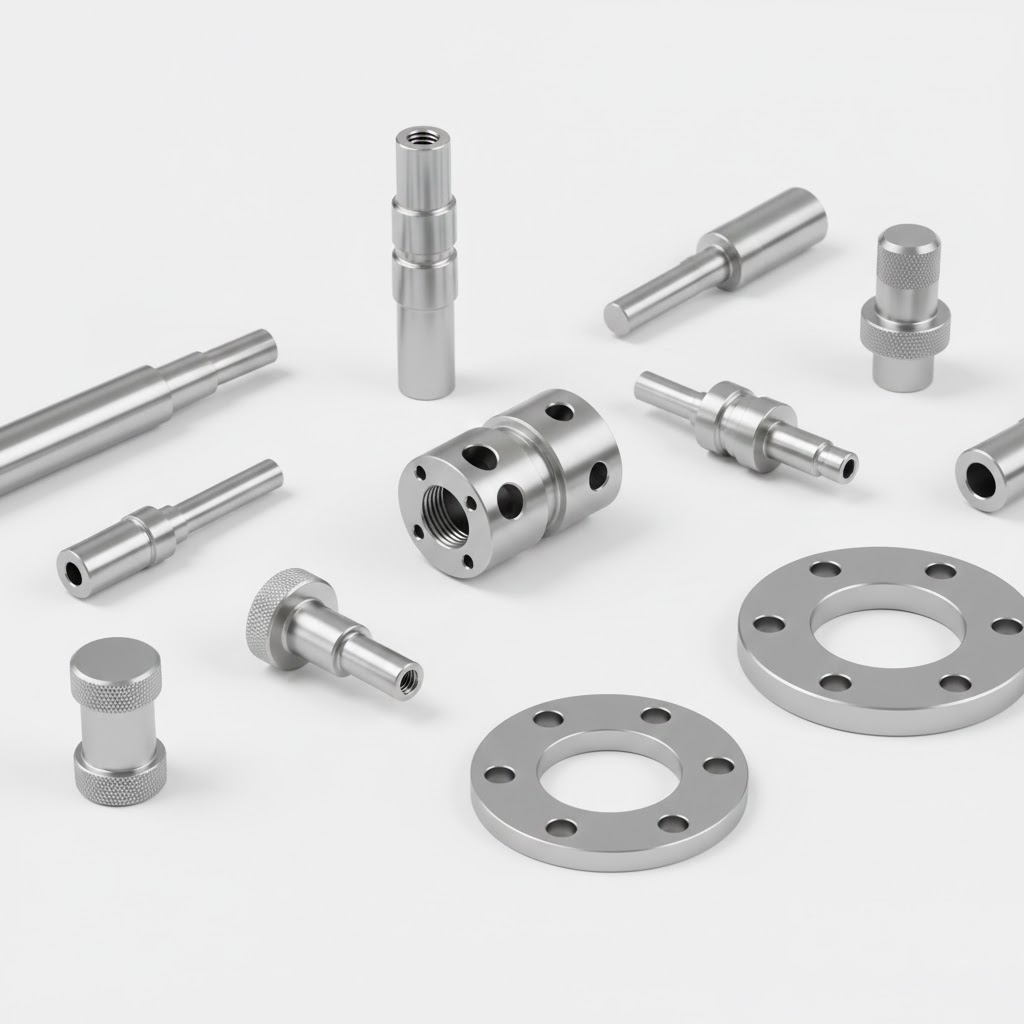
English Technical Note
CNC Turning and Milling
CNC turning and CNC milling are both material removal processes, but they create precision through different reference systems. Turning uses the rotating workpiece axis to produce cylindrical surfaces, bores, steps, grooves, tapers, and threads. Milling uses rotating cutting tools and controlled tool paths to produce planes, pockets, slots, hole patterns, and complex features.
Turning quality is strongly linked to spindle axis, workholding, runout, tool nose radius, cutting speed, feed, and workpiece stiffness. Milling quality is linked to datum setup, clamping rigidity, tool deflection, cutting direction, toolpath strategy, and thermal deformation.
Process Planning for Functional Surfaces
For hybrid parts, turning and milling should be planned around functional surfaces rather than around machine categories. A bore used for bearing alignment, an outer diameter used for sealing, a milled face used for mounting, and a tapped hole used for fastening all require different tolerance priorities.
When the turning axis and milling datum must be connected, setup order and datum preservation become critical. Reducing reclamping errors, protecting the primary datum, and sequencing roughing and finishing operations are central to precision machining quality.
Inspection Criteria
Turning inspection often focuses on concentricity, roundness, runout, diameter, and surface finish. Milling inspection often focuses on flatness, perpendicularity, position, pocket geometry, and edge condition. Hybrid parts require inspection of the relationship between rotational and planar datums.
추가 정보
CNC 선삭가공 밀링가공 요약
CNC 선삭가공과 밀링가공은 회전축과 평면 기준을 각각 중심으로 하는 정밀가공 공정입니다. 복합 부품은 두 기준을 어떻게 연결하고 어떤 순서로 가공하는지가 품질을 좌우합니다.
핵심 포인트
- 선삭은 동심도, 원형도, 외경·내경 품질에 강점이 있습니다.
- 밀링은 평면, 포켓, 슬롯, 홀 패턴, 복합 형상에 강점이 있습니다.
- 복합 부품에서는 공정 순서와 재클램핑 오차가 핵심 품질 변수입니다.
- 기능면 기준을 먼저 정의해야 공정 선택이 명확해집니다.
- 검사 기준은 회전축과 평면 기준의 관계까지 포함해야 합니다.
FAQ
CNC 선삭가공과 밀링가공의 가장 큰 차이는 무엇입니까?
선삭은 공작물 회전축을 기준으로 원통 형상을 만들고, 밀링은 공구 경로와 기준면을 기준으로 평면과 복합 형상을 만듭니다.
복합 부품은 선삭을 먼저 해야 합니까?
부품 기능면에 따라 달라집니다. 회전축이 핵심 기준이면 선삭을 먼저 잡는 경우가 많고, 평면 기준이 중요하면 밀링 기준을 먼저 잡을 수 있습니다.
선삭가공에서 표면 거칠기는 무엇에 영향을 받습니까?
이송, 공구 노즈 R, 절삭속도, 절삭 깊이, 공구 마모, 소재 조건, 진동에 영향을 받습니다.
밀링가공에서 위치도 오차가 생기는 이유는 무엇입니까?
클램핑 변형, 공구 처짐, 기준면 오염, 열 변형, 공구 경로와 정삭 여유 설정이 주요 원인입니다.
내부 링크
CNC 선삭가공과 밀링가공은 cnc정밀가공부품의 핵심 공정입니다. 구조 체결 부품은 구조연결용 부품, 관련 기술 흐름은 인사이트에서 함께 확인할 수 있습니다.
관련 키워드
CNC 선삭가공CNC 밀링가공CNC선반밀링가공정밀가공기준면CNC turningCNC millingmachining datumsurface finishconcentricitytoolpath