
초경합금 고주파 유도 브레이징의 접합 조건
초경합금 고주파 유도 브레이징은 WC-Co 계열 초경합금과 강재 몸체를 은계 또는 특수 필러 금속으로 접합하는 공정입니다. 초경합금은 높은 경도와 내마모성을 갖지만 취성이 크고, 강재는 상대적으로 연성이 높으며 열팽창 거동이 다릅니다. 이 차이가 브레이징 후 잔류응력과 균열 민감도를 만듭니다.
고주파 유도 가열은 접합부를 빠르게 국부 가열할 수 있어 공구 팁, 초경 인서트, wear part, 절삭 부품 접합에 유용합니다. 그러나 열 입력이 빠른 만큼 온도 구배도 커질 수 있습니다. 초경과 강재가 균일하게 브레이징 온도에 도달하지 못하면 필러 유동, 젖음성, 응력 분포가 흔들립니다.
초경 브레이징 품질은 필러 금속의 젖음성, 조인트 간극, 초경 표면 상태, preheat, 유지 시간, 냉각 속도, 필러층 두께를 함께 맞추어야 합니다. 붙었다는 외관보다 접합층 내부와 냉각 후 응력 상태가 더 중요합니다.
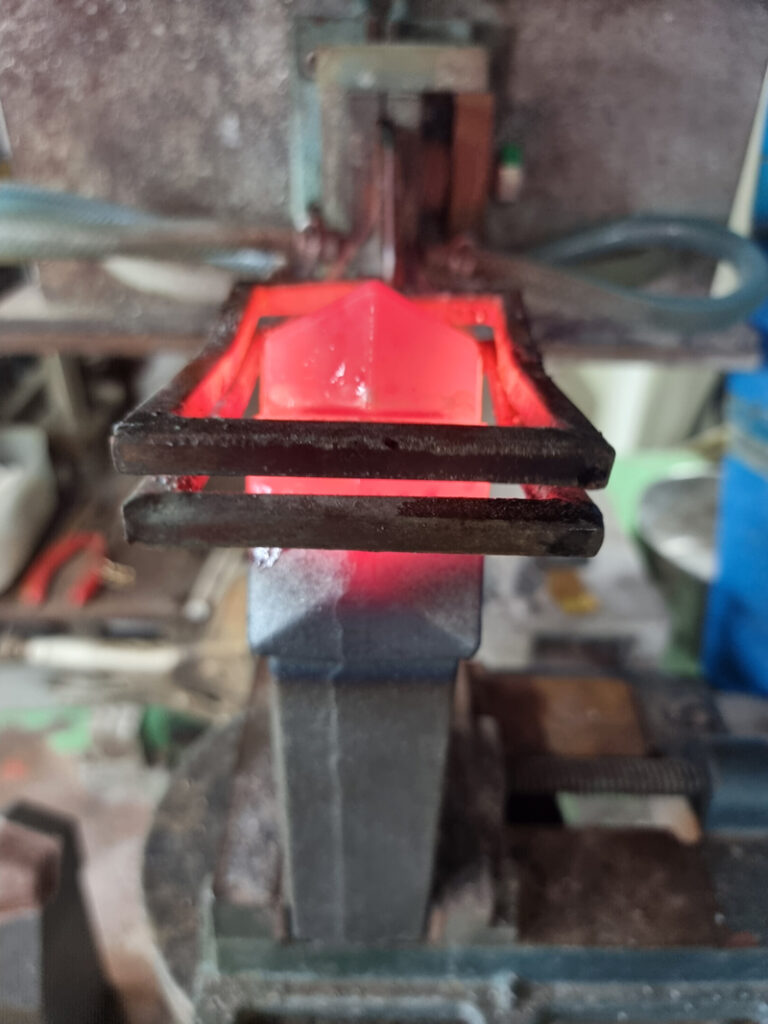
잔류응력과 필러층 설계
초경합금과 강재는 냉각 과정에서 수축량이 다릅니다. 강재가 더 많이 수축하려 하고 초경은 상대적으로 덜 변형되기 때문에 접합 계면에는 인장·전단 응력이 남을 수 있습니다. 초경은 압축에는 강하지만 인장과 충격에는 취약하므로, 잔류 인장응력이 높으면 균열과 chipping 위험이 커질 수 있습니다.
필러층은 단순 접착층이 아니라 응력을 완화하는 중간층입니다. 은계 필러는 젖음성과 연성이 좋아 초경-강재 접합에 널리 사용되지만, 필러 두께가 너무 얇으면 응력 완화 능력이 부족할 수 있고 너무 두꺼우면 강도와 치수 안정성이 떨어질 수 있습니다. Cu interlayer나 sandwich filler는 열팽창 차이를 완화하기 위한 선택지가 될 수 있습니다.
표면처리도 중요합니다. 초경 표면의 binder 상태, 산화막, 연마 흔적, loose carbide grain, 오염은 필러 젖음성을 떨어뜨릴 수 있습니다. 강재 표면 역시 산화, scale, 유분, 거칠기, 가공 변형을 관리해야 합니다.
초경합금 브레이징의 잔류응력과 필러층 구조
초경합금과 강재는 열팽창과 탄성 특성이 크게 달라 브레이징 후 잔류응력이 남기 쉽습니다. 고주파 유도 가열에서는 국부 열 입력, 필러 두께, 냉각 속도, 계면 젖음성을 함께 관리해야 합니다.
유도 가열과 냉각 조건의 균형
고주파 유도 가열에서는 코일 형상과 결합 거리, 주파수, 출력, 가열 시간이 접합 온도를 결정합니다. 초경과 강재는 전자기적·열적 특성이 다르기 때문에 한쪽만 과열되거나 한쪽은 충분히 가열되지 않을 수 있습니다. 필러가 녹더라도 모재 표면이 충분히 젖지 않으면 내부 미접합과 void가 남을 수 있습니다.
가열 속도가 너무 빠르면 표면은 온도에 도달했지만 내부 온도는 충분히 균일하지 않을 수 있습니다. 반대로 과도한 유지 시간은 grain growth, 산화, 필러 과유동, 취성 계면을 만들 수 있습니다. 초경 브레이징에서는 짧고 강한 열 입력보다 온도 균일성과 필러 흐름을 확인할 수 있는 열 사이클이 중요합니다.
냉각은 접합 품질의 마지막 단계입니다. 급랭은 잔류응력과 균열 위험을 높이고, 지나치게 느린 냉각은 생산성과 조직 안정성에 영향을 줄 수 있습니다. 냉각 지그, 단열, 후열, 공기 흐름은 모두 초경 파손과 계면 안정성에 연결됩니다.
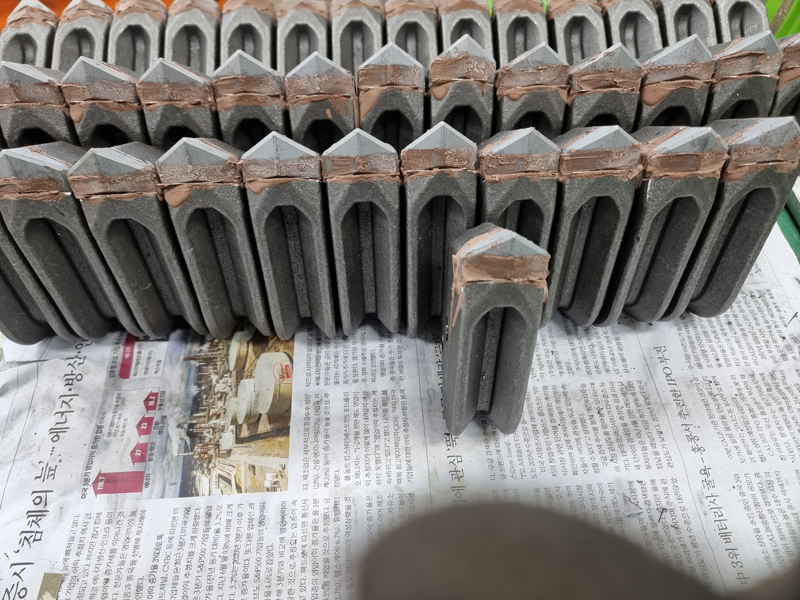
초경합금 브레이징 품질 변수 매트릭스
초경합금 브레이징은 접합 강도뿐 아니라 잔류응력과 균열 안정성을 함께 봐야 합니다. 아래 기준은 필러층, 가열 조건, 냉각 조건을 연결한 항목입니다.
| 관리 항목 | 품질 영향 | 취약 조건 | 검사 기준 |
|---|---|---|---|
| 필러 금속 | 젖음성, 강도, 응력 완화 능력을 결정합니다. | 모재 부적합, 과도한 액상선, brittle phase | 필러 조성, 고상선·액상선, 단면 |
| 조인트 간극 | 필러 유동과 계면 충진을 좌우합니다. | 과대 간극, 과소 간극, 열팽창 미고려 | 상온 간극, 단면 void, 충진율 |
| 초경 표면 | 필러 젖음성과 계면 결합을 결정합니다. | loose grain, 산화, binder 손상, 오염 | 표면 관찰, 세척, wetting 흔적 |
| 유도 가열 | 접합 온도 균일성과 열 영향 범위를 만듭니다. | 한쪽 과열, 내부 미가열, coil 위치 편차 | 온도 profile, 열화상, 반복성 |
| 잔류응력 | 초경 균열과 chipping 위험을 좌우합니다. | 열팽창 차이, 얇은 필러층, 급랭 | 균열 검사, 파단면, 굽힘·전단 |
| 냉각 조건 | 계면 안정성과 변형, 균열 발생을 바꿉니다. | 급랭, 지그 구속, 불균일 냉각 | 냉각 곡선, 변형, 후검사 |
초경 브레이징은 공구 수명과 직접 연결됩니다
초경합금 브레이징 접합부는 사용 중 반복 충격, 절삭열, 마찰, 진동을 받습니다. 접합층에 void가 있거나 응력이 높으면 초기 강도 시험에서는 통과해도 실제 사용 중 균열이 진행될 수 있습니다. 특히 공구 팁 접합에서는 작은 균열이 chipping으로 이어질 수 있습니다.
품질 검사는 외관보다 단면과 기능 시험을 중시해야 합니다. 필러 충진율, wetting line, 계면 void, 초경 균열, 강재 변형, 필러 과유동, 산화 잔사를 함께 확인해야 합니다. 전단 시험과 굽힘 시험은 사용 방향에 맞게 해석해야 합니다.
고주파 유도 브레이징의 장점은 반복성과 국부 가열입니다. 이 장점을 살리기 위해서는 작업자 감각보다 코일 위치, 출력, 시간, preheat, 냉각 조건, 필러 로트, 표면 세척 조건을 기록 가능한 변수로 관리해야 합니다.
English Technical Note
Induction Brazing of Cemented Carbide
Induction brazing of cemented carbide joins WC-Co based carbide to a steel body using a silver-based or specialty filler metal. The process must manage wetting, joint clearance, filler thickness, heating uniformity, and residual stress caused by thermal expansion mismatch.
Cemented carbide has high hardness and wear resistance but limited tolerance to tensile stress and impact. Steel contracts differently during cooling, which can leave complex stress states at the joint and increase cracking or chipping risk.
Filler Layer, Surface Condition, and Cooling
The filler layer is not only a bonding medium; it also helps accommodate stress. Filler composition, thickness, interlayer design, carbide surface preparation, steel surface cleanliness, and heating profile strongly influence joint quality.
Inspection should include cross-section fill, voids, wetting behavior, carbide cracks, residual stress indicators, shear or bending performance, cooling conditions, and repeatability of induction heating. Reliable carbide brazing requires coordinated control of thermal cycle, joint design, and surface condition.
추가 정보
초경합금 고주파 유도 브레이징 요약
초경합금 고주파 유도 브레이징은 WC-Co와 강재의 열팽창 차이, 은계 필러, 조인트 간극, 젖음성, 잔류응력, 냉각 조건을 함께 관리해야 하는 금속접합 공정입니다.
핵심 포인트
- 초경과 강재의 열팽창 차이가 잔류응력을 만듭니다.
- 필러층은 접합과 응력 완화를 동시에 담당합니다.
- 초경 표면 상태와 세척은 젖음성에 직접 영향을 줍니다.
- 유도 가열은 코일 위치와 출력 반복성이 중요합니다.
- 급랭과 국부 과열은 초경 균열 위험을 키울 수 있습니다.
FAQ
초경합금 브레이징에서 잔류응력이 중요한 이유는 무엇입니까?
초경합금과 강재의 열팽창 차이 때문에 냉각 후 접합부에 응력이 남을 수 있습니다. 이 응력은 균열과 chipping 위험을 높일 수 있습니다.
고주파 유도 가열은 초경 브레이징에 왜 사용됩니까?
접합부를 빠르고 국부적으로 가열할 수 있어 반복성과 생산성이 좋습니다. 다만 온도 균일성과 냉각 조건을 관리해야 합니다.
초경 브레이징에서 필러층은 어떤 역할을 합니까?
필러층은 금속학적 접합을 만들고, 초경과 강재 사이의 열팽창 차이에서 생기는 응력을 일부 완화합니다.
초경합금 브레이징 검사는 무엇을 봐야 합니까?
단면 충진, void, 젖음성, 초경 균열, 계면 상태, 전단 또는 굽힘 강도, 냉각 후 변형을 함께 확인해야 합니다.
내부 링크
초경합금 고주파 유도 브레이징은 브레이징 및 금속접합소재 항목과 직접 연결됩니다. 접합 후 정밀 치수 관리가 필요한 부품은 cnc정밀가공부품, 관련 기술 글은 인사이트에서 함께 확인할 수 있습니다.
관련 키워드
초경합금 고주파 유도 브레이징브레이징고주파유도브레이징금속접합초경합금잔류응력cemented carbide brazinginduction brazingsilver fillerresidual stressWC-Cojoint clearance