
전기 접점 재료는 조성과 제조 이력이 함께 성능을 만듭니다
전기 접점 재료 제조는 단순히 은, 구리, 금속산화물의 성분표를 맞추는 공정이 아닙니다. 접점은 전류를 통과시키는 동시에 개폐 순간의 아크, 접점 충돌, 금속 전이, 산화막, 온도 상승을 견뎌야 하므로 조성, 미세조직, 계면 접합, 표면 상태가 함께 설계되어야 합니다.
은계 접점 소재는 높은 전기전도도와 열전도도를 바탕으로 스위치, 릴레이, 차단기, 온도 조절기, 전장 부품에 널리 사용됩니다. 그러나 순은만으로는 용착, 아크 침식, 마모, 표면막 안정성의 균형을 맞추기 어렵습니다. 이 때문에 AgCdO, AgSnO2, AgNi, AgW, AgCu 계열처럼 은 matrix에 산화물 또는 다른 금속상을 분산시키는 방식이 사용됩니다.
접점 재료의 품질은 최종 외관보다 내부 균일성에서 결정되는 경우가 많습니다. 산화물 입자가 한쪽으로 몰리거나 기공이 남거나 접합 계면에 결함이 생기면 초기에는 정상으로 보여도 반복 개폐 후 접촉저항 drift와 국부 침식이 커질 수 있습니다.
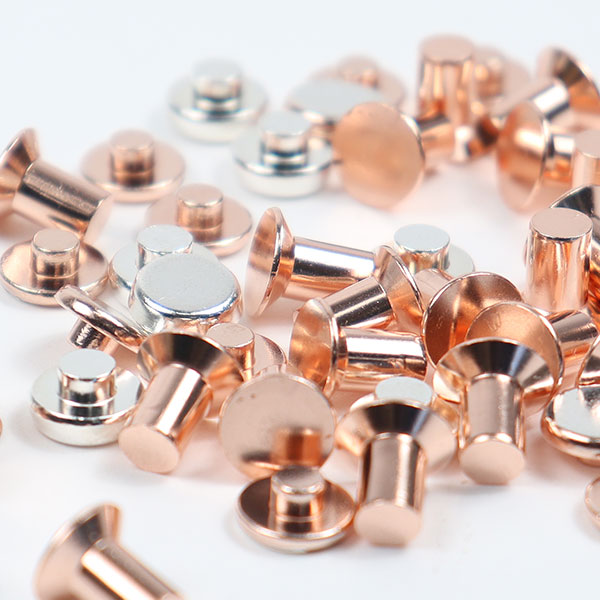
내부산화와 분말야금의 품질 차이
은-금속산화물 접점 재료는 제조 방식에 따라 미세조직이 크게 달라집니다. 내부산화는 은 합금 내부의 산화 가능한 원소를 선택적으로 산화시켜 산화물 분산상을 형성하는 방식입니다. 이 방법은 산화물 입자의 결합성과 분산 균일성을 확보하기 유리하지만, 산화 깊이와 잔류 금속상, 취성 증가를 관리해야 합니다.
분말야금은 은 분말과 산화물 또는 다른 기능성 분말을 배합하고 압축·소결하여 재료를 만드는 방식입니다. 조성 선택 폭이 넓고 난용성 phase를 넣기 유리하지만, 분말 입도, 혼합 균일성, 소결 밀도, 기공, 산화물 응집을 엄격히 관리해야 합니다. 같은 조성이라도 분말 크기와 소결 조건이 다르면 접점 수명이 달라질 수 있습니다.
접점층을 베이스 금속과 결합하는 공정도 중요합니다. 브레이징, 클래딩, 리벳팅, 압접, 소결 접합 방식에 따라 계면 열전도, 기계적 지지, 반복 충격 저항이 달라집니다. 접점 팁의 성능이 좋아도 계면이 약하면 실제 부품 수명은 짧아질 수 있습니다.
접점 재료 제조와 미세조직 형성 경로
전기 접점 재료는 합금명만으로 성능이 결정되지 않습니다. 산화물 분산, 내부산화 깊이, 분말 입도, 소결 밀도, 접합층 건전성이 접촉저항과 아크 수명으로 연결됩니다.
접점 재료 선택은 부하 조건에서 시작합니다
접점 소재는 고정된 우열로 선택하기 어렵습니다. 낮은 전류와 신호용 접점에서는 표면막 안정성과 저접촉하중에서의 전도성이 중요하고, 중부하 스위칭에서는 아크 침식과 용착 저항이 중요합니다. 고전류 접점에서는 열전도, 접촉저항, 접점 면압, 기계적 지지 구조가 함께 요구됩니다.
AgCdO는 오랫동안 중부하 접점에서 사용되어 왔지만 환경 규제와 대체 소재 요구가 큽니다. AgSnO2 계열은 용착 저항과 아크 침식 측면에서 유리한 조건이 있으나, 산화물 분산과 가공성, 접촉저항 안정성을 제조 공정에서 세밀하게 맞추어야 합니다. AgNi 계열은 비교적 안정적인 접촉 특성을 가지지만 고에너지 아크 조건에서는 별도의 검토가 필요합니다.
재료 제조의 목표는 특정 성분을 많이 넣는 것이 아니라, 부하 조건에 맞는 기능 균형을 만드는 것입니다. 전도성, 경도, 용착 저항, 아크 침식 저항, 마모 저항, 가공성, 접합성, 규제 조건은 서로 상충할 수 있으므로, 접점 재료는 공정·조성·시험 조건을 하나의 체계로 보아야 합니다.
전기 접점 재료 제조 품질 변수 매트릭스
접점 재료 품질은 합금명만으로 결정되지 않습니다. 아래 기준은 소재 제조, 접합, 스위칭 성능을 연결해 판단하기 위한 항목입니다.
| 관리 항목 | 품질 영향 | 취약 조건 | 검사 기준 |
|---|---|---|---|
| 산화물 분산 | 아크 침식, 용착 저항, 접촉저항 drift를 좌우합니다. | 응집, 편석, 입자 크기 불균일 | 미세조직, SEM, 조성 mapping |
| 소결 밀도 | 열전도와 전류 경로의 균일성에 영향을 줍니다. | 기공, 불완전 소결, 균열, 잔류 산화물 | 밀도, 단면, 경도, 전도도 |
| 내부산화 깊이 | 접점층 내부의 산화물 형성과 취성 균형을 만듭니다. | 산화 부족, 과산화, 표층·중심부 편차 | 단면 조직, 산화 깊이, 경도 분포 |
| 접합 계면 | 반복 충격과 열전달 안정성을 결정합니다. | 브레이징 void, 클래딩 박리, 리벳 체결 불량 | 박리, 전단, 단면, 초음파 |
| 표면 상태 | 초기 접촉저항과 표면막 성장에 영향을 줍니다. | 오염, 연마흔, 산화, 황화, 세척 불량 | 외관, 거칠기, 접촉저항 |
| 스위칭 수명 | 실제 부하에서 재료와 공정의 적합성을 보여줍니다. | 부하 조건 불일치, 아크 에너지 과다, 온도 상승 | 반복 개폐, 용착률, 저항 변화 |
미세조직 균일성은 접촉저항의 장기 안정성으로 이어집니다
전기 접점 재료에서 미세조직은 전류와 열이 흐르는 내부 지도를 만듭니다. 은 matrix가 연속적인 전도 경로를 형성하고, 산화물 또는 강화 phase가 적절히 분산되어야 아크 손상과 용착을 줄이면서도 접촉저항을 안정적으로 유지할 수 있습니다. 산화물 입자가 너무 크거나 한쪽으로 몰리면 그 부분은 전류 집중, 국부 발열, 침식 시작점이 될 수 있습니다.
접점 제조 품질은 재료 시험과 부품 시험을 분리하지 않는 방식이 적합합니다. 밀도, 경도, 전도도, 미세조직만으로는 충분하지 않으며, 실제 접점 형상에서의 접촉하중, 접점 간극, 부하 전류, AC/DC 조건, 개폐 속도, 환경 노출까지 함께 확인해야 합니다.
따라서 전기 접점 재료 제조의 핵심은 조성표가 아니라 공정 이력의 재현성입니다. 분말 배합, 성형 압력, 소결 조건, 내부산화 조건, 후가공, 접합 공정, 세척, 표면 보호가 같은 기준으로 관리될 때 접촉저항과 아크 수명의 편차가 줄어듭니다.
English Technical Note
Manufacturing of Electrical Contact Materials
Electrical contact materials must combine electrical conductivity, thermal conductivity, arc erosion resistance, anti-welding behavior, mechanical wear resistance, and stable surface behavior. The final performance is determined not only by composition, but also by microstructure, density, oxide dispersion, interface quality, and switching conditions.
Silver-based materials such as AgCdO, AgSnO2, AgNi, AgW, and AgCu are used because silver provides high conductivity and thermal transport. Reinforcing phases or oxide particles are introduced to improve welding resistance, erosion resistance, hardness, or switching durability.
Internal Oxidation, Powder Metallurgy, and Contact Bonding
Internal oxidation can produce a bonded oxide dispersion within a silver alloy, while powder metallurgy provides broad compositional flexibility and allows difficult phase combinations. Both routes require strict control of particle size, density, porosity, oxidation depth, and phase distribution.
Contact material quality should be verified through microstructure inspection, density, hardness, electrical conductivity, interface bonding, surface condition, and switching endurance. A contact material is successful only when its processing route matches the electrical load, mechanical structure, and environmental exposure.
추가 정보
전기 접점 재료 제조 요약
전기 접점 재료 제조는 은계 합금, 금속산화물 분산, 내부산화, 분말야금, 소결 밀도, 접점층 접합을 함께 설계해야 하는 공정입니다. 미세조직 균일성이 접촉저항과 아크 수명을 결정합니다.
핵심 포인트
- 접점 소재는 조성뿐 아니라 제조 이력과 미세조직이 중요합니다.
- 내부산화와 분말야금은 각각 다른 조직과 장단점을 만듭니다.
- 산화물 분산과 기공은 접촉저항 drift에 직접 영향을 줍니다.
- 접점층과 베이스 금속의 접합 계면도 수명 기준입니다.
- 실제 부하 조건의 반복 개폐 시험이 소재 적합성을 확인합니다.
FAQ
전기 접점 재료 제조에서 미세조직이 중요한 이유는 무엇입니까?
미세조직은 전류와 열이 흐르는 경로를 결정합니다. 산화물 분산과 기공 상태가 불균일하면 국부 발열과 아크 침식이 커질 수 있습니다.
AgCdO와 AgSnO2는 어떤 차이가 있습니까?
AgCdO는 접촉저항과 온도 성능 측면에서 장점이 있는 조건이 있으나 환경 규제 이슈가 큽니다. AgSnO2는 용착 저항과 아크 침식 측면에서 유리한 조건이 있지만 제조 공정 관리가 중요합니다.
분말야금 접점 소재는 무엇을 주의해야 합니까?
분말 입도, 혼합 균일성, 소결 밀도, 기공, 산화물 응집을 관리해야 합니다. 같은 조성이라도 공정 조건에 따라 성능 차이가 생길 수 있습니다.
접점 재료 검사는 어떤 항목을 봐야 합니까?
조성, 밀도, 경도, 전도도, 미세조직, 접합 계면, 표면 상태, 반복 개폐 후 접촉저항과 용착 여부를 함께 확인해야 합니다.
내부 링크
전기 접점 재료 제조는 전기접점의 핵심 기반입니다. 접점층 접합과 브레이징은 브레이징 및 금속접합소재, 관련 제조 기술 글은 인사이트에서 함께 확인할 수 있습니다.
관련 키워드
전기 접점 재료 제조접점소재은접점AgSnO2AgCdO분말야금electrical contact materialsilver metal oxidepowder metallurgyinternal oxidationarc erosioncontact resistance