
반도체 부터 항공 우주까지 육각 소켓 너트 패스너 공정
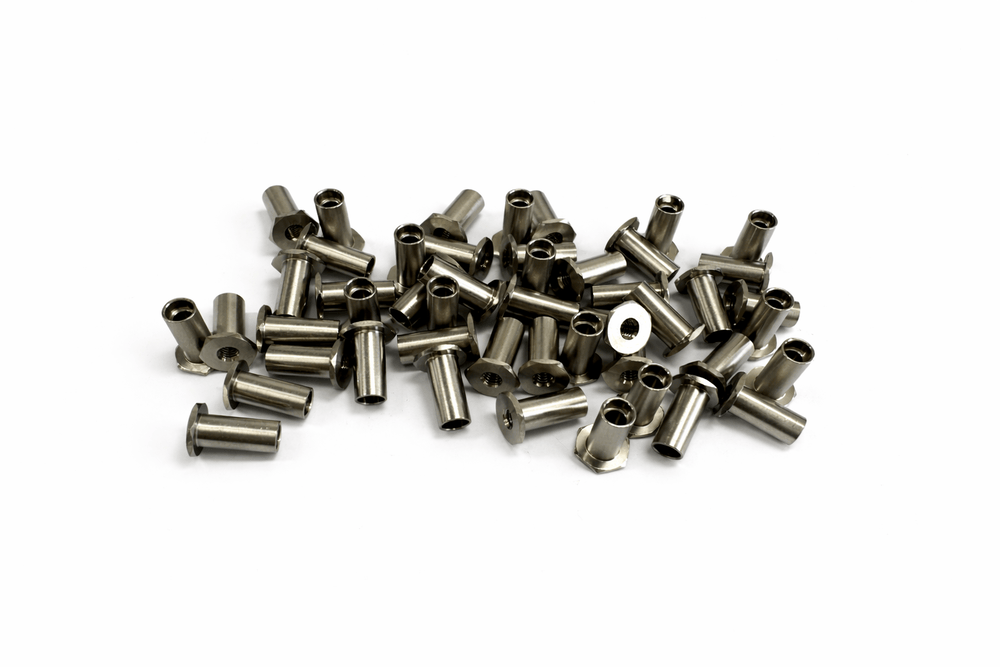
CNC 가공 부품 육각 소켓 너트 패스너
육각 소켓 너트
육각 소켓 너트는 고정밀 패스너 부품으로서, 내부에 육각형 소켓이 형성되어 있어 알렌 렌치나 헥스 키를 이용한 체결이 가능합니다. 이러한 설계는 좁은 공간에서의 조립을 용이하게 하며, 토크 전달 효율이 높아 정밀 기계와 고급 산업 장비에 적합합니다. CNC 가공 기술과 결합되어 생산되는 이 너트는 반도체 및 디스플레이 장비, 의료기기, 항공·우주 부품, 그리고 다양한 고정밀 응용 분야에서 필수적인 역할을 담당합니다. 이 부품의 설계는 진동 저항성과 안정적인 체결력을 강조하며, 산업 표준에 따라 다양한 크기와 스레드 유형으로 제작됩니다. 특히, 고압 및 고온 환경에서 안정성을 유지하기 위해 재질 선택과 표면 처리 과정이 중요합니다.
고정밀 산업에서의 응용 분야
반도체 및 디스플레이 장비에서 육각 소켓 너트는 진공 챔버나 정밀 위치 제어 시스템에 사용됩니다. 이들 장비는 미세한 오차도 허용되지 않기 때문에 너트의 치수 정확도가 핵심이며, CNC 가공을 통해 마이크론 단위의 공차를 달성합니다. 예를 들어, 반도체 웨이퍼 처리 장비에서 너트는 로봇 암이나 이송 시스템의 고정에 활용되어 안정적인 작동을 보장합니다. 디스플레이 생산 라인에서는 패널 조립 과정에서 진동으로 인한 느슨함을 방지하는 역할을 합니다.
의료기기 분야에서는 생체 적합성과 내식성이 요구되므로, 육각 소켓 너트가 MRI 장비나 수술 로봇에 적용됩니다. 이러한 기기들은 멸균 환경에서 작동해야 하며, 너트의 표면이 부식되지 않아야 장기적인 신뢰성을 유지합니다. 항공·우주 부품으로는 엔진 마운트나 항공기 구조물에 사용되며, 극한의 온도 변화와 고강도 스트레스에 견딜 수 있도록 설계됩니다. 우주 탐사 장비에서는 무게 감소와 동시에 강도를 확보하기 위해 특수 합금이 선호됩니다.
고급 산업 장비와 정밀 기계에서는 자동화 생산 라인이나 로보틱스 시스템에 통합되어 효율성을 높입니다. 이러한 응용은 너트의 피로 저항성과 반복 체결 성능을 테스트하며, 산업 표준 ISO나 ASTM 기준을 준수합니다. 다양한 분야에서의 활용은 너트의 다재다능성을 입증하며, 지속적인 기술 발전을 통해 더 정교한 설계가 이루어지고 있습니다.
사용 재질의 특성과 선택 기준
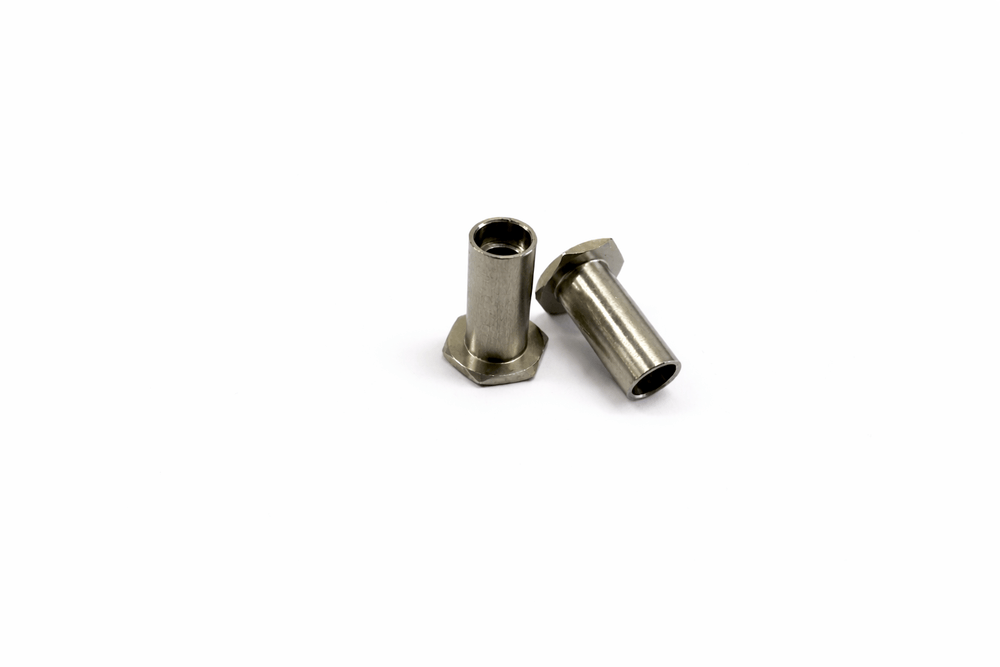
육각 소켓 너트의 재질은 응용 환경에 따라 다양하게 선택됩니다. 탄소강은 비용 효과가 높고 기본적인 강도를 제공하지만, 부식 위험이 있어 습한 환경에서는 제한적입니다. 합금강은 크롬이나 몰리브덴을 첨가하여 인장 강도와 경도를 향상시킨 재질로, 고압 응용에 적합합니다. 예를 들어, AISI 4140 합금강은 열처리를 통해 1000 MPa 이상의 인장 강도를 달성할 수 있습니다.
스테인리스 강은 오스테나이트 계열(예: 304, 316)과 마르텐사이트 계열(예: 410)로 나뉘며, 내식성과 내열성이 우수합니다. 316 스테인리스 강은 몰리브덴 첨가로 염화물 환경에서의 부식 저항이 높아 의료기기와 해양 장비에 사용됩니다. 구리는 전기 전도성과 연성이 뛰어나 전자 장비나 반도체 부품에 적용되며, 열전도율이 높아 방열 기능이 필요한 경우에 유리합니다.
재질 선택 시 고려사항으로는 기계적 특성(인장 강도, 항복 강도, 경도), 환경 요인(부식, 온도, 습도), 그리고 비용이 포함됩니다. 고정밀 응용에서는 재질의 미세 구조 분석이 필수적이며, 전자 현미경을 이용한 검사로 균열이나 불순물을 확인합니다. 이러한 재질들은 CNC 가공 시 가공성도 중요하며, 스테인리스 강의 경우 절삭 저항이 높아 특수 공구가 필요합니다.
표면 처리 기술의 상세 분석
표면 처리는 육각 소켓 너트의 내구성과 외관을 향상시키는 핵심 과정입니다. 블랙 옥사이드 처리(블랙)는 산화 피막을 형성하여 기본적인 부식 방지와 미끄럼 방지 효과를 제공합니다. 이는 저비용으로 적용 가능하지만, 고습 환경에서는 추가 보호가 필요합니다.
아연 도금(ZP)은 전기 도금 방식으로 아연 층을 입히며, 희생 부식 원리를 이용해 본체를 보호합니다. 옐로우 아연 도금(YZP)은 크로메이트 처리로 노란색을 띠며, 내식성을 강화합니다. 핫 딥 갈바니징(H.D.G.)은 용융 아연에 담그는 방법으로 두꺼운 코팅을 형성하여 야외나 고부식 환경에 적합합니다.
Dacromet은 아연-알루미늄 복합 코팅으로, 고온 내성과 환경 친화성을 갖추며, 자동차 및 항공 부품에 널리 사용됩니다. 니켈 도금은 밝은 외관과 우수한 내식성을 제공하며, 전자 장비에서 전도성을 유지합니다. 황동 도금은 장식적 목적과 함께 부식 방지를 위해 적용됩니다.
분말 코팅으로는 Geomet이 아연 플레이크 기반으로 무크롬 처리되어 환경 규제를 준수하며, Dacromet과 유사한 성능을 보입니다. Passivation은 스테인리스 강 표면의 산화 피막을 강화하여 자연적인 내식성을 높입니다. Electrophoresis(전기 영동 코팅)는 균일한 코팅을 형성하며, 복잡한 형상의 너트에 유용합니다.
이러한 처리들은 ASTM B633이나 ISO 4042 같은 표준을 따르며, 코팅 두께와 접착력을 테스트합니다. 처리 후의 성능 평가로는 소금 분무 테스트나 습도 챔버 테스트가 수행되어 장기 내구성을 확인합니다.
제조 방법의 세부 과정과 최적화
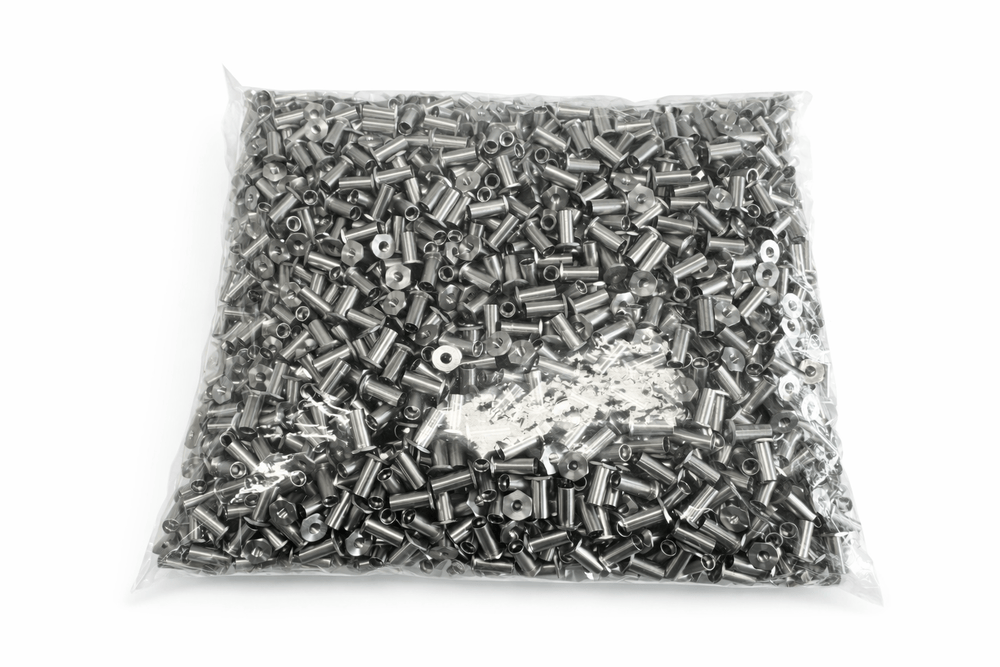
육각 소켓 너트의 제조는 다양한 방법으로 이루어지며, 각 방법은 생산량과 정밀도에 따라 선택됩니다. 콜드 단조는 상온에서 금형을 이용해 형상을 성형하며, 대량 생산에 적합합니다. 이 과정에서 재질의 소성 변형이 발생하며, 후속 열처리로 강도를 조정합니다. 스탬핑은 판재를 펀칭하여 기본 형상을 만들며, 비용이 낮지만 복잡한 형상에는 한계가 있습니다.
롤링은 스레드 형성을 위해 사용되며, 회전 다이를 통해 나사산을 생성하여 표면 피로를 최소화합니다. 벤딩은 특수 형상의 너트에 적용되지만, 육각 소켓 너트에서는 덜 일반적입니다. 주조는 용융 금속을 주형에 부어 제작하며, 구리나 합금에 적합하지만, 다공성 문제로 정밀 응용에서는 후가공이 필요합니다.
압출은 봉재를 밀어내어 형상을 만들며, 일관된 단면을 제공합니다. 밀링은 CNC 기계를 이용해 육각 소켓을 가공하며, 고정밀도가 요구되는 경우에 필수입니다. 용접은 복합 부품 제작 시 사용되지만, 너트 단독으로는 드뭅니다. 선삭은 외부 형상을 정밀 가공하며, 자동 선반에서 효율적으로 수행됩니다.
이들 방법들은 CAD/CAM 소프트웨어로 설계되며, 시뮬레이션을 통해 응력 분포를 분석합니다. 제조 최적화에서는 Industry 4.0 기술을 도입하여 실시간 모니터링과 AI 기반 품질 검사를 적용합니다. 예를 들어, 콜드 단조 과정에서 금형 마모를 예측하여 생산 효율을 높입니다.
성능 평가와 품질 관리
육각 소켓 너트의 성능은 토크-텐션 테스트와 피로 테스트를 통해 평가됩니다. 토크 테스트에서는 체결 시 마찰 계수를 측정하여 안정적인 고정을 확인합니다. 피로 테스트는 반복 하중下的 진동 저항성을 검사하며, 항공 부품의 경우 MIL-STD 기준을 만족해야 합니다.
품질 관리에서는 비파괴 검사(NDT) 방법과 초음파나 X선 검사를 사용합니다.
고정밀 산업에서는 traceability가 중요하며, 각 너트에 바코드나 RFID를 부착하여 생산 이력을 추적합니다. 이러한 관리 체계는 불량률을 0.1% 이하로 유지하며, 지속적인 개선을 위한 데이터 분석을 지원합니다.
| 재질 유형 | 인장 강도 (MPa) | 내식성 수준 | 주요 응용 분야 | 가공성 | 비용 지수 |
|---|---|---|---|---|---|
| 탄소강 (AISI 1018) | 400-500 | 낮음 | 일반 산업 장비 | 높음 | 낮음 |
| 합금강 (AISI 4140) | 800-1200 | 중간 | 항공·우주 부품 | 중간 | 중간 |
| 스테인리스 강 (304) | 500-700 | 높음 | 의료기기, 반도체 장비 | 중간 | 높음 |
| 스테인리스 강 (316) | 500-700 | 매우 높음 | 해양·의료 환경 | 중간 | 높음 |
| 구리 (C11000) | 200-400 | 높음 | 전자·반도체 부품 | 높음 | 높음 |
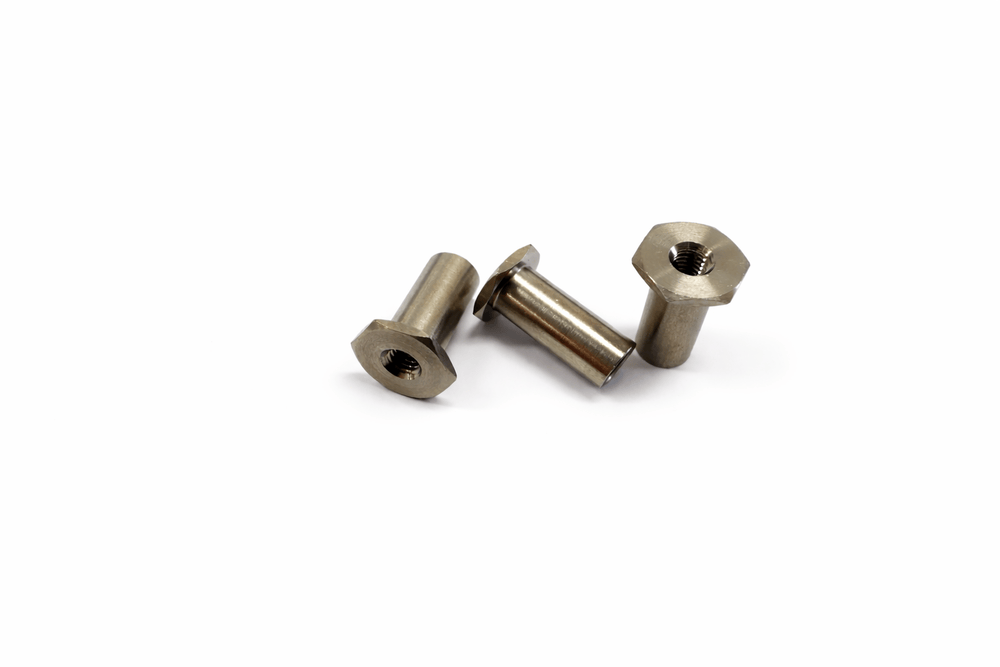
정밀 기계에 적용되는 육각 소켓 너트
육각 소켓 너트는 고정밀 산업 장비의 안정성과 완성도를 좌우하는 핵심 패스너 부품입니다. 사용 환경에 따라 적합한 재질과 표면 처리, 그리고 정밀한 가공 품질이 조화를 이룰 때 장기간 안정적인 체결 성능을 유지할 수 있습니다.
CNC 기반 정밀 가공과 체계적인 품질 관리 공정을 통해, 반도체·디스플레이 장비, 의료기기, 항공·우주 산업 등 고신뢰성이 요구되는 분야에 적용되고 있습니다. 설계 단계에서부터 실제 운용 환경을 고려한 공정 관리와 검증을 통해, 장비의 안정성과 반복 정밀도를 확보하고 있습니다.
Hex Socket Nut Fastener Process
From Semiconductor to Aerospace Applications
CNC Machined Hex Socket Nut Fastener
Hex Socket Nut
A hex socket nut is a high-precision fastener component featuring an internal hexagonal socket, allowing tightening with an Allen wrench or hex key. This design enables efficient assembly in confined spaces while ensuring high torque transmission efficiency, making it suitable for precision machinery and advanced industrial equipment.
When manufactured using CNC machining technology, hex socket nuts play a critical role in semiconductor and display equipment, medical devices, aerospace components, and a wide range of high-precision applications. Their design emphasizes vibration resistance and stable clamping force, and they are produced in various sizes and thread types in accordance with industrial standards.
In particular, material selection and surface treatment are crucial to maintaining stability under high-pressure and high-temperature environments.
Applications in High-Precision Industries
In semiconductor and display equipment, hex socket nuts are commonly used in vacuum chambers and precision positioning systems. Since even minimal dimensional deviation is unacceptable in such equipment, dimensional accuracy is critical, and CNC machining enables micron-level tolerances. For example, in semiconductor wafer processing equipment, these nuts secure robotic arms and transfer systems, ensuring stable operation. In display production lines, they help prevent loosening caused by vibration during panel assembly processes.
In the medical device industry, biocompatibility and corrosion resistance are essential requirements. Hex socket nuts are therefore applied in MRI systems and surgical robots, which must operate in sterilized environments while maintaining long-term reliability without surface degradation.
In aerospace applications, hex socket nuts are used in engine mounts and aircraft structural components, where they must withstand extreme temperature variations and high mechanical stress. For space exploration equipment, special alloys are often selected to achieve both weight reduction and high strength.
In advanced industrial equipment and precision machinery, these nuts are integrated into automated production lines and robotic systems to enhance operational efficiency. Such applications require excellent fatigue resistance and repeated fastening performance, with compliance to standards such as ISO and ASTM. The wide range of applications demonstrates the versatility of hex socket nuts and reflects ongoing advancements toward more refined designs.
Material Characteristics and Selection Criteria
The material of a hex socket nut is selected based on the intended application environment. Carbon steel offers cost efficiency and basic mechanical strength but is limited in humid environments due to corrosion risk. Alloy steel, enhanced with elements such as chromium or molybdenum, provides improved tensile strength and hardness, making it suitable for high-pressure applications. For instance, AISI 4140 alloy steel can achieve tensile strengths exceeding 1000 MPa through heat treatment.
Stainless steel is classified into austenitic grades such as 304 and 316, and martensitic grades such as 410, all of which offer excellent corrosion and heat resistance. Grade 316 stainless steel, containing molybdenum, exhibits superior resistance to chloride-induced corrosion and is widely used in medical devices and marine equipment.
Copper is valued for its high electrical conductivity and ductility, making it suitable for electronic equipment and semiconductor components. Its high thermal conductivity is also advantageous in applications requiring heat dissipation.
Key considerations in material selection include mechanical properties such as tensile strength, yield strength, and hardness, environmental factors such as corrosion, temperature, and humidity, and overall cost. In high-precision applications, microstructural analysis is essential, with electron microscopy used to detect cracks or impurities. Machinability is also a critical factor in CNC processing, especially for stainless steel, which requires specialized cutting tools due to high cutting resistance.
Surface Treatment Technologies
Surface treatment is a key process for enhancing the durability and appearance of hex socket nuts. Black oxide treatment forms an oxide layer that provides basic corrosion protection and anti-slip properties. While cost-effective, additional protection may be required in high-humidity environments.
Zinc plating applies a zinc layer through electroplating and protects the base material via sacrificial corrosion. Yellow zinc plating incorporates chromate treatment, providing enhanced corrosion resistance. Hot-dip galvanizing immerses the nut in molten zinc, forming a thick coating suitable for outdoor or highly corrosive environments.
Dacromet is a zinc-aluminum composite coating known for its high heat resistance and environmental friendliness, and is widely used in automotive and aerospace components. Nickel plating provides a bright finish with excellent corrosion resistance while maintaining electrical conductivity, making it suitable for electronic equipment. Brass plating is applied for both decorative purposes and corrosion protection.
Powder coatings such as Geomet are zinc flake-based and chromium-free, complying with environmental regulations while offering performance similar to Dacromet. Passivation enhances the natural oxide layer on stainless steel surfaces, improving corrosion resistance. Electrophoretic coating creates uniform coverage and is particularly effective for nuts with complex geometries.
These surface treatments comply with standards such as ASTM B633 and ISO 4042, with coating thickness and adhesion rigorously tested. Post-treatment performance evaluations include salt spray testing and humidity chamber testing to verify long-term durability.
Manufacturing Processes and Optimization
Hex socket nuts are manufactured using various methods, selected based on production volume and required precision. Cold forging shapes the nut at room temperature using dies and is well suited for mass production. Plastic deformation occurs during this process, and subsequent heat treatment is used to adjust mechanical strength. Stamping punches the basic shape from sheet material at low cost, though it has limitations for complex geometries.
Thread rolling is used to form threads using rotating dies, minimizing surface fatigue. Bending is applied to special nut designs but is less common for hex socket nuts. Casting involves pouring molten metal into molds and is suitable for copper or certain alloys, though porosity issues require secondary machining for precision applications.
Extrusion pushes material through a die to create consistent cross-sections. Milling uses CNC machines to form the internal hex socket and is essential for high-precision requirements. Welding is used for composite components but is rare for standalone nuts. Turning precisely machines the external geometry and is efficiently performed on automatic lathes.
These processes are designed using CAD/CAM software, with simulations analyzing stress distribution. Manufacturing optimization incorporates Industry 4.0 technologies, including real-time monitoring and AI-based quality inspection. For example, tool wear in cold forging can be predicted to improve production efficiency.
Performance Evaluation and Quality Control
The performance of hex socket nuts is evaluated through torque-tension testing and fatigue testing. Torque testing measures friction coefficients during fastening to ensure stable clamping. Fatigue testing assesses vibration resistance under repeated loads, and aerospace components must meet MIL-STD requirements.
Quality control employs non-destructive testing methods such as ultrasonic and X-ray inspection. In high-precision industries, traceability is critical, with each nut labeled using barcodes or RFID to track production history. These systems help maintain defect rates below 0.1 percent and support continuous improvement through data analysis.
Material Properties Comparison Table
| Material Type | Tensile Strength (MPa) | Corrosion Resistance | Main Applications | Machinability | Cost Index |
|---|---|---|---|---|---|
| Carbon Steel (AISI 1018) | 400–500 | Low | General industrial equipment | High | Low |
| Alloy Steel (AISI 4140) | 800–1200 | Medium | Aerospace components | Medium | Medium |
| Stainless Steel (304) | 500–700 | High | Medical devices, semiconductor equipment | Medium | High |
| Stainless Steel (316) | 500–700 | Very high | Marine and medical environments | Medium | High |
| Copper (C11000) | 200–400 | High | Electronic and semiconductor components | High | High |
Hex Socket Nuts in Precision Machinery
Hex socket nuts are core fastener components that directly influence the stability and completeness of high-precision industrial equipment. Long-term fastening performance can be achieved only when appropriate material selection, surface treatment, and precise machining quality are properly balanced according to the operating environment.
Through CNC-based precision machining and systematic quality control processes, these nuts are widely applied in semiconductor and display equipment, medical devices, and aerospace industries where high reliability is essential. From the design stage onward, manufacturing processes and validation are managed with real operating conditions in mind, ensuring equipment stability and consistent repeatability in precision performance.
추가 정보
CNC machined hex socket nut는 내부 육각 소켓 구조로 좁은 공간에서도 체결이 가능하며, 정밀 장비에서 안정적인 토크 전달과 반복 체결 성능을 중점으로 설계됩니다. 재질 선택, 표면 처리, 가공 공정, 품질 검증을 함께 관리하면 반도체·디스플레이부터 항공·우주까지 요구 조건이 다른 환경에서도 일관된 체결 품질을 확보하는 데 도움이 됩니다.
핵심 포인트 정리
- 내부 육각 소켓 구조로 작업 공간이 제한적인 조립 환경에 유리합니다.
- 마이크론 단위 공차가 필요한 장비에서는 CNC 가공 기반 치수 관리가 중요합니다.
- 탄소강, 합금강, 스테인리스(304/316), 구리 등은 환경(부식·온도·하중)에 따라 선택합니다.
- 블랙 옥사이드, 아연도금, H.D.G., Dacromet/Geomet, 패시베이션 등 표면 처리로 내식성과 내구성을 보완합니다.
- 스레드 롤링은 피로 특성에 유리하고, 밀링/선삭은 정밀 형상 구현에 유리합니다.
- 토크-텐션 테스트와 피로(진동) 테스트로 체결 신뢰도를 확인합니다.
- ASTM B633, ISO 4042 등 표준 기반 코팅·품질 기준을 적용해 공정 변동을 줄입니다.
- 바코드/RFID 기반 이력 추적(traceability)은 고신뢰 산업에서 유효한 관리 방식입니다.
FAQ
육각 소켓 너트는 왜 좁은 공간에서 유리한가요?
내부 육각 소켓은 알렌 렌치(헥스 키)로 축 방향에서 체결할 수 있어 공구 회전 공간이 제한된 경우에도 작업이 가능합니다. 외부 육각 대비 접근성이 좋아 조립 동선이 단순해지는 경우가 많습니다.
반도체 장비용 패스너에서 가장 중요한 관리 항목은 무엇인가요?
치수 공차, 표면 청정도, 그리고 체결 시 마찰 계수의 변동 관리가 핵심입니다. 진공·정밀 위치 제어 환경에서는 작은 편차도 장비 성능에 영향을 줄 수 있어 공정 안정화가 중요합니다.
항공·우주 환경에서는 어떤 재질 선택이 일반적인가요?
고강도와 피로 특성을 고려해 합금강 계열이 사용되는 경우가 많고, 부식·온도 조건에 따라 스테인리스 또는 특수 합금이 적용되기도 합니다. 목표는 무게, 강도, 내열·내식 성능의 균형입니다.
316 스테인리스가 304보다 선호되는 상황은 언제인가요?
염화물 환경(해양, 세정/소독 환경 등)에서 316은 몰리브덴 함유로 부식 저항이 강화되는 경향이 있습니다. 의료·해양 환경처럼 부식 리스크가 큰 조건에서 선택되는 경우가 많습니다.
표면 처리는 내식성만 개선하나요?
내식성 외에도 마찰 특성, 외관, 내열성, 코팅 균일성 등에도 영향을 줍니다. 체결부 마찰이 토크-텐션 관계에 영향을 주기 때문에 적용 목적에 맞는 코팅 선택이 중요합니다.
스레드 롤링과 절삭 가공 스레드는 무엇이 다른가요?
롤링은 재료를 소성 변형시켜 나사산을 형성해 표면 결함이 줄고 피로 특성에 유리한 경우가 있습니다. 절삭은 형상 자유도가 높지만 공구 조건과 표면 품질 관리가 더 중요해질 수 있습니다.
토크-텐션 테스트는 왜 필요한가요?
같은 토크라도 표면 처리나 윤활 상태에 따라 실제 축력(클램핑 포스)이 달라질 수 있습니다. 토크-텐션 상관을 확인하면 체결 품질을 더 일관되게 관리하는 데 도움이 됩니다.
Traceability(이력 추적)가 필요한 이유는 무엇인가요?
고정밀 산업에서는 불량 원인 분석과 리콜 범위 최소화를 위해 생산 로트, 공정 조건, 검사 결과를 추적하는 체계가 중요합니다. 바코드나 RFID로 이력 데이터를 연결하면 문제 발생 시 대응 속도가 빨라집니다.
관련 주제 확장
1) 공정 조합: 단조 + CNC의 역할 분담
대량 생산에서는 콜드 단조로 기본 형상을 효율적으로 확보한 뒤, CNC 밀링/선삭으로 정밀 기능부(예: 내부 소켓, 기준면)를 완성하는 방식이 자주 사용됩니다. 이 조합은 생산성과 정밀도를 함께 고려할 수 있으며, 공정 간 기준면 설정과 공정 능력(Cp/Cpk) 관리가 중요해집니다. 특히 소켓 깊이, 동심도, 나사산과 기준면의 정렬 같은 요소는 조립 안정성에 직접 영향을 줄 수 있습니다.
2) 재질 선택 시 체크 항목: 강도·부식·가공성
탄소강은 비용과 가공성이 유리하지만 부식 환경에서는 표면 처리 의존도가 커질 수 있습니다. 합금강은 열처리를 통해 고강도 영역을 확보할 수 있으나, 공구 마모와 열처리 변형 관리가 필요합니다. 스테인리스는 내식성이 강점이지만 절삭 저항이 높아 공구·절삭 조건 최적화가 중요합니다. 구리는 전기·열 특성이 장점이지만 강도 요구 조건과 변형 가능성을 함께 고려하는 편이 좋습니다.
3) 표면 처리 선택 로직: 표준·환경·마찰 특성
아연도금(ZP/YZP)은 범용적으로 사용되며, 희생 부식 메커니즘을 활용하는 방식입니다. H.D.G.는 코팅이 두꺼워 야외·고부식 환경에 유리하지만 치수 영향과 체결부 간섭을 검토해야 합니다. Dacromet/Geomet은 고온 내성과 무크롬 요구에 대응하는 옵션으로 활용되며, 표준(예: ISO 4042, ASTM B633) 기준으로 두께와 접착력 검증이 병행됩니다. 코팅은 마찰 계수에도 영향을 주므로 토크 관리가 필요한 조립 조건이라면 테스트 기반으로 선택하는 것이 일반적입니다.
4) 품질 관리 포인트: 측정·검사·데이터화
치수 측정은 공정별 핵심 특성(CTQ)을 정의하고, 공정 간 누적 오차를 고려해 관리하는 방식이 효과적입니다. NDT(초음파, X-ray 등)는 내부 결함 확인에 활용되며, 고신뢰 분야에서는 로트 단위 샘플링 조건이 엄격해질 수 있습니다. 소금 분무/습도 챔버 테스트는 표면 처리 성능 확인에 사용되며, 결과를 데이터로 축적하면 공정 개선의 근거가 됩니다.
관련 공정 설계나 표면 처리 기준을 더 체계적으로 정리하려면 CNC 패스너 공정 가이드에서도 용도별 체크 포인트를 함께 비교해볼 수 있습니다.