AI 발전의 병목 전력 인프라와 변압기 접점
AI 발전의 병목 전력 인프라와 변압기 접점
AI 기술의 급속한 발전은 GPU·고성능 서버 중심의 인프라 확장을 넘어, 전력 공급 체계와 전력 변환·분배 효율이 성능과 비용을 결정하는 “핵심 병목”으로 이동하고 있습니다. 특히 대규모 학습/추론이 상시적으로 구동되는 환경에서는 전력 사용량 자체뿐 아니라, 전력이 이동하고 변환되는 모든 구간에서 발생하는 손실(열)이 누적되어 설비 규모를 키우고 운영 비용을 증폭시킵니다. 결과적으로 데이터센터 확장은 단순한 서버 증설이 아니라, 변전–배전–전력변환–랙/보드 레벨까지 이어지는 전력망의 재설계 문제로 귀결됩니다.
크게 세 가지로 요약하면, 첫째, “전력의 절대량”입니다. AI 워크로드는 높은 연산 밀도와 가동률로 인해 상시 고부하에 가까운 전력 프로파일을 만들며, 사이트 단위 전력 계약·수전 용량·변전 설비가 증설 속도를 제한합니다. 둘째, “열과 냉각”입니다. 전력 손실은 곧 열이며, 손실이 커질수록 냉각 인프라(공조, 액침/수랭 등)까지 연쇄적으로 확장해야 합니다. 셋째, “효율”입니다. 전력은 여러 단계의 변환(AC/DC, DC/DC)과 분배(PDU, 버스바, 커넥터, 릴레이/컨택터)를 거치는데, 각 단계의 작은 손실이 전체 효율을 갉아먹고, 고전류 구간에서는 접촉 저항 상승이 곧바로 발열과 신뢰성 저하로 이어집니다. 결국 장기 경쟁력은 ‘서버 성능’만이 아니라 ‘전력 전달의 효율과 안정성’을 얼마나 끌어올리느냐에 달려 있습니다.
이 관점에서 전기 접점(contact) 재료는 “보이지 않는 손실”을 줄이는 핵심 레버입니다. 고전류·고빈도 스위칭 환경에서 접점은 낮은 접촉 저항을 안정적으로 유지해야 하며, 산화·아크·마모·용착·온도 상승 같은 열화 메커니즘에 강해야 합니다. 접점 재료의 성능은 단순 전도도만으로 결정되지 않습니다. 실제 운전 조건에서는 미세한 표면 산화막, 접촉 압력 변화, 진동, 반복 개폐에 따른 표면 거칠기 변화가 모두 저항을 흔들고, 이 변동이 발열을 만들며, 발열이 다시 산화와 연화를 가속하는 악순환을 형성합니다. 따라서 “높은 전도도 + 내아크성 + 내산화성 + 기계적 안정성”의 균형이 중요합니다.
효율성이 우수한 접점 재료의 방향성은 명확합니다. 첫째, 저항을 낮추는 고전도성 기반(은/구리 계열) 위에, 열화에 강한 기능성 상(산화물 분산, 합금화, 복합재)을 정밀하게 설계하는 접근이 유효합니다. 둘째, 장시간 운전과 반복 스위칭에서 접촉 저항의 ‘초기 값’보다 ‘수명 동안의 안정성’이 더 중요해지고 있습니다. 셋째, 고전류화가 진행될수록 소재뿐 아니라 표면(도금/코팅), 결합(브레이징), 구조(접촉 형상, 스프링/압력 설계)까지 포함한 시스템 최적화가 필요합니다. 즉, 접점 재료는 데이터센터 전력망의 “미세 손실을 줄이고 신뢰성을 올리는 소재 기반 솔루션”으로 재평가될 수밖에 없습니다.
1. AI 발전 단계와 인프라 수요
(1) 초기 구축 단계(현재~2027년)
(2) 확장 및 최적화 단계(2028~2032년)
(3) 지속 가능성 강화 단계(2033년 이후).
- 초기 구축 단계: AI 모델의 규모 확대(예: 대형 언어 모델, 멀티모달 AI)로 데이터 센터의 컴퓨팅 용량이 급증합니다. 이 단계에서 인프라 수요는 서버와 네트워킹 장비에 집중되지만, 이미 전력 소비가 문제시되고 있습니다. 글로벌 데이터 센터의 전력 수요는 2024년 기준으로 전체 전기 사용량의 약 4%를 차지하며, 2030년까지 2배 이상 증가할 것으로 예상됩니다. 이는 연간 900~1,000 TWh 규모로, 중형 국가의 연간 전력 소비량에 맞먹습니다.
- 확장 및 최적화 단계: AI 응용이 산업 전반으로 확산되면서 데이터 센터의 밀도가 높아집니다. 여기서 전력 공급의 안정성과 효율성이 핵심이 됩니다. 변압기와 같은 전력 변환 장비의 수요가 폭증하며, AI 훈련 및 추론 과정의 에너지 소비가 전체 비용의 30~50%를 차지할 수 있습니다.
- 지속 가능성 강화 단계: 재생 에너지 통합과 효율화 기술이 필수적입니다. 그러나 전력 그리드의 노후화와 공급 지연으로 인해 AI 성장 속도가 둔화될 위험이 큽니다. 이 단계에서 변압기 내 전기 접점의 효율 개선이 에너지 손실을 최소화하는 데 중요한 역할을 할 것입니다.
2. AI 인프라 구축 후의 전력 문제와 변압기 수요 증가
AI 인프라의 초기 구축이 완료되면, 전력 공급이 가장 큰 도전 과제가 됩니다. 데이터 센터의 전력 수요는 2030년까지 50~165% 증가할 것으로 예측되며, 미국만 해도 2035년까지 78~123 GW 규모로 확대될 전망입니다. 이는 기존 그리드 용량을 초과하는 수준으로, 변압기(특히 대형 전력 변압기)의 수요를 급증시킵니다.
변압기는 고전압 전력을 데이터 센터에 적합한 저전압으로 변환하는 핵심 장비입니다. AI 데이터 센터의 경우, 변압기는 안정적인 전압 유지와 에너지 손실 최소화를 담당하며, 최근 데이터 센터 확장으로 인해 변압기 수요가 2019~2025년 사이 274% 증가했습니다. 글로벌 공급망 부족으로 인해 변압기 납기 기간이 2~3년으로 길어지고 있으며, 이는 AI 프로젝트 지연의 주요 원인입니다. 특히, 고용량 변압기(예: GSU – Generation Step-Up Transformers)의 수입 의존도가 높아(미국 기준 80%), 국제 무역 정책과 원자재 가격 변동이 추가 리스크를 초래합니다.
3. 변압기 내 전기 접점의 역할과 AI 발전의 병목 현상
변압기에서 전기 접점은 주로 온-로드 탭 체인저(On-Load Tap Changer, OLTC)에서 사용됩니다. OLTC는 변압기가 부하 상태에서 전압을 동적으로 조절할 수 있게 하는 장치로, 접점은 전류 흐름을 제어하며 아크(전기 방전) 발생 시 안정성을 유지합니다. 접점의 주요 기능은 다음과 같습니다:
- 전류 전환: 고전압(수십 kV) 환경에서 전류를 안정적으로 전환하여 변압기의 효율을 높입니다.
- 에너지 손실 최소화: 접촉 저항이 낮아야 열 발생과 에너지 낭비를 줄일 수 있습니다. 변압기 전체 효율은 95% 이상이지만, 접점 부분의 비효율은 전체 손실의 10~20%를 차지할 수 있습니다.
- 내구성 확보: 반복적인 스위칭(연간 수천 회)으로 인한 마모와 아크 침식을 견뎌야 합니다.
4. 전기 효율성이 우수한 전기 접점
AI의 에너지 소비 증가로 인해, 전기 접점의 효율성이 핵심 이슈로 부상합니다. 기존 접점 재료는 에너지 손실을 유발하지만, 고효율 재료는 접촉 저항을 20~50% 낮춰 전체 변압기 효율을 1~2% 향상시킬 수 있습니다. 이는 데이터 센터 규모에서 연간 수백 GWh의 에너지 절감으로 이어집니다.
- 은-텅스텐(Ag-W): 은의 우수한 전도성과 텅스텐의 아크 저항성을 결합한 재료로, 고전압 환경에서 가장 효율적입니다. 접촉 저항이 낮아(0.1~0.5 mΩ) 열 손실을 최소화하며, 수명이 길어(10만 회 이상 스위칭) AI의 고부하 요구에 적합합니다. 학술적으로 검증된 바와 같이, Ag-W는 아크 침식률을 40% 줄여 장기 안정성을 제공합니다.
- 구리-크롬(Cu-Cr): 구리의 높은 전도성과 크롬의 내식성을 활용한 재료로, 비용 효과적입니다. 고전류(수천 A) 환경에서 안정적이며, 에너지 효율이 95% 이상 유지됩니다. OLTC에서 널리 사용되며, AI 데이터 센터의 변동 부하에 대한 내구성이 우수합니다.
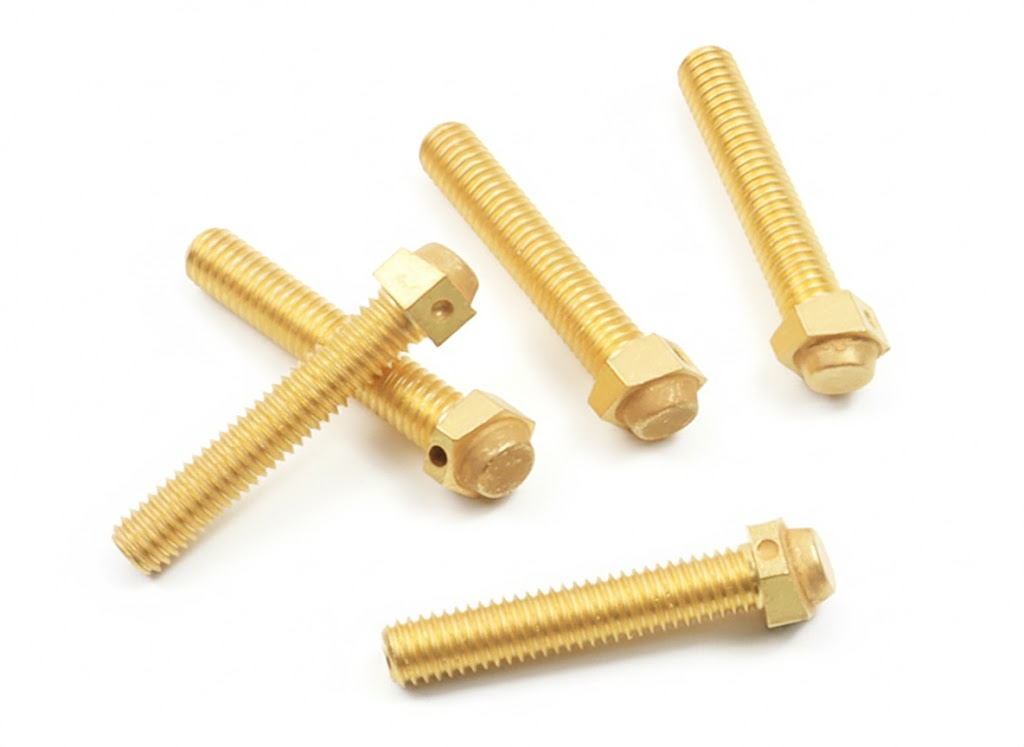
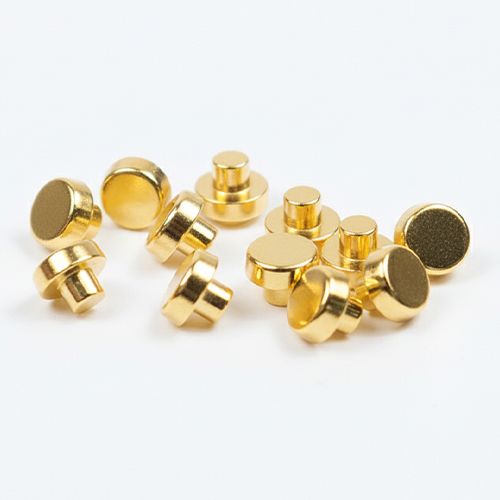
금도금 접점(Au-plated): 기반 재료(예: 은 또는 구리)에 금을 얇게 도금한 형태로, 특히 저전압 및 저전류 환경에서 우수합니다. 금의 특성으로 인해 부식 및 산화 저항성이 뛰어나(극히 낮은 산화율), 접촉 저항을 0.05~0.3 mΩ 수준으로 유지하며 전기 전도성을 높입니다. AI 데이터 센터의 고밀도 전력 시스템에서 보조 접점이나 정밀 스위칭 부분에 적용 가능하며, 반복적인 마찰(프레팅)로부터 보호되어 내구성을 향상시킵니다. 그러나 고전류 환경에서는 금의 연성으로 인해 마모가 발생할 수 있어, 니켈 하도금과 함께 사용되는 경우가 많습니다. 비용이 높지만, 장기적으로 유지 비용을 절감하며, 고신뢰성 요구(예: 데이터 센터의 무중단 운영)에 적합합니다. 연구에 따르면, 금도금은 접점의 수명을 2~3배 연장할 수 있으며, 에너지 효율성을 5~10% 개선하는 효과가 있습니다.
5. 변압기 내 전기 접점의 특징
| 재료 유형 | 전도성 (상대값, Cu=100%) | 아크 저항성 | 접촉 저항 (mΩ) | 수명 (스위칭 횟수) | 주요 장점 | 주요 단점 |
|---|---|---|---|---|---|---|
| 은-텅스텐 (Ag-W) | 80-90 | 우수 | 0.1-0.5 | 100,000+ | 낮은 손실, 고내구성 | 고비용 |
| 구리-크롬 (Cu-Cr) | 90-95 | 양호 | 0.2-0.6 | 50,000-80,000 | 비용 효과적, 안정적 | 중간 아크 저항 |
| 은-카드뮴산화물 (Ag-CdO) | 70-80 | 우수 | 0.3-0.7 | 80,000+ | 아크 소화 우수 | 환경 규제 (Cd 독성) |
| 구리-텅스텐 (Cu-W) | 60-70 | 우수 | 0.4-0.8 | 70,000+ | 고전류 적합 | 낮은 전도성 |
| 금도금 (Au-plated) | 90-100 | 중간 | 0.05-0.3 | 100,000+ | 부식 저항, 낮은 저항, 긴 수명 | 고비용, 고전류 마모 |
AI의 미래는 전력 인프라의 안정성과 효율성에 달려 있습니다. 변압기 수요의 확대와 접점 기술의 고도화는 전력 병목을 해소하는 핵심 수단이며, 고효율 전기 접점 재료의 도입은 전력 손실을 줄여 전체 에너지 소비를 약 10~20%까지 개선할 수 있습니다. 결국 AI 인프라 경쟁력은 연산 성능이 아니라, 전력을 얼마나 효율적이고 안정적으로 전달하느냐에서 결정됩니다.
Bottlenecks in AI Advancement: Power Infrastructure and Transformer Contacts
The rapid advancement of AI technology is shifting the core bottleneck from GPU- and high-performance server-centric infrastructure toward power supply systems and the efficiency of power conversion and distribution, which increasingly determine performance and cost. In large-scale environments where AI training and inference operate continuously, not only total power consumption but also cumulative losses (heat) generated across every stage of power transmission and conversion significantly expand facility scale and operating expenses. As a result, data center expansion is no longer a matter of simply adding servers, but a challenge of redesigning the entire power network, from substations and distribution to power conversion and down to rack- and board-level delivery.
This challenge can be summarized in three key points. First is the absolute amount of power. AI workloads, characterized by high computational density and utilization rates, create near-constant high-load power profiles, while site-level power contracts, intake capacity, and substation infrastructure limit expansion speed. Second is heat and cooling. Power losses directly translate into heat, and as losses increase, cooling infrastructure—such as HVAC, liquid immersion, or direct liquid cooling—must scale accordingly. Third is efficiency. Power passes through multiple stages of conversion (AC/DC, DC/DC) and distribution (PDUs, busbars, connectors, relays/contactors). Even small losses at each stage erode overall efficiency, and in high-current sections, increased contact resistance immediately leads to heat generation and reduced reliability. Ultimately, long-term competitiveness depends not only on server performance, but on how efficiently and reliably power can be delivered.
From this perspective, electrical contact materials represent a key lever for reducing “invisible losses.” In high-current, high-frequency switching environments, contacts must maintain consistently low contact resistance while resisting degradation mechanisms such as oxidation, arcing, wear, welding, and temperature rise. Contact performance is not determined by conductivity alone. Under real operating conditions, thin surface oxide films, variations in contact pressure, vibration, and surface roughness changes caused by repeated switching all affect resistance. These fluctuations generate heat, which in turn accelerates oxidation and softening, creating a vicious cycle. Therefore, a balanced combination of high conductivity, arc resistance, oxidation resistance, and mechanical stability is essential.
The direction of high-efficiency contact materials is clear. First, it is effective to build on highly conductive bases such as silver or copper, while precisely engineering functional phases—through oxide dispersion, alloying, or composites—that resist degradation. Second, in long-term operation and repeated switching, stability of contact resistance over the entire service life is becoming more important than its initial value. Third, as current levels increase, system-level optimization becomes essential, encompassing not only materials but also surface treatments (plating/coatings), joining methods (brazing), and structural design (contact geometry, spring and pressure mechanisms). Electrical contact materials are therefore being re-evaluated as material-based solutions that reduce micro-losses and enhance reliability across data center power networks.
Stages of AI Development and Infrastructure Demand
(1) Initial build-out phase (present–2027)
(2) Expansion and optimization phase (2028–2032)
(3) Sustainability enhancement phase (2033 and beyond)
Initial build-out phase: As AI model scales expand—such as large language models and multimodal AI—data center computing capacity grows rapidly. At this stage, infrastructure demand focuses on servers and networking equipment, but power consumption is already emerging as a critical issue. As of 2024, global data centers account for approximately 4% of total electricity consumption, a figure expected to more than double by 2030. This corresponds to an annual demand of roughly 900–1,000 TWh, comparable to the electricity consumption of a mid-sized country.
Expansion and optimization phase: As AI applications spread across industries, data center density increases. Here, power supply stability and efficiency become decisive factors. Demand for power conversion equipment such as transformers surges, and energy consumption for AI training and inference can account for 30–50% of total operating costs.
Sustainability enhancement phase: Integration of renewable energy and efficiency technologies becomes essential. However, aging power grids and delays in power supply expansion pose significant risks that could slow AI growth. In this phase, improving the efficiency of electrical contacts within transformers plays an important role in minimizing energy losses.
Power Challenges After AI Infrastructure Deployment and Rising Transformer Demand
Once initial AI infrastructure is deployed, power supply becomes the greatest challenge. Data center power demand is projected to increase by 50–165% by 2030, and in the United States alone, capacity is expected to reach 78–123 GW by 2035. This exceeds existing grid capacity and drives a sharp increase in demand for transformers, particularly large power transformers.
Transformers are critical equipment that convert high-voltage electricity into lower voltages suitable for data centers. In AI data centers, transformers are responsible for maintaining voltage stability and minimizing energy losses. Due to rapid data center expansion, transformer demand increased by 274% between 2019 and 2025. Global supply chain constraints have extended transformer lead times to two to three years, becoming a major cause of AI project delays. High-capacity transformers, such as generation step-up transformers (GSUs), are heavily import-dependent (approximately 80% in the United States), exposing projects to additional risks from trade policies and raw material price volatility.
The Role of Electrical Contacts in Transformers and Bottlenecks in AI Advancement
Within transformers, electrical contacts are primarily used in on-load tap changers (OLTCs). OLTCs allow transformers to dynamically adjust voltage under load, with contacts controlling current flow and maintaining stability during arcing events. The main functions of these contacts include:
Current switching: Ensuring stable current transfer in high-voltage environments (tens of kV) to improve transformer efficiency.
Minimizing energy loss: Low contact resistance reduces heat generation and energy waste. While overall transformer efficiency exceeds 95%, inefficiencies at contact points can account for 10–20% of total losses.
Ensuring durability: Contacts must withstand wear and arc erosion caused by repeated switching, often thousands of operations per year.
High-Efficiency Electrical Contact Materials
As AI energy consumption increases, the efficiency of electrical contacts has become a critical issue. Conventional contact materials contribute to energy losses, whereas high-efficiency materials can reduce contact resistance by 20–50%, improving overall transformer efficiency by 1–2%. At data center scale, this translates into annual energy savings of hundreds of gigawatt-hours.
Silver–tungsten (Ag-W): Combining silver’s excellent conductivity with tungsten’s arc resistance, this material is among the most effective in high-voltage environments. Its low contact resistance (0.1–0.5 mΩ) minimizes heat loss, and its long service life (over 100,000 switching cycles) meets the high-load demands of AI systems. Studies show that Ag-W reduces arc erosion rates by approximately 40%, ensuring long-term stability.
Copper–chromium (Cu-Cr): This material leverages copper’s high conductivity and chromium’s corrosion resistance, offering a cost-effective solution. It remains stable under high currents (thousands of amperes) and maintains energy efficiency above 95%. Widely used in OLTCs, it demonstrates strong durability against fluctuating loads in AI data centers.
Gold-plated contacts (Au-plated): These consist of a thin gold layer plated over a base material such as silver or copper, and are particularly effective in low-voltage, low-current applications. Gold’s excellent resistance to corrosion and oxidation enables contact resistance to be maintained at 0.05–0.3 mΩ, improving electrical conductivity. In high-density power systems within AI data centers, gold-plated contacts are suitable for auxiliary contacts or precision switching components, offering protection against fretting wear and enhanced durability. However, due to gold’s softness, wear can occur in high-current environments, so nickel under-plating is often used. Although costly, gold plating reduces long-term maintenance costs and is well suited to high-reliability requirements such as uninterrupted data center operation. Research indicates that gold plating can extend contact life by two to three times and improve energy efficiency by 5–10%.
Characteristics of Electrical Contact Materials in Transformers
| Material Type | Electrical Conductivity (Relative, Cu = 100%) | Arc Resistance | Contact Resistance (mΩ) | Service Life (Switching Cycles) | Key Advantages | Key Limitations |
|---|---|---|---|---|---|---|
| Silver–Tungsten (Ag-W) | 80–90 | Excellent | 0.1–0.5 | 100,000+ | Very low loss, high durability, excellent arc resistance | High cost |
| Copper–Chromium (Cu-Cr) | 90–95 | Good | 0.2–0.6 | 50,000–80,000 | Cost-effective, stable under high current | Moderate arc resistance |
| Silver–Cadmium Oxide (Ag-CdO) | 70–80 | Excellent | 0.3–0.7 | 80,000+ | Superior arc suppression | Environmental restrictions due to cadmium toxicity |
| Copper–Tungsten (Cu-W) | 60–70 | Excellent | 0.4–0.8 | 70,000+ | Suitable for very high current applications | Lower electrical conductivity |
| Gold-Plated (Au-plated) | 90–100 | Moderate | 0.05–0.3 | 100,000+ | Outstanding corrosion resistance, very low contact resistance, long service life | High cost, wear under high current |
The future of AI depends on the stability and efficiency of power infrastructure. The expansion of transformer demand and the advancement of contact technologies are key to resolving power bottlenecks. The adoption of high-efficiency electrical contact materials can reduce power losses and improve overall energy consumption by approximately 10–20%. Ultimately, the competitiveness of AI infrastructure will be determined not by computational performance alone, but by how efficiently and reliably power can be delivered.
추가 정보
CNC 선반(터닝)과 밀링은 “공구가 움직이는 방식”과 “공작물이 회전하는 방식”이 달라, 같은 부품이라도 공정 선택에 따라 정밀도·가공 시간·표면 품질의 분산이 달라질 수 있습니다. CNC turning vs milling process comparison에서는 형상(원통/평면/포켓), 공차 유형(동심도/평행도), 생산 수량, 소재 난삭성, 셋업 횟수(재클램핑)까지 함께 고려하는 판단 흐름이 중요합니다.
핵심 포인트
- 터닝은 원통·축대칭 형상에서 동심도/원통도/진원도 관리에 유리한 경우가 많습니다.
- 밀링은 평면, 포켓, 슬롯, 복잡 외형(2.5D/3D)에서 형상 자유도가 높아 설계 대응 범위가 넓습니다.
- 공차는 “치수”뿐 아니라 기준면(Datum) 설정과 셋업 횟수에 따라 누적 오차로 나타날 수 있습니다.
- 표면 조도(Ra)는 공정 방식, 공구 날수, 절삭 조건, 마무리 패스 전략에 따라 달라질 수 있습니다.
- 생산성은 단순히 가공 시간만이 아니라, 공구 교체·칩 배출·측정·공정 이동을 포함한 사이클로 판단하는 편이 좋습니다.
- 복합기(턴밀, 밀턴)는 한 번의 클램핑에서 여러 형상을 처리해 재클램핑 오차를 줄이는 데 도움이 될 수 있습니다.
- 소재(알루미늄/황동/스테인리스/티타늄 등)에 따라 공구 마모와 열 영향이 달라 최적 공정이 바뀔 수 있습니다.
FAQ
어떤 형상은 터닝이 더 적합하고, 어떤 형상은 밀링이 더 적합한가요?
축대칭 원통 형상(샤프트, 부싱, 스페이서)은 터닝이 공정 단순화와 동심도 관리에 유리한 경우가 많습니다. 반대로 평면 기반의 포켓·슬롯·각형 외형은 밀링이 공구 접근과 형상 구현에서 유리한 편입니다.
동심도/진원도 요구가 높으면 무조건 터닝이 좋은가요?
터닝이 유리한 경우가 많지만, 기준면 설정과 고정 방식(척/콜릿), 소재 강성, 가공 길이 대비 직경 비율에 따라 결과가 달라질 수 있습니다. 필요 시 터닝으로 기준을 만들고 밀링으로 보조 형상을 추가하는 복합 흐름이 사용되기도 합니다.
밀링에서 공차가 흔들리는 대표 원인은 무엇인가요?
재클램핑에 의한 기준면 이동, 공구 마모에 따른 치수 드리프트, 열 변형, 고정 강성 부족이 원인이 될 수 있습니다. 공정 순서와 기준면을 일관되게 유지하고, 중요한 치수는 마무리 패스로 분리하는 방식이 도움이 될 수 있습니다.
표면 조도(Ra)는 터닝과 밀링 중 무엇이 더 유리한가요?
목표 조도는 두 공정 모두 달성 가능하지만, 터닝은 이송/노즈 R에 따라 결 방향이 뚜렷해지고 밀링은 공구 경로와 날수에 따라 패턴이 달라질 수 있습니다. 기능면(씰, 미끄럼, 접촉면)이라면 조도 수치와 함께 결 방향까지 정의하는 편이 실무적으로 유리합니다.
소량과 양산에서 공정 선택 기준이 달라지나요?
소량은 셋업 시간과 공정 이동을 줄이는 방향(예: 복합기 활용)이 유리할 수 있습니다. 양산은 공구 수명, 검사 사이클, 자동화(바 피더, 팔렛)까지 포함해 공정 안정성과 분산 관리가 중요한 기준이 됩니다.
턴밀(복합기)은 언제 효과가 커지나요?
한 부품에 원통 정밀도(터닝)와 평면/슬롯(밀링)이 동시에 필요할 때 효과가 커질 수 있습니다. 한 번의 고정으로 공정을 끝내면 기준면 이동이 줄어 동심도와 위치도 재현성이 안정되는 경우가 있습니다.
공차 표기가 같아도 가공 난이도가 달라지는 이유는 무엇인가요?
같은 ±공차라도 기준면 정의, 측정 기준, 공정 순서, 가공면의 길이/형상에 따라 난이도가 달라질 수 있습니다. 특히 위치도·동심도·평행도 같은 기하공차는 단품 치수보다 공정 설계(기준 설정)의 영향이 큽니다.
견적 단계에서 터닝/밀링 선택을 빨리 결정하려면 무엇이 필요하나요?
3D 모델 또는 도면과 함께 핵심 기능면(조립 기준면, 씰면, 접촉면), 중요 공차, 소재, 수량 정보를 먼저 정리하는 편이 좋습니다. 이 정보가 있으면 불필요한 재클램핑을 줄이는 공정 라우팅을 빠르게 설계할 수 있습니다.
관련 주제 확장
1) 공정 선택의 기준은 “형상 자유도”와 “기준면 안정성”
밀링은 형상 자유도가 높지만, 셋업이 여러 번 발생하면 기준면 이동으로 누적 오차가 커질 수 있습니다. 터닝은 축 기준이 명확해 동심도 기반 형상에 유리하지만, 비대칭 형상은 추가 밀링이나 2차 공정이 필요해질 수 있습니다. 따라서 형상보다 먼저 “기준을 어디에서 잡고 끝낼 것인지”를 결정하면 공정 선택이 빨라집니다.
2) 재클램핑 오차를 줄이면 공차가 쉬워집니다
같은 치수 공차라도 한 번의 고정으로 끝낼 수 있으면 공정 분산이 크게 줄어드는 경우가 많습니다. 복합기(턴밀)는 공정 통합으로 재클램핑 오차를 줄이는 방향으로 유리할 수 있습니다. 반대로 복잡 형상에서 접근성이 떨어지면, 분리 공정이 더 안정적인 경우도 있어 공구 접근과 고정 강성을 함께 봐야 합니다.
3) 표면 품질은 조도 수치만이 아니라 결 방향과 결함 분산
터닝과 밀링은 표면 결 패턴이 달라 기능면에서 마찰, 씰링, 접촉 안정성이 달라질 수 있습니다. 조도(Ra) 외에도 스크래치, 버, 미세 칩 눌림 같은 결함 분산이 장기 품질을 좌우할 수 있습니다. 중요한 면은 마무리 공정(피니시 패스, 디버링, 세정)을 분리해 관리하는 편이 안정적입니다.
4) 비용은 가공 시간보다 “사이클 전체”로 판단합니다
단품 가공 시간이 짧아도 셋업이 길거나 검사 빈도가 높으면 총 리드타임과 비용이 커질 수 있습니다. 소재 난삭성으로 공구 마모가 빠르면 공구 비용과 교체 시간이 누적되어 실제 단가가 달라질 수 있습니다. 수량이 커질수록 공정 능력, 공구 수명, 자동화 가능성이 비용 구조를 좌우합니다.
터닝/밀링 공정 선택을 CNC 관점으로 더 확장하려면 CNC 정밀 가공 페이지의 공정·가공 조건 맥락과 함께 읽는 방식이 유용합니다. 공차와 검사 항목을 정리할 때는 품질기준 페이지의 측정·판정 흐름과 연결하면 문장 구조가 자연스러워집니다.