
CNC 드릴링 정밀 홀 가공의 품질 기준
CNC 드릴링 정밀 홀 가공은 공구가 회전하며 소재를 관통하거나 일정 깊이까지 절삭하는 기본 공정처럼 보이지만, 실제 부품 품질에서는 매우 민감한 기준면을 만듭니다. 홀은 볼트 체결, 핀 위치 결정, 베어링 삽입, 유체 통로, 탭 가공, 리머 가공, 위치 기준으로 사용되며, 직경 하나보다 위치도와 축 정렬이 더 큰 품질 차이를 만들 수 있습니다.
드릴링 품질은 공구 선단 형상, 런아웃, 절삭속도, 이송, 냉각, 칩 배출, 클램핑 강성, 소재 조직, 진입면 상태에 의해 결정됩니다. 얕은 홀에서는 버와 위치 편차가 먼저 문제가 되고, 깊은 홀에서는 직진성, 원통도, 칩 막힘, 공구 발열, 표면 거칠기가 더 크게 작용합니다. 특히 후속 리밍이나 탭 가공이 예정된 경우 드릴링은 최종 치수가 아니라 다음 공정을 위한 기준 품질입니다.
정밀 홀은 도면에서 작은 원으로 표시되지만 실제 공정에서는 3차원 축입니다. 홀의 중심 위치, 입구와 출구의 동심성, 벽면 거칠기, 진입부 챔퍼, 출구 버, 깊이 바닥 형상, 기준면과의 직각도를 함께 보아야 합니다. 조립 후 핀이나 볼트가 들어가는 순간 홀 품질은 부품 전체의 위치 결정 능력으로 바뀝니다.
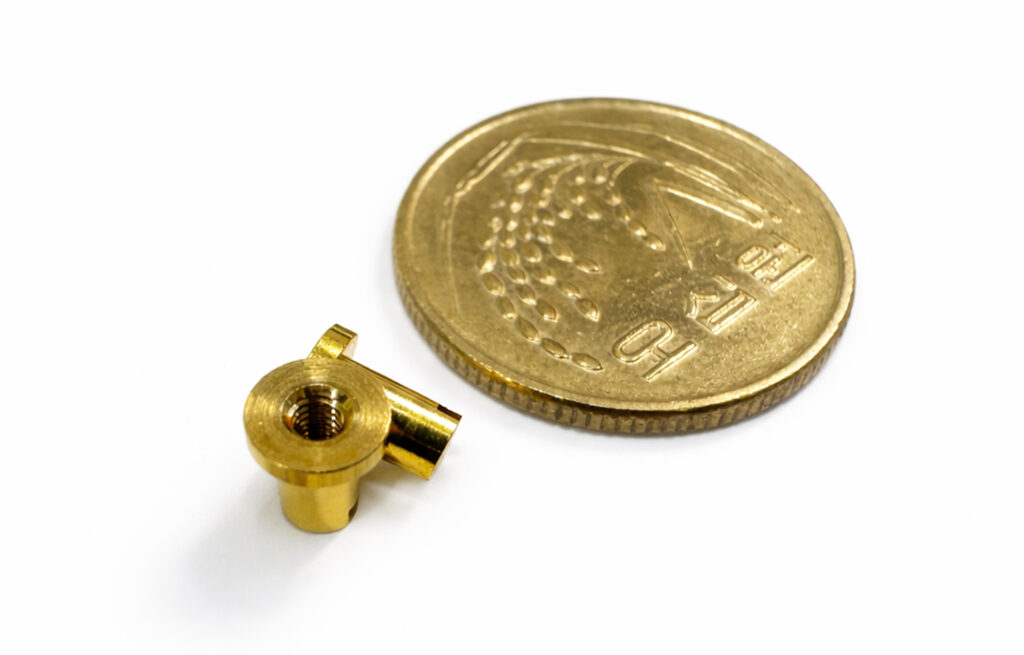
공구 런아웃과 홀 위치도
정밀 홀 가공에서 공구 런아웃은 작은 값처럼 보이지만 위치도와 표면 거칠기에 직접 영향을 줍니다. 드릴 중심이 회전축과 일치하지 않으면 진입 순간에 홀 중심이 밀리고, 절삭날 한쪽에 하중이 몰리며, 홀 입구가 커지거나 타원화될 수 있습니다. 긴 드릴이나 소경 드릴에서는 이 현상이 더 민감합니다.
위치도는 기계 좌표만으로 만들어지지 않습니다. 기준면 설정, 바이스 또는 지그의 변형, 소재의 잔류응력, 절삭 중 발생하는 추력, 공구 홀더 정밀도, 스핀들 상태가 모두 누적됩니다. 특히 여러 홀을 같은 패턴으로 가공하는 부품에서는 각 홀의 개별 직경보다 패턴 전체의 상대 위치가 조립 품질을 결정합니다.
센터드릴 또는 스폿드릴은 진입 안정성을 높이는 수단이지만, 모든 조건에서 같은 방식으로 쓰이지 않습니다. 얇은 소재, 경사면, 곡면, 주조면, 절삭성이 다른 합금에서는 스폿 깊이와 각도를 조정해야 하며, 후속 드릴의 선단각과 맞지 않으면 오히려 진입 흔들림을 만들 수 있습니다.
홀 위치도와 출구 버 관리
정밀 홀은 직경만 맞아서는 충분하지 않습니다. 진입 위치, 직각도, 원통도, 출구 버, 리머 여유, 나사 전 가공 치수, 클램핑 변형이 함께 맞아야 조립 기준면으로 기능합니다.
버 형성과 후가공 기준
드릴링에서 출구 버는 재료가 마지막 순간에 절단되지 않고 변형되며 밀려나오는 현상입니다. 연성이 큰 알루미늄, 스테인리스, 구리 계열에서는 버가 크게 생기기 쉽고, 고경도 재료에서는 작은 깨짐이나 입구 모서리 손상이 생길 수 있습니다. 버는 단순 외관 문제가 아니라 조립 간극, 체결면 밀착, 전기적 접촉, 세척 잔류물과 연결됩니다.
버 크기는 공구 마모, 이송, 절삭속도, 선단각, 웹 두께, 관통 직전의 지지 조건에 영향을 받습니다. 출구면을 지지하거나, step feed를 조정하거나, 관통 직전 이송을 낮추거나, 후면 백업재를 사용하는 방식이 검토될 수 있습니다. 그러나 무리한 저이송은 가공 시간을 늘리고 공구 마찰을 키워 표면 품질을 떨어뜨릴 수 있습니다.
리머 가공, 보링, 챔퍼링, 탭 가공은 드릴링 품질을 전제로 합니다. 리머 여유가 너무 작으면 전 가공 흔적을 지우지 못하고, 너무 크면 절삭 부하와 치수 변동이 커질 수 있습니다. 탭 전 홀은 나사산 충전율, 소재 연성, 탭 종류, 윤활 조건을 고려해 결정해야 합니다.
CNC 드릴링 정밀 홀 품질 변수 매트릭스
정밀 홀 품질은 직경, 위치, 축, 표면, 버, 후속 공정이 동시에 연결됩니다. 아래 기준은 드릴링 공정 설계와 검사 계획에서 함께 확인해야 하는 항목입니다.
| 관리 항목 | 품질 영향 | 취약 조건 | 검사 기준 | 보정 방향 |
|---|---|---|---|---|
| 위치도 | 핀 조립, 볼트 체결, 기준 패턴 정렬에 직접 영향을 줍니다. | 기준면 불안정, 클램핑 변형, 공구 런아웃 | CMM 위치도, 패턴 간 거리, 기준면 반복성 | 지그 강성, 스폿 조건, 가공 순서 조정 |
| 직각도 | 홀 축이 기울면 조립품의 삽입성과 면 밀착성이 낮아집니다. | 경사 진입면, 긴 공구, 낮은 홀더 강성 | 축 직각도, 입구·출구 동심, 게이지 삽입 | 파일럿 홀, 공구 길이, 클램핑 방향 보정 |
| 출구 버 | 체결면 간극, 세척성, 전기적 접촉, 외관 품질에 영향을 줍니다. | 연성 소재, 마모 공구, 관통 직전 지지 부족 | 버 높이, 모서리 손상, 디버링 후 치수 | 이송 조정, 백업 지지, 챔퍼 공정 추가 |
| 표면 거칠기 | 핀 삽입, 유체 통로, 피로 균열 시작점에 영향을 줍니다. | 칩 재절삭, 냉각 부족, 공구 마모 | Ra, Rz, 홀 벽면 스크래치, 칩 흔적 | 냉각, 칩 배출, 리머 또는 보링 적용 |
| 후속 공정 여유 | 리밍, 탭, 보링의 치수 안정성을 결정합니다. | 여유 과소, 여유 과다, 드릴 흔들림 | 전 가공 치수, 탭 산 형상, 리머 절삭량 | 공정 순서, 공구 규격, 절삭 조건 재설정 |
기능면으로서의 홀 품질
정밀 홀은 단품 검사에서 합격해도 조립 단계에서 문제가 나타날 수 있습니다. 볼트가 들어가는 홀은 체결력과 위치 자유도를 동시에 담당하고, 핀 홀은 위치를 고정하며, 유체 홀은 누설과 압력 손실을 좌우합니다. 같은 직경의 홀이라도 기능에 따라 필요한 공차와 표면 기준이 다릅니다.
홀 주변의 모서리 처리는 기능면 품질의 일부입니다. 챔퍼가 과하면 체결 접촉면이 줄고, 부족하면 삽입성이 떨어지며, 과도한 디버링은 위치 기준을 흐릴 수 있습니다. 깊은 카운터보어와 탭 홀은 공구 접근 방향과 칩 배출을 고려해야 하며, 블라인드 홀에서는 바닥 잔류 칩과 유효 나사 깊이가 중요합니다.
좋은 드릴링 공정은 빠르게 구멍을 만드는 것이 아니라 다음 공정과 조립에서 흔들리지 않는 기준을 만드는 공정입니다. 위치도, 직각도, 버, 표면, 후속 가공 여유가 같은 방향으로 관리될 때 홀은 단순 형상이 아니라 신뢰성 있는 기능면이 됩니다.
English Technical Note
CNC Drilling and Precision Hole Machining
CNC drilling creates functional hole features used for fastening, locating, fluid transfer, tapping, reaming, and assembly alignment. A precision hole should be evaluated by position, perpendicularity, cylindricity, surface integrity, burr condition, and its relationship with the datum structure.
Tool runout, drill point geometry, feed rate, cutting speed, coolant, chip evacuation, fixture rigidity, and work material strongly influence hole quality. In deep holes, straightness and chip control become more critical, while in through holes, exit burr and edge condition often define assembly performance.
Burr Control and Secondary Operations
Exit burrs are formed when the remaining material at the hole exit plastically deforms before final separation. Burr height depends on work material ductility, tool wear, feed, drill geometry, support condition, and breakthrough behavior.
Reaming, boring, chamfering, and tapping all depend on the quality of the drilled pilot hole. Incorrect allowance can cause unstable cutting, poor thread quality, oversized holes, rough wall surfaces, or reduced positional accuracy.
Functional Hole Quality
Hole inspection should not stop at diameter measurement. Position tolerance, axis alignment, entry and exit condition, edge break, surface finish, and assembly fit should be connected to the function of the hole. A high-quality drilled hole is a controlled datum and assembly interface.
추가 정보
CNC 드릴링 정밀 홀 가공 요약
CNC 드릴링 정밀 홀 가공은 직경뿐 아니라 위치도, 직각도, 원통도, 출구 버, 리머 여유, 탭 전 치수, 조립 기준을 함께 관리해야 하는 정밀가공 공정입니다.
핵심 포인트
- 홀 위치도는 기준면, 클램핑, 공구 런아웃이 누적되어 결정됩니다.
- 출구 버는 체결면 밀착과 후처리 품질에 직접 영향을 줍니다.
- 리머와 탭 가공은 드릴링 기준 품질이 안정되어야 반복성이 좋아집니다.
- 깊은 홀은 칩 배출과 공구 발열 관리가 품질의 핵심입니다.
- 정밀 홀은 단순 직경이 아니라 조립 기능면으로 평가해야 합니다.
FAQ
CNC 드릴링에서 위치도가 중요한 이유는 무엇입니까?
홀은 핀, 볼트, 베어링, 탭의 기준이 되기 때문입니다. 직경이 맞아도 위치가 틀어지면 조립 간섭과 기능 불량이 발생할 수 있습니다.
드릴링 출구 버는 왜 관리해야 합니까?
버는 체결면 간극, 세척 잔류물, 전기적 접촉, 외관 품질에 영향을 줍니다. 후속 디버링 기준까지 포함해 관리해야 합니다.
리머 가공 전 드릴 치수는 어떻게 봐야 합니까?
리머 절삭 여유가 너무 작으면 전 가공 흔적이 남고, 너무 크면 절삭 부하가 커집니다. 소재와 홀 깊이, 요구 표면 품질에 맞춰 설정해야 합니다.
정밀 홀 검사는 직경만 측정하면 충분합니까?
충분하지 않습니다. 위치도, 직각도, 원통도, 입구·출구 상태, 표면 거칠기, 버 상태를 기능에 맞춰 함께 확인해야 합니다.
내부 링크
CNC 드릴링 정밀 홀 가공은 cnc정밀가공부품과 직접 연결됩니다. 후속 조립 기준은 구조연결용 부품, 관련 기술 글은 인사이트에서 함께 확인할 수 있습니다.
관련 키워드
CNC 드릴링정밀 홀 가공홀가공위치도출구 버리머 가공CNC drillingprecision hole machininghole positionexit burrreaming allowancecylindricity